
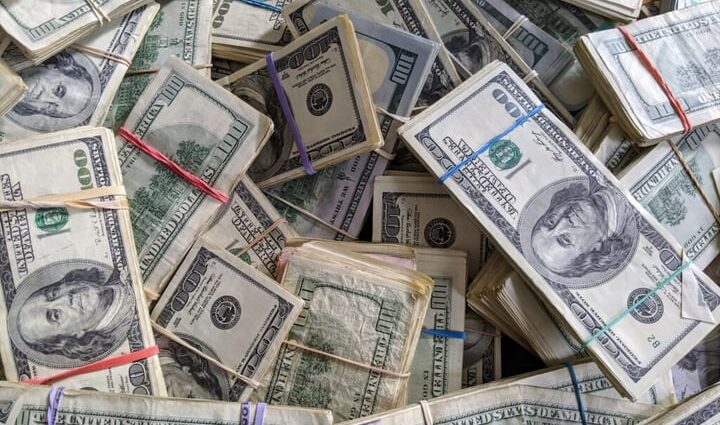
The U.S. dollar has dropped 10% since the beginning of President Donald Trump’s second term.
While a double-digit decline in a major currency often sparks fears of a global financial shift, a new report from the Brookings Institution suggests the dollar isn’t losing its “reserve currency” crown just yet.
According to the post by Senior Fellow Robin Brooks, the drop has been driven by “short, sharp bursts” of volatility linked to specific policy events:
- April 2025: A chaotic rollout of reciprocal tariffs.
- January 2026: Escalated rhetoric regarding Greenland during the Davos summit.
Is the Dollar Losing Its Global Status?
Despite the 10% slide, the data shows that central banks around the world — like those in China and Japan — are not dumping their dollars.
The International Monetary Fund‘s Currency Composition of Official Foreign Exchange Reserves data indicates that while the dollar is weaker, there are no viable alternatives.
The euro has failed to gain ground, and the Chinese yuan has seen its share of global reserves decrease during this period.
The report concludes that the 10% drop is likely “benign,” meaning it’s driven by standard economic expectations and interest rates rather than a fundamental collapse of the U.S. financial system.
What This Means for Your Portfolio
A weaker dollar creates both winners and losers in the stock market:
- Winners: U.S. Multinationals
Companies …





This post was originally published here