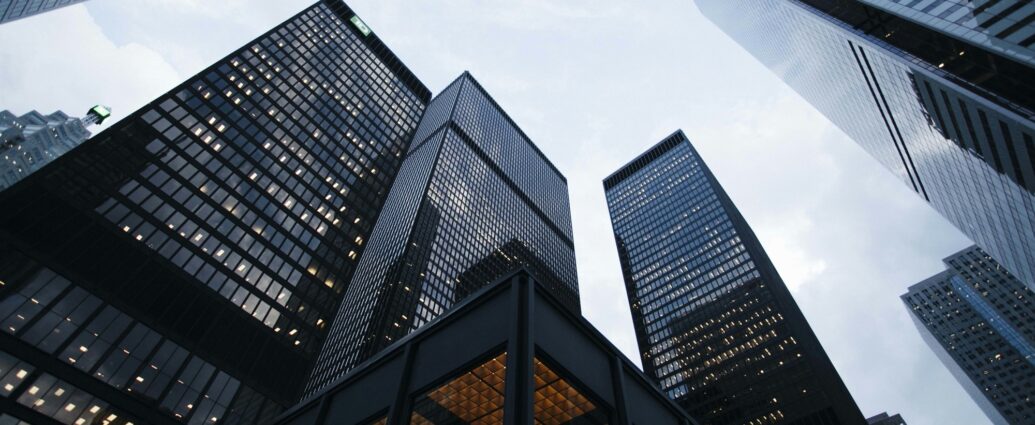
Office vacancies remain elevated as hybrid work continues to reshape commercial real estate demand.
The U.S. commercial real estate sector continues to face sustained pressure, as persistently high office vacancy rates underscore the long-term impact of shifting workplace trends and tighter financial conditions.
New data released this week by major real estate services firms, including CBRE and JLL, indicate that office demand remains subdued across major metropolitan areas, with vacancy rates holding near multi-year highs. The استمرار of hybrid and remote work arrangements has fundamentally altered corporate space requirements, reducing demand for traditional office footprints.
Landlords are responding by offering increasingly aggressive concessions, including rent discounts, flexible lease terms, and tenant improvement incentives, in an effort to attract occupants. Despite these measures, leasing activity has remained below pre-pandemic levels in many markets.
At the same time, rising interest rates are creating additional challenges for property owners. Higher borrowing costs have made refinancing more expensive, particularly for properties with declining occupancy rates. This dynamic is placing pressure on balance sheets and raising concerns among lenders.
Regional banks, which hold a significant share of commercial real estate loans, remain exposed to these risks. Regulators have been monitoring the sector closely, particularly in light of broader financial stability concerns tied to concentrated exposure in certain portfolios.
“The office sector is undergoing a structural reset,” analysts at JLL said in a recent report, noting that demand patterns are unlikely to fully revert to pre-pandemic norms.
While the office segment faces ongoing headwinds, other areas of commercial real estate have shown greater resilience. Industrial properties, driven by e-commerce demand, and multifamily housing have remained relatively strong, though they too are beginning to feel the effects of higher financing costs.
Investors are increasingly selective, focusing on high-quality assets in prime locations, often referred to as “flight-to-quality” dynamics within the sector. Older and less well-located buildings have been disproportionately affected, with some facing potential repurposing or redevelopment.
Looking ahead, market participants expect a prolonged adjustment period. The pace of recovery will likely depend on broader economic conditions, interest rate trends, and the evolution of workplace practices.
For now, the commercial real estate market remains in transition, as structural changes continue to reshape one of the largest asset classes in the U.S. economy.
— JBizNews Desk