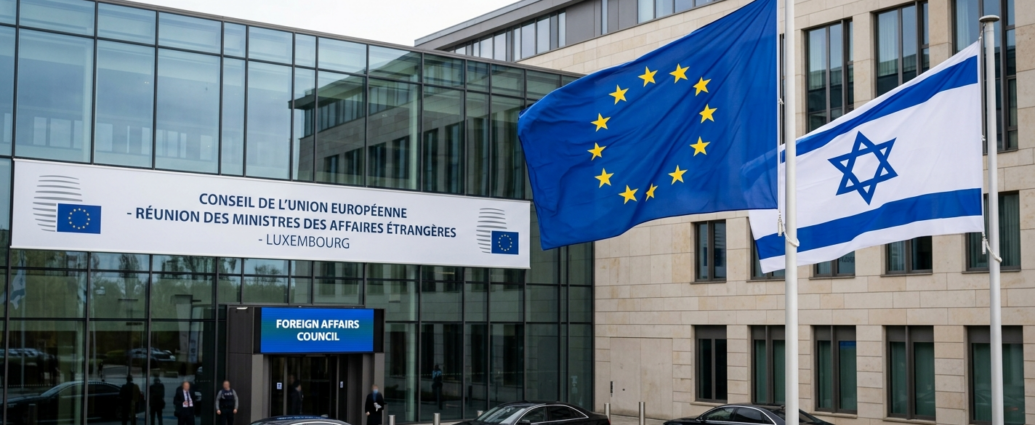
LUXEMBOURG — A coalition of European Union member states is moving to reintroduce a contentious proposal for sanctions against Israel at a high-level foreign ministers’ meeting in Luxembourg next week. The diplomatic maneuver follows a significant setback orchestrated by Hungarian Prime Minister Viktor Orban, whose government recently utilized its veto power to stall a unified European response to the ongoing conflict in Gaza and settlement expansion in the West Bank.
The upcoming summit represents a critical test of the EU’s ability to project a cohesive foreign policy. While the bloc remains Israel’s largest trading partner, internal fractures have deepened as member states debate the balance between strategic security interests and humanitarian obligations.
The “Orban Blockade” and Legal Workarounds
The push for restrictive measures was temporarily derailed earlier this month when Hungary, Israel’s most consistent ally within the 27-nation bloc, blocked a joint statement and proposed penalties. Under the EU’s current framework, significant foreign policy shifts generally require unanimous consent—a rule that Orban has frequently used to shield Jerusalem from Brussels’ ire.
However, diplomatic sources indicate that a “coalition of the willing,” led by Ireland, Spain, and Belgium, is no longer content with the stalemate. These nations are reportedly exploring legal avenues to bypass the unanimity requirement, potentially through “targeted measures” that focus on specific individuals or entities rather than broad state-level sanctions.
“The status quo is increasingly untenable for several capitals,” said a senior EU diplomat familiar with the preparations for the Luxembourg summit. “The Orban veto may have slowed the process, but it has also galvanized those who believe the EU’s credibility is at risk if it remains silent.”
Economic Stakes and the Association Agreement
For the business community, the most significant risk involves potential changes to the EU-Israel Association Agreement. This legal pillar governs the preferential trade terms that have allowed Israeli tech and agricultural sectors to flourish within the European market.
While a full suspension of the agreement remains unlikely, several member states have called for a “human rights review” of the treaty. Any formal shift in this direction could introduce volatility for investors and disrupt supply chains that have become integral to both economies.
A Fragmented Continent
The debate highlights a sharp geographic and ideological divide within Europe:
- The Hardliners: Ireland, Spain, and Slovenia continue to push for immediate sanctions, citing international law and the deteriorating humanitarian situation in Gaza.
- The Mediators: Germany, Austria, and the Czech Republic remain wary of alienating a key security partner, emphasizing Israel’s right to self-defense against regional threats.
- The Outlier: Hungary continues to view any talk of sanctions as a “red line,” arguing that such measures only serve to embolden extremist elements in the Middle East.
The View from Jerusalem
The Israeli Ministry of Foreign Affairs has remained firm, characterizing the renewed talk of sanctions as a distraction from the broader regional threat posed by Iran and its proxies. In a brief statement, Israeli officials suggested that European pressure would not alter their security mandates, emphasizing that “sanctions are not the language of partners.”
Outlook for Luxembourg
As High Representative Josep Borrell prepares to chair next week’s session, the focus will be on whether the bloc can find a “middle way”—likely a list of targeted sanctions against specific individuals involved in West Bank violence—that even the most hesitant states can support.
JbizNews Desk