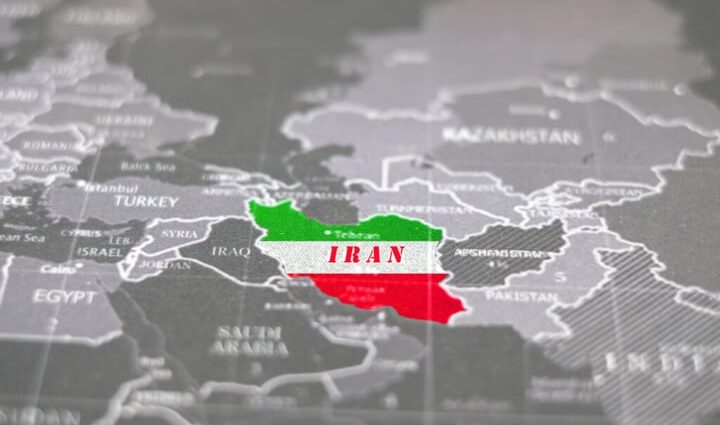
The Iran war has disrupted multiple sectors, with aviation and energy industries among the hardest hit as regional tensions escalate.
South Korea Introduces Driving Bans
South Korea remains one of the regions most severely affected by the fuel shortages as the country relies on imports for over 90% of its energy needs, with 70% of its crude oil shipments arriving from the Gulf region. However, the country’s oil reserves risk running out as the situation in the Middle East worsens, the Telegraph reported on Monday.
The report also said that South Korean government employees had been directed to stop driving one weekday out of five as petrol reserves dry up and fuel prices at the pump surge. The government has set aside 26 trillion South Korean won (nearly $17 billion) to purchase fuel as soon as the strait opens up.
The report also says that residents have been urged to also take steps to slow down energy consumption, including charging EVs and phones during the day, reducing time spent in the shower, using vacuum cleaners and washing machines on the weekends only, cycling more, etc.
The country will also focus on increasing Nuclear energy outputs and is halting exports of jet fuel to prioritize domestic airlines.
Europe’s Jet Fuel Shortages
Speaking of airlines, European countries have been grappling with shortages of jet fuel as the Strait of Hormuz remains shut, according to a report by OilPrice.com on Sunday, citing the shutdown of the refineries in the region due to emissions-related rules and declining demand, which …





This post was originally published here