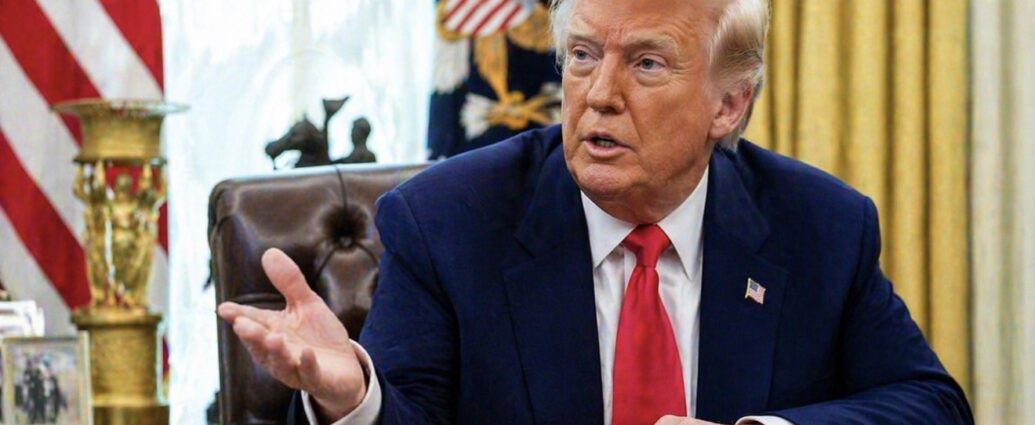
President Donald Trump signaled a de-escalation in tensions between the U.S. government and artificial intelligence firm Anthropic, saying Washington expects to “get along very well” with the company following a recent dispute involving the Pentagon.
Speaking to reporters, Trump downplayed the friction, framing it as part of broader growing pains as federal agencies and private AI developers navigate the rapidly evolving national security landscape. “We’ll work it out,” Trump said, adding that cooperation with leading AI firms remains a priority for maintaining U.S. technological leadership.
The comments follow reports of a clash between Anthropic and the Department of Defense over the scope and structure of potential AI-related engagements. While details of the disagreement remain limited, the episode underscores increasing scrutiny around how advanced AI systems are deployed in sensitive government and defense applications.
Anthropic, backed by major investors including Amazon and Google, has positioned itself as a leader in AI safety and alignment, often emphasizing cautious deployment frameworks. That stance has at times created friction with agencies seeking faster integration of AI capabilities into defense and intelligence operations.
“The government wants speed and capability, while companies like Anthropic are focused on safety and controlled deployment,” said Dan Ives, Managing Director and Senior Equity Analyst at Wedbush Securities, noting the tension reflects a broader industry-wide balancing act. “This is not unique to one company—it’s a structural dynamic across the AI sector.”
The Pentagon has been accelerating efforts to incorporate artificial intelligence into national security strategy, with initiatives spanning data analysis, cybersecurity, and autonomous systems. Officials have repeatedly emphasized the importance of partnering with private-sector innovators to stay ahead of geopolitical rivals, particularly China.
At the same time, policymakers are increasingly attentive to the risks associated with advanced AI, including misuse, bias, and unintended consequences. Anthropic’s more cautious posture aligns with those concerns, but can complicate negotiations around deployment timelines and operational control.
For investors, the episode highlights the growing intersection between Big Tech, AI startups, and government policy. Companies operating in the AI space are not only competing commercially but also navigating complex regulatory and national security considerations that could shape long-term growth.
“Government relationships will be a defining factor for AI companies,” said Gene Munster, Managing Partner at Deepwater Asset Management. “The winners will be those that can align innovation with policy expectations without slowing down too much.”
Despite the recent tensions, Trump’s remarks suggest both sides are moving toward a more cooperative framework. The administration has made clear that maintaining U.S. dominance in artificial intelligence is a strategic priority, increasing the likelihood of continued collaboration—even amid disagreements.
Looking ahead, the relationship between Washington and leading AI developers like Anthropic will remain central to how the technology is governed, deployed, and monetized. The outcome will not only influence national security policy but also define the competitive landscape of one of the most critical industries in the global economy.
JBizNews Desk