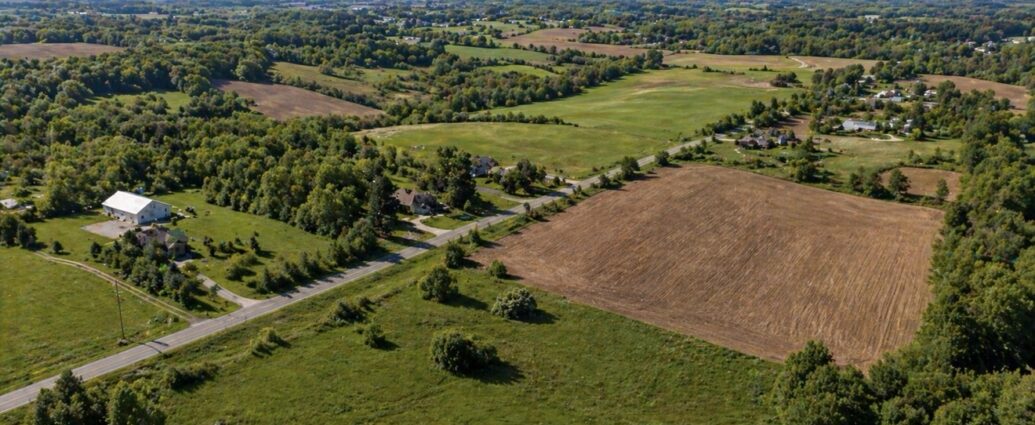
U.S. land prices remain under pressure from a yearslong shortage of available parcels, a trend that real-estate economists say increasingly mirrors the housing market and carries implications for builders, rural owners and investors. In a report released April 21, Realtor.com said the median listing price for land reached $62,365 per acre in the first quarter of 2026, and senior economist Joel Berner said in the company’s analysis that “the pandemic didn’t only drain home inventory, it drained land inventory,” a statement published by Realtor.com as part of its first national land-listing study.
The supply squeeze matters because developable lots sit at the front end of the housing pipeline, and recent official data show builders still face a structurally tight market for new homes. U.S. Census Bureau and Department of Housing and Urban Development data released in recent months showed housing starts and permits continuing at levels that economists closely track for signs of future supply, while National Association of Home Builders Chief Economist Robert Dietz said in an April industry update that “the lack of buildable lots remains a significant constraint” for many builders, according to the trade group.
The land market’s rise also fits a broader pattern in home values since 2020, even though financing costs have climbed sharply. Federal Reserve Chair Jerome Powell said in recent public remarks that housing services inflation has “been quite persistent,” according to the central bank, while National Association of Realtors Chief Economist Lawrence Yun said in the group’s latest market commentary that limited inventory continues to support prices despite affordability pressure. Those dynamics help explain why raw land, especially parcels near growth corridors, has held value even as mortgage rates remain far above pandemic lows.
Publicly available market trackers point to the same imbalance between demand and supply. In its April report, Realtor.com said land inventory in the first quarter stood at 426,986 listings, down 23.6% from the first quarter of 2019, and Joel Berner said developed parcels “never return to the market,” underscoring the one-way nature of land conversion. Separately, analysts at Redfin and Zillow have said in recent housing-market updates that constrained inventory remains one of the main forces keeping broader real-estate prices elevated, even as transaction volumes stay subdued.
For homebuilders, the issue reaches beyond headline land prices to margins, project timing and where companies choose to build. In earnings calls this year, executives at major builders including D.R. Horton and Lennar have described lot supply and land strategy as central to profitability, with Lennar Executive Chairman Stuart Miller saying on a recent earnings call, according to the company transcript, that the builder continues to emphasize a “land-light” model to reduce risk. That approach reflects an industry effort to avoid tying up too much capital in expensive land while still securing enough lots to feed future communities.
Investors and rural landowners also have reasons to watch the market closely, particularly as farmland, exurban development tracts and recreational land attract different buyer pools. The U.S. Department of Agriculture said in its latest Land Values summary that farm real-estate values, including land and buildings, continued to rise nationally, and the agency noted that cropland and pasture values increased again in 2025. Those gains do not map perfectly onto residential land listings, but they reinforce a broader message from official data: land as an asset class has remained resilient across several categories.
Higher borrowing costs, however, could still limit how far prices run from here. Economists at Fannie Mae said in recent housing outlooks that elevated mortgage rates and affordability strains should keep home sales relatively muted, and Mortgage Bankers Association Chief Economist Mike Fratantoni said in the group’s latest forecast that financing conditions continue to weigh on real-estate activity. If builders slow purchases or consumers pull back from custom-home projects, some local land markets could cool even if national inventory stays tight.
Geography also matters more in land than in existing-home sales, because zoning, water access, infrastructure and entitlement risk can sharply alter value from one county to the next. National Association of Home Builders has repeatedly said in its policy statements that regulatory costs and lot shortages add materially to the final price of a new home, and Robert Dietz said the industry needs more “attainable, buildable lots” to improve affordability, according to the association. In fast-growing Sun Belt metros, where population gains continue to outpace housing supply, that shortage can become especially acute.
What comes next depends on whether more landowners decide to sell, whether local governments speed approvals, and whether builders regain confidence to replenish lot pipelines. Realtor.com framed its latest findings as evidence that the land market has not normalized after the pandemic shock, and broader signals from NAHB, USDA and federal housing data point in the same direction: scarce buildable land could remain a bottleneck for U.S. housing supply well into 2026. For executives across homebuilding, lending and real-estate investment, that means the cost and availability of land may stay one of the clearest indicators of where housing growth can happen next.
JBizNews Desk