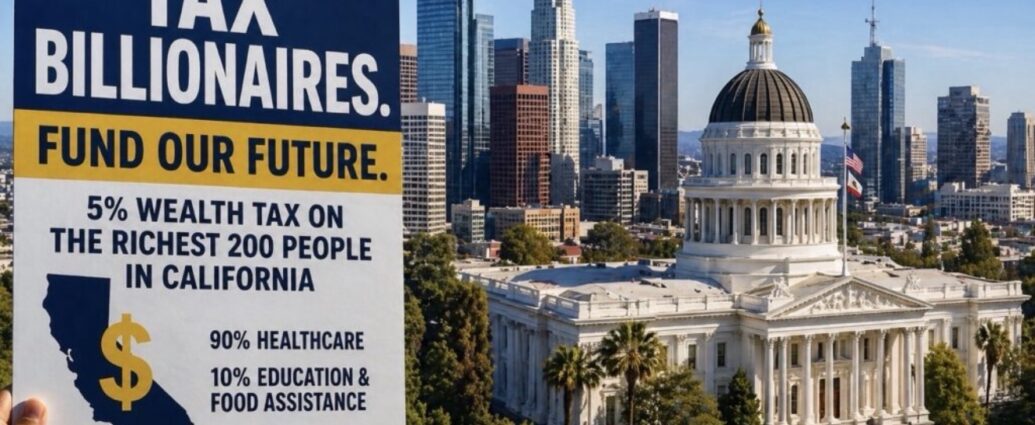
LOS ANGELES — April 27, 2026 — A high-stakes ballot battle is taking shape in the nation’s largest state economy after a union-backed initiative to impose a one-time 5% wealth tax on California’s billionaires cleared the required signature threshold, setting up a closely watched and potentially precedent-setting vote this November.
Organizers behind the measure, led by Service Employees International Union–United Healthcare Workers West (SEIU-UHW), announced they have gathered more than 1.5 million signatures, far exceeding the roughly 875,000 required to qualify for the ballot. County election officials must now verify the signatures before forwarding certification to the California Secretary of State, a process expected to conclude ahead of the June 24 filing deadline.
“This milestone reflects the urgency Californians feel,” said Dave Regan, President of SEIU-UHW, who spearheaded the initiative. “We’re confident this will qualify — and once it does, the public debate will shift rapidly.”
The proposal targets individuals who were California residents as of January 1, 2026, with a net worth of at least $1 billion by year-end. Backers estimate roughly 200 individuals would be affected, collectively controlling close to $2 trillion in wealth. Under the plan, 90% of revenue would be directed toward healthcare programs, with the remaining 10% allocated to education and food assistance.
Supporters argue the measure is necessary to offset funding gaps tied to federal policy changes. The initiative was designed in response to healthcare funding pressures following provisions in the tax-and-spending legislation signed by President Donald Trump, which union leaders warn could strain Medi-Cal and hospital systems statewide.
“This is about protecting healthcare access for millions,” said Suzanne Jimenez, spokeswoman for the Billionaire Tax Now coalition, framing the campaign as a grassroots push against concentrated wealth.
But opposition has been swift and well-funded. Governor Gavin Newsom has publicly opposed the measure, warning it risks accelerating an exodus of high-net-worth individuals and undermining the state’s tax base. Several prominent figures have already relocated or signaled intent to do so, including Larry Page, Peter Thiel, David Sacks, and Larry Ellison.
In a letter to the governor, Attorney Alex Spiro, representing high-profile clients including Elon Musk, warned the proposal could trigger “a permanent relocation of capital and innovation,” arguing the measure would fundamentally alter California’s business climate.
Not all industry leaders are pushing back. Nvidia CEO Jensen Huang offered a contrasting view, telling Bloomberg Television: “We chose to live in Silicon Valley, and whatever taxes they would like to apply, so be it.” With an estimated $167 billion net worth, Huang could face an $8 billion tax liability under the proposal.
Two major opposition groups — Stop the Squeeze and Golden State Promise — have already mobilized, with Golden State Promise reporting more than $10 million in early funding, including backing from Chris Larsen and Ripple Labs. Competing campaigns are actively funding counter-initiatives and paying signature gatherers to challenge the proposal’s momentum.
National political figures have also entered the fray. Senator Bernie Sanders endorsed the initiative at its February launch, calling it essential to prevent millions from losing healthcare coverage, while Representative Ro Khanna has advanced similar legislation at the federal level targeting billionaire wealth.
The fiscal projections remain contested. Analysts from California’s Legislative Analyst’s Office and Department of Finance estimate the tax could generate tens of billions in revenue, but warn of potential long-term losses if top taxpayers leave the state — a shift that could erode income tax receipts by hundreds of millions annually.
Legal challenges are widely expected regardless of the election outcome. Constitutional experts have flagged potential vulnerabilities, including challenges under the Dormant Commerce Clause, due process concerns, and equal protection arguments, particularly given the narrow group of individuals targeted by the measure.
If certified, the initiative will appear on the November 3, 2026 ballot, requiring only a simple majority to pass — a threshold that could reshape how wealth is taxed not just in California, but across the United States.
The stakes are enormous: a test of political will, economic policy, and the future of wealth taxation in America’s most influential state.
JBizNews Desk