By Staff, April 27, 2026
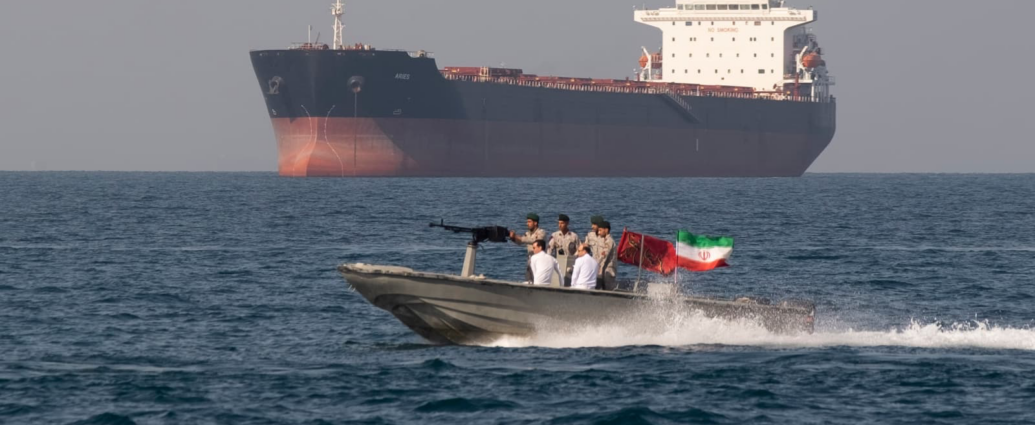
New York — Oil prices extended gains on Monday, with Brent crude hovering above $106 per barrel, as stalled U.S.-Iran peace negotiations and continued restrictions in the Strait of Hormuz kept supply risks elevated and reminded markets of the waterway’s outsized role in global energy flows.
Brent futures rose as much as 2% intraday before paring some gains on reports that Iran had floated a new proposal to reopen the strait in exchange for the lifting of U.S. port blockades, with nuclear talks postponed. West Texas Intermediate traded near $96. The fifth straight day of advances reflects the market’s pricing of persistent bottlenecks that have already disrupted roughly one-fifth of global oil and gas shipments.
Goldman Sachs commodity analysts, who have repeatedly adjusted forecasts amid the crisis, flagged that a prolonged closure of the Strait of Hormuz could push Brent above $100 per barrel on average for the remainder of 2026. “We continue to see risks to our price forecast as skewed to the upside,” the Goldman Sachs team wrote in a recent note, citing the potential for additional production losses if tanker traffic remains constrained.
The impasse stems from the ongoing Iran conflict that began earlier this year. U.S. naval actions and Iranian countermeasures have tightened supply, with limited tanker movements reported through the critical chokepoint. Goldman Sachs analysts noted that even a one-month delay in reopening would keep prices elevated through the second half of the year.
For everyday consumers, the price surge is already translating into higher gasoline costs at the pump — now averaging around $4.10 per gallon in many U.S. markets — feeding into broader inflation pressures on groceries, transportation, and household budgets. Goldman Sachs economists have warned that sustained energy shocks could complicate the Federal Reserve’s path as it prepares for its policy meeting later this week.
Helima Croft, head of global commodity strategy at RBC Capital Markets, echoed the caution. “Geopolitical risk premiums are back in full force, and the Strait of Hormuz remains the single biggest choke point in global energy markets,” Croft said. “Any de-escalation would trigger a sharp pullback, but the baseline remains volatile.”
Stocks opened mixed, with the S&P 500 little changed as chip and AI-related shares provided some offset to energy-sector caution. Traders are balancing the oil headline risk against optimism around this week’s “Super Bowl” earnings from Meta Platforms, Alphabet, Amazon, Microsoft, and Apple.
Goldman Sachs analysts continue to see upside skew in oil even after trimming near-term forecasts following earlier ceasefire signals. In their adverse scenario, persistent Middle East disruptions could drive Brent averages well above $100 through year-end.
The developments come as central banks including the Fed, ECB, BOE, and BOJ deliver rate decisions this week. Higher-for-longer oil prices could reinforce sticky inflation readings, potentially delaying rate cuts and weighing on consumer spending.
Lian Jye Su of Omdia, while focused primarily on tech, noted the spillover: “Energy shocks from the Middle East are amplifying cost pressures across global supply chains, including those critical to AI hardware.”
Markets remain highly sensitive to any breakthrough in U.S.-Iran talks, mediated in part through third parties. For now, the combination of stalled diplomacy and physical supply constraints keeps the oil complex on edge, with Goldman Sachs and peers maintaining a watchful eye on tanker traffic data as the key near-term indicator.
JBizNews -Desk