By JBizNews Desk — April 29, 2026
Mixed Signals for Everyday Households
U.S. consumer confidence unexpectedly rose in April to a four-month high of 92.8, according to the Conference Board, even as families continue to grapple with sharply higher gasoline prices triggered by the ongoing Middle East conflict. While stock market gains and a slightly better view of the job market provided a modest lift, the pain at the pump remains a major drag on household budgets.
Heather Long, chief economist at Navy Federal Credit Union, said the uptick offers some relief but doesn’t erase underlying worries. “Higher gas prices are forcing families to make tough trade-offs every week — and that pressure is not going away anytime soon.”
What’s Behind the Modest Improvement
• Improved perceptions of the labor market, with the differential between “jobs plentiful” and “jobs hard to get” rising
• A brief stock market rally following ceasefire hopes
• Slightly lower short-term inflation expectations (median 12-month outlook eased to 5.1%)
However, comments about prices, oil, gas, and the war surged in the survey, showing persistent anxiety.
Diane Swonk, chief economist at KPMG, noted: “This is a classic tale of two economies. Wall Street feels better, but Main Street families filling up their tanks are still feeling the squeeze.”
Oliver Allen, senior U.S. economist at Pantheon Macroeconomics, pointed out that the national average gas price has climbed above $4.18–$4.22 per gallon in many areas — more than a dollar higher than before recent tensions escalated. “That extra $200–$300 a month per household is real money that isn’t going to retail stores, restaurants, or vacations.”
Key Warning Signs for Retail and Small Businesses
• Discretionary spending (apparel, travel, dining out) starting to soften
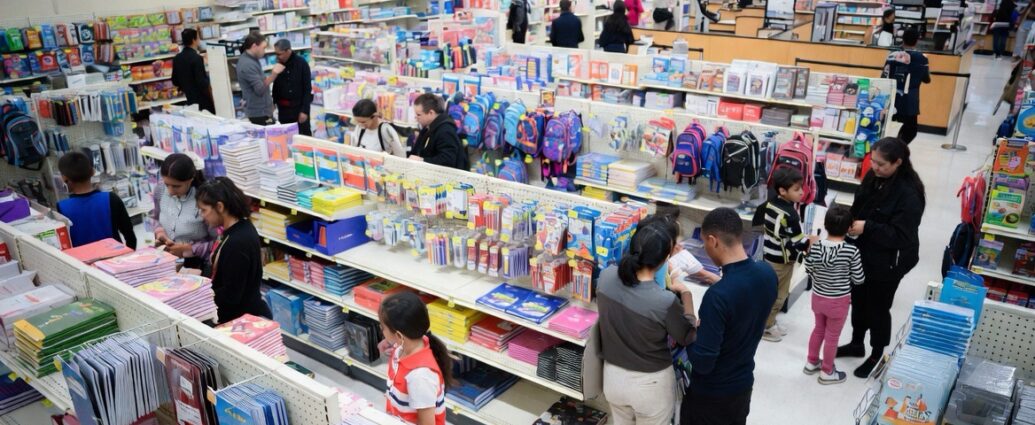
• Back-to-school and summer shopping seasons at risk
• Small business owners reporting slower foot traffic and cautious customers
Nicole Bachaud, economist at ZipRecruiter, added that seasonal hiring in retail and tourism could be weaker than usual if families keep tightening belts.
Gina Bolvin, president of Bolvin Wealth Management Group, is hearing from clients that many households are delaying big purchases and hunting aggressively for deals. “The confidence number looks better on paper, but the reality at the gas pump and grocery store tells a different story.”
Broader Economic Implications
The Federal Reserve is currently meeting and widely expected to hold interest rates steady, with higher energy costs making rate cuts less likely in the near term. Small businesses, already facing higher insurance, supply chain, and tariff-related costs, are passing some expenses along or absorbing them — further pressuring margins.
Outlook
While the modest rise in confidence is a positive sign, economists warn it could prove temporary if gasoline prices remain elevated through the summer. For millions of American families, the difference between “feeling okay” and real financial strain still comes down to what they pay at the pump each week.
Any easing of Middle East tensions could quickly improve the picture — but until then, everyday consumers and the businesses that serve them remain on edge.
JBizNews -Desk