By JBizNews Desk — April 30, 2026
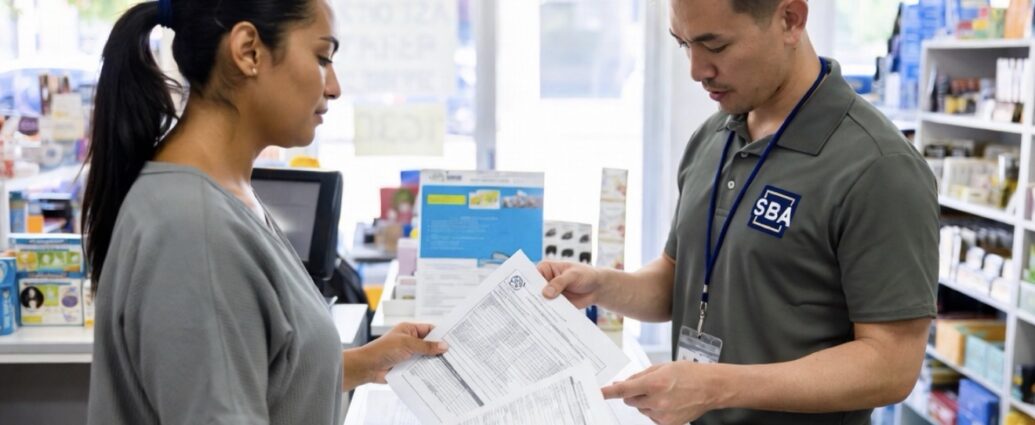
The U.S. Small Business Administration today launched a new $12 billion low-interest loan initiative specifically tailored for small retailers struggling with soaring insurance premiums and persistent labor costs. The program, announced via official SBA channels, offers flexible financing at rates as low as 4 percent with repayment terms designed to provide immediate breathing room for independent stores, boutiques, and neighborhood retailers already navigating thin margins amid high gas prices and cautious consumer spending.
This targeted relief comes as small retailers across the country report insurance costs up sharply due to rising claims and reinsurance pressures, while labor expenses remain elevated even as hiring has cooled. By directing capital straight to Main Street shops, the SBA aims to prevent further store closures and support the very businesses that anchor local communities and drive everyday consumer activity.
How the Program Works for Small Retailers
• Loans up to $2 million per business with interest rates starting at 4 percent and terms extending to 10 years, focused on covering insurance deductibles, premium payments, and workforce-related costs such as training or retention bonuses.
• Streamlined application process through participating lenders with expedited approvals for retailers demonstrating need tied to recent cost spikes.
• Funds can be used for working capital, equipment upgrades, or hiring incentives, with no collateral required for smaller amounts to reduce barriers for family-owned operations.
Economists described the rollout as a timely intervention for a sector under mounting pressure, with Diane Swonk, chief economist at KPMG, noting that skyrocketing insurance and labor costs have become existential threats for many small retailers already facing softer demand from high gas prices and budget-conscious families; Heather Long, chief economist at Navy Federal Credit Union, pointed out the ripple effects for Main Street, saying these loans could help stabilize local employment and keep neighborhood stores open at a time when cautious consumer spending is weighing on discretionary retail; Oliver Allen, senior U.S. economist at Pantheon Macroeconomics, emphasized that while the program will not solve every challenge, it removes a key financial bottleneck and aligns with broader trends of supporting small businesses to maintain economic resilience beyond large chains; Nicole Bachaud, economist at ZipRecruiter, added that easier access to capital for labor needs could encourage more selective hiring and training investments in retail communities; and Gina Bolvin, president of Bolvin Wealth Management Group, advised small-retailer clients to review eligibility closely, saying early adopters may gain a meaningful edge on costs but should pair the financing with careful cash-flow planning to avoid over-reliance on any single program.
Small retailers are already responding positively in preliminary feedback shared with the SBA. Independent grocers, apparel boutiques, and hardware stores in high-cost regions report that the low-interest capital will allow them to maintain staffing levels and absorb insurance hikes without passing full costs to customers — a critical factor as households continue to prioritize essentials over non-essential shopping.
Outlook
The SBA’s $12 billion low-interest loan program marks a direct effort to shore up the backbone of American retail at a moment when small businesses are feeling the cumulative strain of today’s economic environment. For everyday operators and the communities they serve, the initiative offers practical relief that could help sustain jobs, preserve local shopping options, and ease some of the cost pressures that have defined much of the day’s business coverage.
The coming weeks will reveal how quickly funds are deployed and whether the program delivers the intended stability for small retailers. For business enthusiasts and Main Street owners, this development underscores the importance of proactive financing strategies in a high-cost landscape. Tomorrow’s updates on retail earnings and small-business sentiment will provide the next read on how effectively this support translates into real-world resilience.
JBizNews Desk
© JBizNews.com. All rights reserved. This article is original reporting by JBizNews Desk. Unauthorized reproduction or redistribution is strictly prohibited