By Elena Vargas
JBizNews Senior Technology Correspondent
Oakland, CA — April 29, 2026
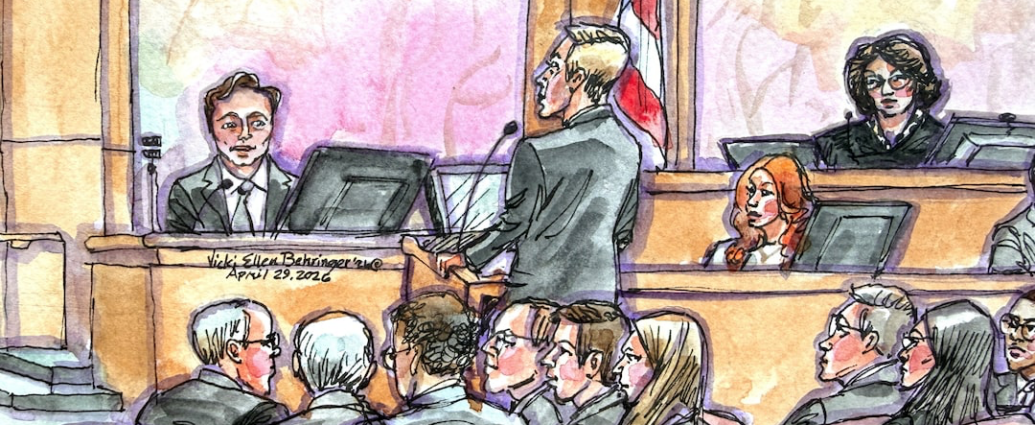
Elon Musk told a federal court Wednesday that he regrets providing nearly $38 million in early “free funding” to OpenAI, calling himself a “fool” for helping launch what has become one of the world’s most valuable private companies.
Testifying for a second day in his breach-of-contract lawsuit against OpenAI, Musk said he contributed the money under the belief that the organization would remain a nonprofit focused on developing artificial general intelligence (AGI) for the benefit of humanity rather than generating massive profits.
“I was a fool who provided them free funding to create a start-up,” Musk stated from the witness stand. “I gave them $38 million of essentially free funding which they then used to create an $800 billion for-profit company. I literally was a fool.”
Musk, who co-founded OpenAI in 2015 alongside CEO Sam Altman and President Greg Brockman, accused the leadership of being “disingenuous.” He claimed they assured him the company would stay true to its nonprofit roots and AI-safety mission while later shifting to a for-profit model that attracted billions in investment, including from Microsoft.
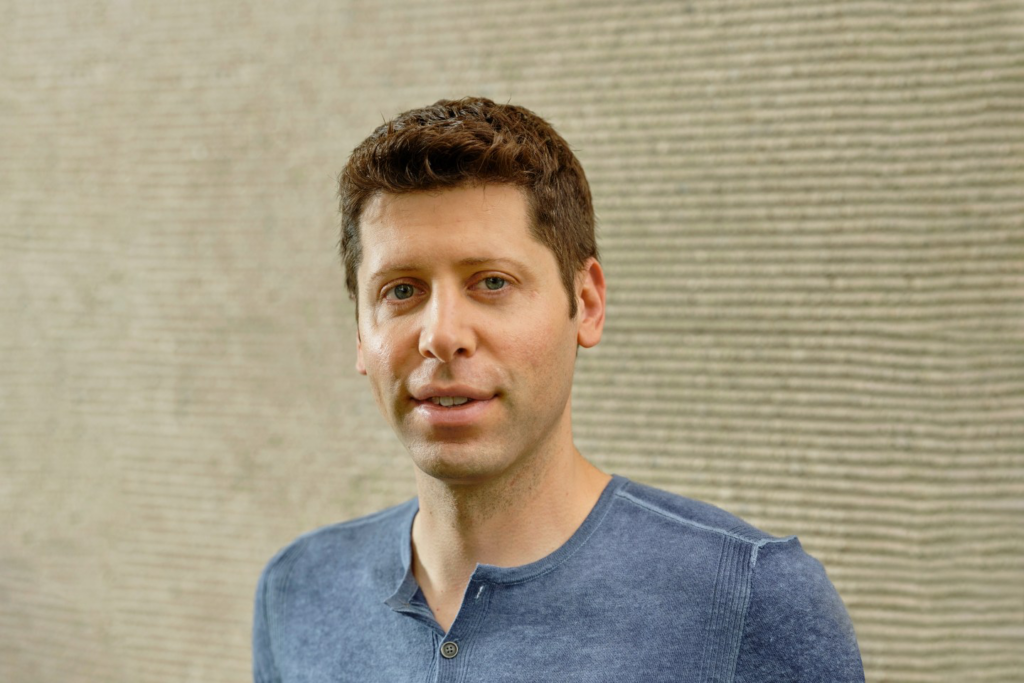
The Tesla and SpaceX CEO argued the transition — which began with a capped-profit subsidiary and later became fully for-profit — amounted to “looting a charity.” “They should not get rich off a nonprofit. That’s not right,” he testified.
OpenAI has strongly denied the allegations. The company maintains in court filings that Musk was fully aware of and initially supported plans for a for-profit arm to raise the enormous capital required to compete in the fast-moving AI sector. OpenAI says the lawsuit only arose after Musk was denied greater control when he left the board in 2018.
The trial, underway this week in U.S. District Court in Oakland, centers on claims of breach of contract and fiduciary duty. Musk has positioned the case as a broader warning about the risks of unchecked commercial AI development, referencing potential “Terminator”-style outcomes if safety is not prioritized.
Business Implications
The dispute underscores the intense capital demands of the AI industry. OpenAI’s valuation has soared amid the success of ChatGPT and enterprise adoption, drawing massive funding rounds. For investors, entrepreneurs, and tech executives, the case raises critical questions about governance in nonprofit-to-for-profit conversions, the balance between innovation speed and ethical commitments, and how founding agreements hold up as companies scale.
Musk’s competing venture, xAI, continues to position itself as an alternative with a different approach to AI development.
The proceedings are expected to continue with additional witnesses and cross-examination in the coming days. A verdict could set important precedents for AI governance, funding structures, and nonprofit oversight in the technology sector.
JBizNews will continue monitoring developments in this high-profile case, which carries significant ramifications for markets, technology investing, and the future of artificial intelligence.
JBizNews- Desk
Elena Vargas covers AI, Silicon Valley, and major tech litigation for JBizNews.