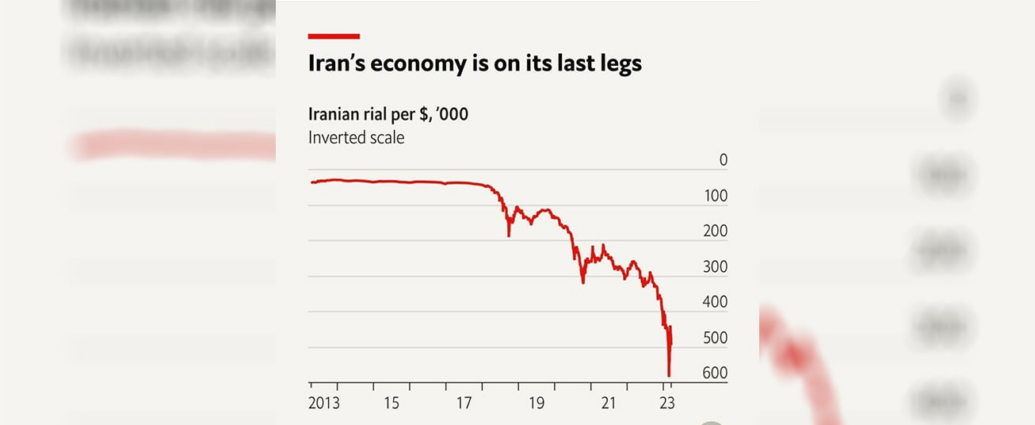
New York, NY – April 30, 2026 – Iran’s currency plunged to a fresh all-time low in the free market Thursday, trading at approximately 1.81 million rials per U.S. dollar, as intensified American sanctions under the Trump administration’s “Operation Economic Fury” continue to choke the regime’s oil revenue and financial lifelines.
The sharp decline — which some reports peg at nearly 15% in recent days — comes amid a post-ceasefire rush for hard currency by Iranian businesses and citizens hedging against further instability following clashes with Israel and the United States. Ordinary Iranians are feeling the pain through hyperinflation, shortages, and a collapsing purchasing power that has worsened for decades.
In a pointed post on X, U.S. Treasury Secretary Scott Bessent delivered a stark message to the regime in Tehran:
“Amid the impact of Economic Fury, Iran’s currency has hit an all-time low. The Iranian people deserve a new era, which the corrupt and shambolic Iranian regime cannot provide. With their oil industry closing and their currency plummeting, it is past time for the Iranian regime to concede that the people of Iran deserve much better than the ruins of their current regime can provide.”
Bessent’s comments underscore the Trump administration’s maximum-pressure campaign, which has included the seizure of nearly $500 million in Iranian crypto assets, the targeting of shadow banking networks, and reports of a U.S. naval blockade affecting key ports and oil shipments.
The rial’s collapse is not new — the currency has lost more than 99% of its value against the dollar since the 1979 Islamic Revolution — but the latest drop highlights the regime’s vulnerability. Chronic mismanagement, corruption, massive spending on proxy militias across the Middle East, and years of international sanctions have left Iran’s economy in tatters. Oil exports, the lifeblood of the regime’s budget, are under severe strain as Washington tightens the noose.
Market analysts note that even the government’s heavily subsidized official exchange rate offers little relief for everyday Iranians, who rely on the free-market rate for imports, remittances, and basic goods. The result: skyrocketing prices for food, medicine, and fuel, fueling sporadic protests that the regime has struggled to contain.
“Sanctions are working exactly as designed,” one senior U.S. official told JBIZ News on background. “The regime’s ability to fund terror proxies and its nuclear ambitions is evaporating. The Iranian people have paid the price for their leaders’ choices long enough.”
The Trump administration has signaled that the pressure will continue until Tehran makes significant concessions on its nuclear program and regional destabilizing activities.
As the rial continues its freefall, the central question remains whether this economic squeeze will finally force the regime to change course — or ignite broader unrest among a population long frustrated by hardship.