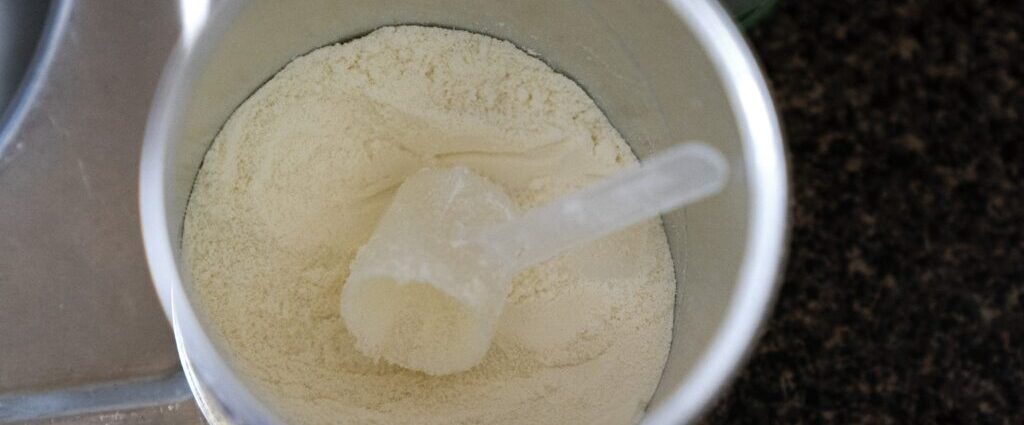
The big takeaway from a new government survey of infant formula is that the U.S. supply is largely safe. But experts and health officials say there are still steps that can be taken to make a product consumed by two-thirds of infants in the U.S. even safer.
One noteworthy finding from the Food and Drug Administration’s testing of 312 formula samples concerned per- and polyfluoroalkyl substances, or PFAS, also known as “forever chemicals.” The FDA detected five PFAS in the samples it tested, with the most common one — PFOS — found in half of all samples. Of those samples, the vast majority (95%) contained less than 2.9 parts per trillion (ppt) of PFOS.
What, exactly, does that mean? The FDA analysis doesn’t explain the PFAS results in much detail. But parents are bound to wonder, given that higher levels of exposure to PFAS, man-made chemicals used in products like nonstick cookware and stain-resistant clothing and rugs, have been linked to conditions including higher cholesterol, kidney and testicular cancer, and reduced vaccine efficacy.