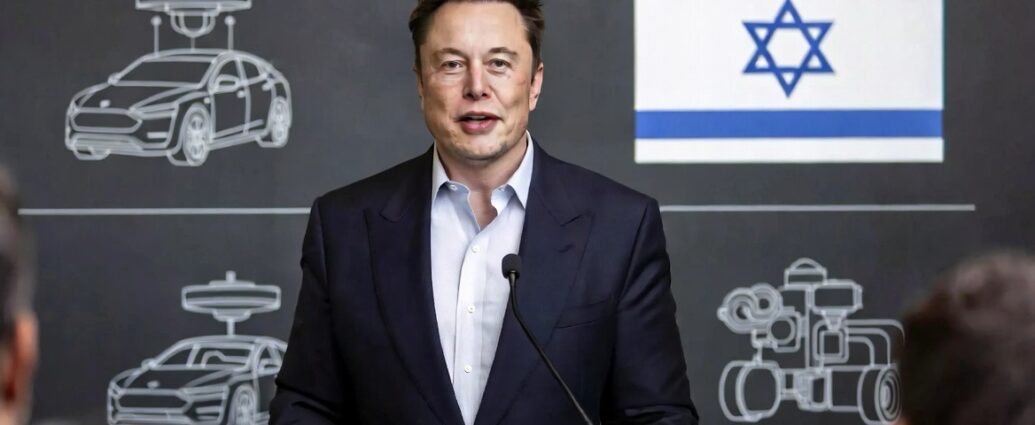
Tel Aviv — May 4, 2026 — Elon Musk, CEO of Tesla, SpaceX, and xAI, is set to visit Israel next month to headline the Smart Mobility Summit 2026, a high-profile gathering focused on autonomous vehicles, artificial intelligence, and next-generation transportation infrastructure. The visit, scheduled for May 18 at Expo Tel Aviv, marks the revival of plans that were postponed earlier this year due to the Iran conflict and represents a significant boost for Israel’s position as a global innovation hub in mobility and AI technologies.
The announcement was confirmed by organizers of the International Smart Mobility Summit, who revived the event after its original March date was scrapped amid regional security concerns. Musk is expected to deliver a keynote address and engage directly with Israel’s top tech leaders, government officials, and executives from the country’s booming autonomous-driving and AI sectors. Topics will include autonomous vehicles, AI integration in public and private transit, smart infrastructure, and innovation in electric mobility — areas where Israel has established itself as a world leader through companies like Mobileye (an Intel subsidiary) and a deep ecosystem of startups.
The economic implications are substantial. Israel’s tech sector already contributes nearly 20% of the country’s GDP, with autonomous driving and AI representing key growth engines. Musk’s presence is seen as a powerful endorsement that could accelerate foreign investment, partnerships, and talent retention at a time when the country is grappling with a high cost of living that has fueled emigration concerns among skilled workers. Tesla already has a growing presence in Israel through its energy and charging infrastructure, while Starlink — SpaceX’s satellite internet service — recently launched commercial operations in the country, providing critical connectivity in both civilian and strategic contexts.
Musk’s visit comes against a complex geopolitical backdrop. The trip was originally discussed during a call with Israeli Prime Minister Benjamin Netanyahu late last year, and its rescheduling signals confidence in the current ceasefire and a desire to strengthen bilateral tech ties despite ongoing regional tensions. Israeli officials, including Transportation Minister Miri Regev and the head of the National AI Headquarters Erez Askal, have been actively courting Musk’s involvement. His appearance is expected to draw major international attention and could open doors for deeper collaboration between Tesla’s Full Self-Driving (FSD) technology and Israel’s world-class autonomous vehicle testing ecosystem.
For the global auto and tech industries, Musk’s trip underscores the accelerating race toward software-defined vehicles and AI-powered mobility. Tesla’s autonomous driving ambitions have faced regulatory hurdles worldwide, but Israel offers a uniquely advanced testing ground with supportive policies and a dense concentration of AI talent. Analysts say the summit could yield new partnerships or licensing deals that benefit both Tesla and Israeli firms, potentially creating thousands of high-skill jobs and positioning Israel as a key node in Musk’s global mobility strategy.
The timing also aligns with broader business trends. As the fuel-price crunch continues to hammer airlines and traditional transportation models, demand for electric and autonomous solutions is intensifying. Musk’s visit could highlight opportunities for Tesla to expand its energy storage and charging network in Israel while exploring how Starlink can support connected vehicle infrastructure in remote or high-security areas.
Israeli tech leaders view the visit as more than symbolic. With emigration of skilled engineers rising due to cost-of-living pressures, high-profile engagements like this help reinforce Israel’s appeal as a place where cutting-edge innovation still thrives. The summit is expected to attract hundreds of executives, investors, and policymakers, creating a platform for deal-making that could translate into tangible capital inflows and technology transfers.
Musk has a history of engagement with Israel. He has previously met with Netanyahu, visited the country, and expressed support for Israeli innovation. His companies have also faced scrutiny and boycotts in some quarters over geopolitical stances, making this high-visibility trip a notable step in rebuilding or expanding those relationships.
Markets will be watching closely when trading resumes Monday for any reaction in Tesla shares, Israeli tech indices, or related stocks in the autonomous driving space. The visit adds to a weekend packed with breaking business developments, including the ongoing Iran diplomatic standoff, Fed Governor Michael Barr’s private credit warning, Warren Buffett’s caution on speculation, and the dollar’s 10% slide pushing up consumer costs.
For Israel’s economy and the global tech community, Elon Musk’s upcoming trip is more than a conference appearance — it is a high-stakes signal of continued investment and collaboration in one of the world’s most dynamic innovation ecosystems.
JbizNews- Desk – Tech / Mobility