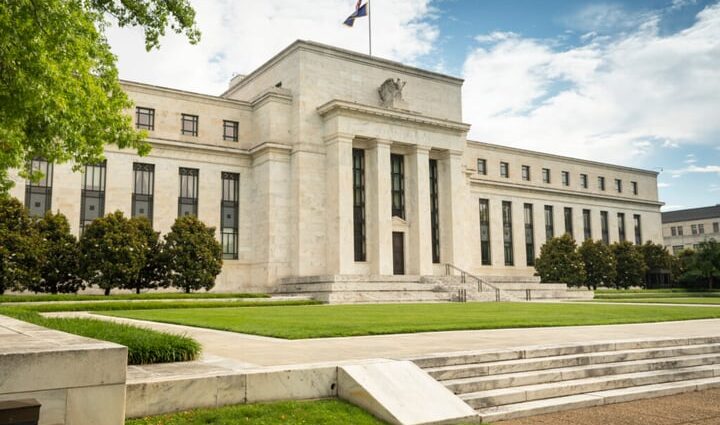
Wall Street is bracing for a leadership transition. As Jerome Powell’s term as a Fed Chairman ends on May 15, the market is starting to adjust to a new leadership, likely under Kevin Warsh.
Historically, changing the guard triggers market anxiety, as investors fear a shift in the “reaction function” of the world’s most powerful central bank.
While volatility seems inevitable as markets “test” the new Chair, research suggests investors are pricing in the inherited environment rather than the man behind the desk. However, historical data suggests that significant market underperformance typically accompanies these transitions.
The Replacement Illusion vs. Macro Reality
Dr. Dejan Kovač, a Harvard postdoc fellow, analyzed Fed transitions over the last 50 years. He looked at data from the Burns-to-Miller handover in 1978 to Powell’s arrival in 2018. The period following these transitions is clear – markets, on average, underperform by 7.7 percentage points in the year following a leadership change.
However, Kovač’s study also reveals a replacement illusion. After controlling for macro factors like CPI, the Fed Funds rate, …





This post was originally published here