By JBizNews Desk
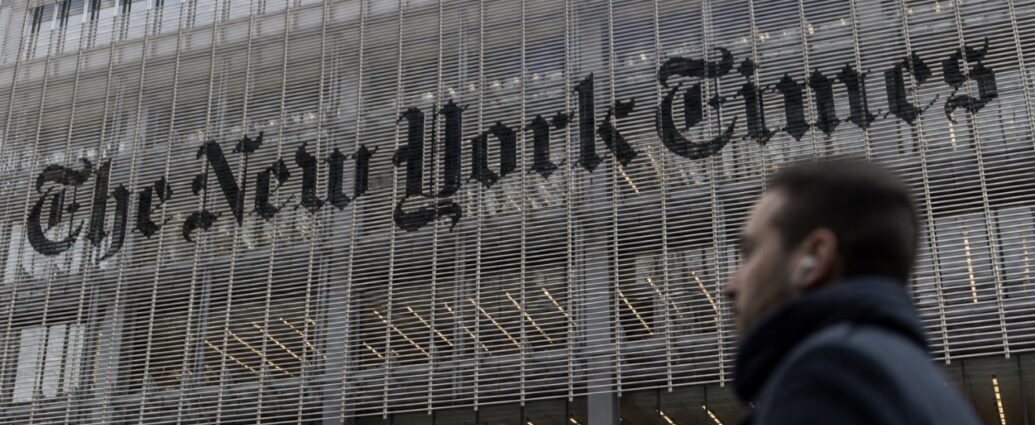
The Trump administration intensified its escalating legal and political confrontation with major media institutions Tuesday, filing a federal discrimination lawsuit against The New York Times over claims that the newspaper denied a promotion to a white male employee because of his race and gender.
The lawsuit, brought by the Equal Employment Opportunity Commission (EEOC) in the U.S. District Court for the Southern District of New York, alleges the Times violated federal anti-discrimination law during its hiring process for a deputy real estate editor position.
According to the complaint, the unidentified employee spent more than a decade working as a staff editor at the newspaper and possessed substantial experience covering real estate journalism. The EEOC claims he was excluded from the final round of interviews despite his qualifications, while a candidate identified in court filings as a multiracial woman with less experience advanced and ultimately received the promotion.
The agency alleges that race and gender were improperly factored into the selection process and points to the Times’ broader diversity initiatives as evidence that demographic considerations influenced newsroom leadership decisions.
Central to the complaint is a 2021 internal New York Times initiative known as a “Call to Action,” which sought to increase female and non-white representation in management and editorial leadership positions. The EEOC argues the initiative contributed to a workplace environment where diversity objectives shaped hiring and promotion outcomes.
The lawsuit seeks injunctive relief barring the newspaper from engaging in discriminatory employment practices, along with back pay, emotional distress damages, and punitive compensation for the employee involved.
Times Rejects Allegations
The New York Times strongly denied the accusations and characterized the lawsuit as politically motivated.
Danielle Rhoades Ha, a spokesperson for the newspaper, said the Times’ hiring and promotion decisions are based on merit and professional qualifications, not race or gender. She also accused the EEOC of departing from normal investigative standards in pursuing the case.
The Times further stated that the editor selected for the position was highly qualified and that demographic factors played no role in the final decision.
The lawsuit arrives amid an increasingly aggressive push by the Trump administration against diversity, equity, and inclusion initiatives across corporate America, universities, media organizations, and federal institutions.
EEOC’s Expanding Anti-DEI Push
The legal action reflects the evolving direction of the EEOC under Chair Andrea Lucas, a Republican appointee who has emerged as one of the administration’s most vocal critics of corporate diversity programs.
Lucas has repeatedly argued that some workplace DEI initiatives may themselves violate federal civil rights law if they result in preferential treatment based on race or sex. In December, she publicly encouraged employees — particularly white male workers — to file complaints if they believed diversity policies unfairly affected hiring or promotion opportunities.
The Times itself previously reported on internal tensions within the EEOC, noting that some staff members expressed concern that field offices were being pressured to prioritize politically sensitive anti-DEI cases aligned with administration priorities.
According to multiple reports, the agency’s handling of the complaint against the Times accelerated sharply in late April, ultimately leading to Tuesday’s lawsuit.
A Broader Battle Between Trump and the Media
The case marks the latest chapter in President Trump’s long-running legal and political war with major media organizations.
Tuesday’s filing represents the third lawsuit brought by Trump or his administration against the Times in less than five years. The newspaper, meanwhile, has also pursued legal action against the administration, including a successful lawsuit against the Defense Department earlier this year involving restrictions on journalist access.
Trump’s broader legal record against media companies has produced mixed outcomes.
The president secured settlements involving ABC and CBS parent Paramount over coverage disputes, while other cases have faltered. A federal judge dismissed Trump’s lawsuit against The Wall Street Journal related to reporting involving Jeffrey Epstein, and a separate defamation case against the Times was forced to be refiled after a judge criticized the original complaint as resembling a political statement more than a traditional legal filing.
At the same time, the administration has increasingly leveraged federal agencies to challenge DEI-related practices inside media companies and other large institutions. Last week, the Federal Communications Commission ordered an accelerated review involving ABC-affiliated broadcast licenses, further intensifying scrutiny of legacy media organizations.
A National Test Case on DEI
Beyond the immediate legal battle, the lawsuit is expected to become a major test case in the national debate surrounding workplace diversity policies and civil rights enforcement.
Supporters of the administration’s position argue that anti-discrimination law must apply equally regardless of race or gender, including in situations involving diversity-focused hiring initiatives. Critics counter that the administration is weaponizing federal agencies to target institutions viewed as politically hostile to Trump.
Legal experts say the case could carry significant implications for corporate hiring practices nationwide, particularly for companies that implemented aggressive diversity goals following the social justice movements of recent years.
The central legal question may ultimately hinge on whether diversity initiatives crossed the line into unlawful employment discrimination — a boundary that courts across the country are increasingly being asked to define.
For The New York Times, the lawsuit places one of America’s most influential news organizations directly at the center of that fight.
And for the Trump administration, it represents another front in a broader effort to challenge what it sees as entrenched ideological practices inside major American institutions.
JBizNews Desk
© JBizNews.com. All rights reserved.