When farmland becomes part of a geopolitical conversation, it stops being just acreage and starts raising bigger questions about control, security, and who gets a stake in U.S. soil.
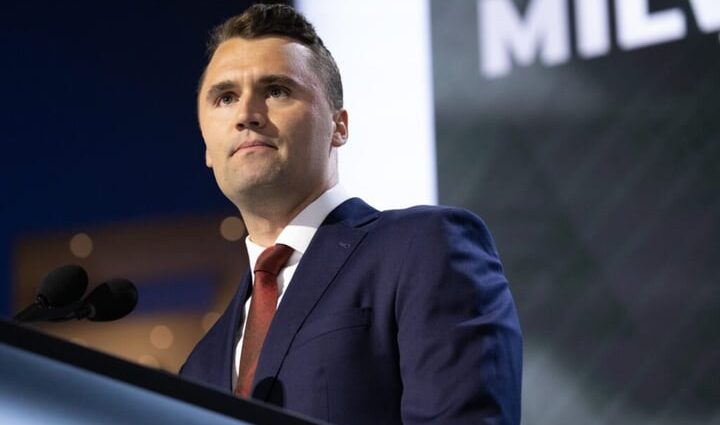
The late conservative activist and founder of Turning Point USA Charlie Kirk put that tension into a single post on X that quickly became a reference point in the debate in 2022.
“Bill Gates owns 270,000 acres of farmland in the U.S. China also just bought 300 acres there, adding to the 192,000 acres of US Soil in their portfolio …and no one seems to care,” he wrote. “Why do we allow this?”
That line—especially the “no one seems to care” portion—captured a concern that went far beyond one deal in North Dakota.
Don’t Miss:
- Most Retirement Plans Ignore Taxes — See If Yours Does
- Explore Jeff Bezos-backed Arrived Homes and see how investors are earning passive rental income — now with a limited-time 1% bonus match for new investors.
The Numbers Then And Now
Data from U.S. Department of Agriculture filings provide the most reliable snapshot of foreign-held farmland.
Around the time of Kirk’s post, Chinese-linked ownership was commonly cited between roughly 192,000 and 350,000 acres, depending on which reporting window was used. Holdings peaked at 383,935 acres in 2021.
Since then, the trajectory has shifted downward. By 2023, Chinese ownership dropped to 277,336 acres. As of Dec. 31, 2024, it stood at 247,659 acres held by Chinese primary investors.
Even at that level, the share remains small in context—less than 0.02% of all privately held U.S. agricultural land.
Foreign ownership overall is far larger. Combined, foreign investors hold about 46 million acres, or roughly 3.6% of privately held farmland. Canada alone accounts for a significantly bigger share than China.
What That Land Actually Represents
The structure behind those holdings often gets lost in the headlines.
Much of the acreage tied to China is not directly owned by the Chinese government. Instead, it flows through companies with varying levels of state connection. Subsidiaries of Smithfield Foods (NASDAQ:SFD) account for a large portion, tied to pork production and processing. Other parcels are linked to energy projects, including wind leases in Texas.
New acquisitions have slowed sharply. In 2024, Chinese investors reported just eight new purchases.
Some of the most visible deals never materialized. A proposed project by Fufeng Group in North Dakota—located near a U.S. Air Force base—was halted after national security concerns were raised at both local and federal levels.
Trending: The “Uber of Smartphone Monetization” Turning Ad Scrolling Into Earnings Opens Its $0.50/Share Pre-IPO Round With Bonus Shares Available
The Response That Followed
Kirk’s claim that “no one seems to care” didn’t hold for long.
Public reaction to his post was immediate and pointed. One reply read, “No other country should be able to buy up American land.” Another said, “Seems unconstitutional to me. No foreign country should be able to own American soil.” Others went further, calling for outright bans or even forced divestment.
There were dissenting views. Some argued that the total acreage was too small to matter or questioned whether restrictions conflicted with property rights. But the dominant tone leaned toward concern, not indifference.
That sentiment translated into policy.
More than 20 states have since passed or strengthened laws restricting foreign ownership of farmland, particularly targeting buyers from countries labeled as foreign adversaries. Many of those laws focus on land near military bases or critical infrastructure.
At the federal level, oversight has expanded. The Committee on Foreign Investment in the United States has …





This post was originally published here