Thursday, May 8, 2026 | JBizNews Desk
Senate Republicans unveiled a $71.8 billion budget reconciliation package this week that funds immigration enforcement through the end of President Donald Trump’s term — and buried within the legislation is $1 billion directed to the U.S. Secret Service for security upgrades tied to Trump’s planned White House ballroom, a project the president had long promised would be entirely privately financed.
The package, released late Monday by Senate Judiciary Committee Chairman Chuck Grassley of Iowa and Senate Homeland Security Committee Chairman Rand Paul of Kentucky, allocates $38.2 billion for U.S. Immigration and Customs Enforcement, $26.1 billion for U.S. Customs and Border Protection, and $5 billion in discretionary funds for the Department of Homeland Security. The legislation also sets aside $1.5 billion for the Department of Justice. The bill is structured as a budget reconciliation measure, allowing Republicans to advance it without the 60-vote threshold required to overcome a Senate filibuster.
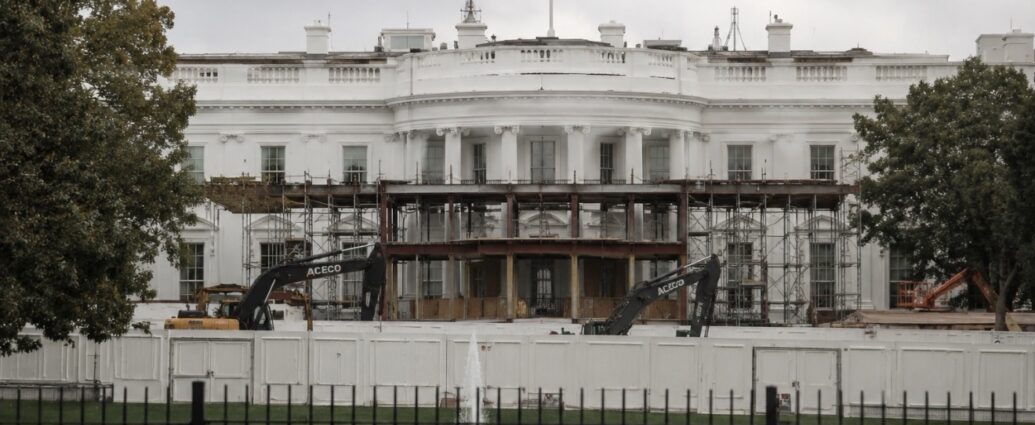
The $1 billion in question is formally directed to the Secret Service for “security adjustments and upgrades” related to the East Wing Modernization Project — the administration’s official name for the ballroom construction. The bill’s text specifies that none of the funds may be used for “non-security elements” of the project. The Secret Service is planning to build a security annex beneath the ballroom, along with military-grade infrastructure including bulletproof glass and counter-drone technology. The White House applauded the provision, with spokesperson Davis Ingle saying the White House welcomes the additional funding for “long overdue” security upgrades.
The move marks a significant shift from earlier White House statements. Trump repeatedly said over the past year that the ballroom project — which independent estimates put at a construction cost of approximately $400 million — would be funded entirely through private donations, and that he had already raised the bulk of those funds. Republican support for using public money hardened following a shooting incident at the White House Correspondents’ Association Dinner last month, after which Sen. Lindsey Graham led a group of White House allies in arguing that taxpayers should help shoulder the cost.
Senate Democrats tore into the bill. Senate Judiciary Committee ranking Democrat Sen. Richard Durbin of Illinois called it a package for “the president’s vanity ballroom project and cruel mass deportation campaign,” and argued that Republicans are attempting to lock in funding for unpopular priorities through the reconciliation process ahead of what he characterized as increasingly difficult midterm prospects. Polls cited by analysts show roughly two-to-one public opposition to the ballroom project — numbers that were recorded when the survey framing emphasized private financing.
The DHS shutdown that preceded this legislation ended after weeks of congressional infighting, with a deal that funded the department except for ICE and CBP — the two agencies Democrats have resisted funding without policy reform. Republicans accepted that deal knowing they would address ICE and CBP through reconciliation, setting up the current package as the second major piece of a two-track budget strategy.
The committees are expected to mark up the legislation when the Senate returns from recess next week. The bill remains a proposal and could change during the markup process. For now, the $1 billion ballroom provision has put Republican leadership in the politically delicate position of defending taxpayer-funded spending on a project sold to the public as privately financed — at a moment when the party is already navigating public dissatisfaction with key elements of the Trump agenda ahead of November.
JBizNews Desk
© JBizNews.com. All rights reserved. This article is original reporting by JBizNews Desk. Unauthorized reproduction or redistribution is strictly prohibited.