Prime Minister Benjamin Netanyahu must submit his most up-to-date medical file to the court so it can examine when his prostate cancer was discovered, Ramle Magistrate’s Court President Judge Menahem Mizrahi ruled Thursday.
The decision was handed down in Netanyahu’s defamation suit against Gonen Ben Yitzhak, Uri Misgav, and Ben Caspit, in a case that has become bound up with questions over the prime minister’s medical privacy, public statements about his health, and the limits of discovery in libel proceedings.
Mizrahi ordered Netanyahu to provide the updated medical file in a sealed and secured envelope directly to the court, for the judge’s review only, by May 13. The file must be accompanied by a signed letter from Netanyahu’s personal physician, Dr. Zvi Herman Berkovich, confirming that it is Netanyahu’s updated medical file and attaching an original medical document showing when Netanyahu’s prostate cancer was discovered.
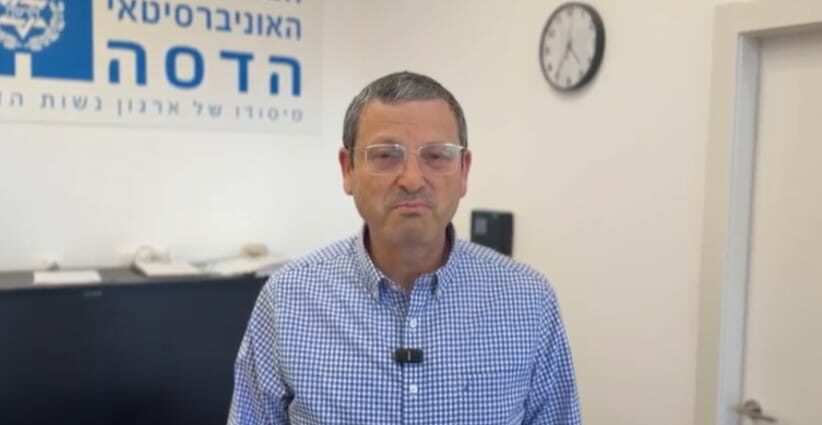
The ruling does not yet order Berkovich or Prof. Aharon Popovtzer, head of the oncology department at Hadassah-University Medical Center in Jerusalem’s Ein Kerem, to testify. Mizrahi said he would issue a supplementary decision on whether to summon the two doctors after Netanyahu testifies in the evidentiary stage of the case.
The defendants have denied that their publications constitute defamation
The request to summon the doctors was filed by Misgav and joined by Ben Yitzhak. They argued that two public medical reports published after earlier court decisions raised new questions relevant to the case, including whether information about Netanyahu’s medical condition had been disclosed late.
Mizrahi wrote that the timing of the discovery of Netanyahu’s prostate cancer was a “critical” point in the dispute, after a public medical report dated April 20, 2026, said that an additional examination had confirmed the cancer was discovered incidentally and at an early stage. The judge noted, however, that the report did not make clear when that “additional examination” took place – before or after the court’s previous March 2025 review of Netanyahu’s medical file.
Netanyahu filed the lawsuit after Ben Yitzhak wrote on X/Twitter in May 2024 that he had received information that Netanyahu had been treated for pancreatic cancer following a visit to Hadassah Ein Kerem. Netanyahu said in the lawsuit that he does not have a terminal illness and certainly does not have pancreatic cancer.
According to the decision, Misgav also published several posts implying that Netanyahu’s medical condition was not normal and that the public was not being told the truth about it. Caspit’s publication, the court said, concerned an alleged incident involving Maj.-Gen. (res.) Amiram Levin and Netanyahu, which Netanyahu said had not occurred.
The defendants have denied that their publications constitute defamation. Ben Yitzhak argued that his posts followed unanswered requests for information about Netanyahu’s medical condition and invoked good-faith defenses. Misgav argued that Netanyahu’s medical condition, as prime minister, is a matter of significant public interest and that his posts were satirical and legitimate criticism. Caspit said his article did not address Netanyahu’s medical fitness to serve as prime minister and relied on legal defenses available to him.
Mizrahi emphasized that the court had already rejected previous attempts to summon Netanyahu’s personal doctor, rulings that were upheld by both the district court and the Supreme Court. The court previously held that the defendants could not use the case as a “fishing expedition” into Netanyahu’s medical history, particularly where doing so would severely harm his privacy.
Still, Mizrahi said the new public medical report created a specific unresolved question: when Netanyahu’s prostate cancer was first discovered. Because that question may be relevant to the dispute, the judge said the court should first review the updated medical file through a less invasive route before deciding whether the doctors should be called to testify.