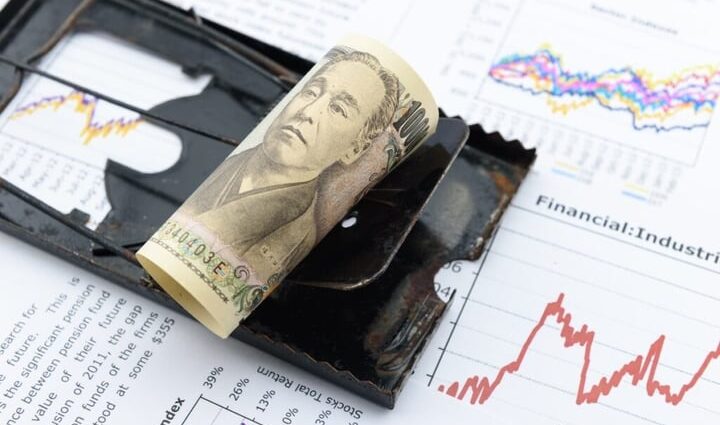
Bank of Japan officials reiterated a strong warning to speculators of imminent currency intervention last week, leading to a 3% jump in the Japanese yen, the largest one-day gain in three years.
Japan’s Top FX Official Points To ‘Extremely Speculative’ FX Trading
Japan’s top FX diplomat Atsushi Mimura, reportedly said on April 30 that “extremely speculative” moves in the currency market were driving recent yen weakness.
Japanese Finance Minister Satsuki Katayama reportedly told reporters that the timing for taking “decisive action” was getting closer, a sign that Tokyo officials are unhappy with the yen’s recent devaluation.
Don’t Miss:
- Small differences in withdrawal and tax strategy can significantly impact long-term retirement income — see where you stand today.
- This Under-$1 Pre-IPO AI Company Is Still Open to Retail Investors — Learn More
The U.S. dollar was most recently trading around ¥157 after the move, marking its highest level since May 1990.
“This is our final evacuation warning to markets,” Mimura was quoted as saying.
Japan Follows Up The Threat With A $35B Yen Purchase
The BOJ showed it was following up the threats from its currency officials with a yen purchase that cost up to $35 billion, Reuters reported, citing central bank accounts.
“I would say the intervention was effective as it brought the yen down to around 155 per dollar,” Takahide Kiuchi, a former BOJ board member, told Bloomberg. “But I don’t think they are out of the woods yet.”
The intervention follows speculation that the BOJ was ready to intervene in January, ahead of the country’s snap election in February.
Trending: Traders Are Flocking to Direxion ETFs — Targeting Tesla and Elon Musk’s Market Moves
Yen Carry Trade A ‘Ticking Time Bomb’
The yen has been a troubled currency at times over the last two decades due to what’s known as the carry trade.
Carry trade investments involve borrowing money in a lower-yielding currency and investing in a higher-yielding currency to take advantage of the interest rate differential. The U.S. yield was most recently set at 3.75%, versus Japan’s 0.75%, according to Trading Economics data.
The latest intervention was said to cost around ¥5.4 trillion, Bloomberg said citing analysis of BOJ accounts, while Japanese authorities spent an average of ¥3.8 trillion four times in 2024 in an attempt to flush out speculators.
Periods of sharp macro volatility like currency intervention, rate shocks and speculative positioning have increasingly drawn attention from active traders using tools such as leveraged ETFs from Direxion to express short-term market views during fast-moving events.
Read Next:
- Discover How AI Can Turn Your Investment Ideas Into Tradable Assets — See How
- Practice futures trading with a $50,000 demo account using real-time market data, then explore live trading when ready with a $60 signup bonus (code BNZ60) on your first $300 deposit.
Building Wealth Across More Than Just the Market
Building a resilient portfolio means thinking beyond a single asset or market trend. Economic cycles shift, sectors rise and fall, and no one …





This post was originally published here