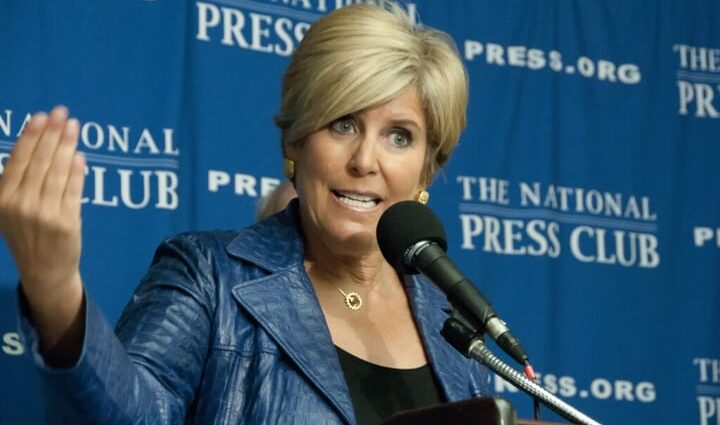
Panic selling in the current market will cost investors money, warned personal finance expert Suze Orman.
“The biggest mistake you will ever make and you probably are making it or have made it is when you stop investing. You sell, you get out, you let fear dictate the moves you make,” Orman said during her “Women & Money” podcast released Sunday. “If you do that you are never, ever going to build wealth.”
What Goes Down Comes Back Up
Orman pointed to the S&P 500 as an example of why individuals should stay invested in the stock market during downturns.
Don’t Miss:
- Explore whether your retirement strategy is optimized for income, taxes, and long-term withdrawals — take the AdviserMatch quiz today.
- Discover How AI Can Turn Your Investment Ideas Into Tradable Assets — See How
Over the past 40 years the S&P 500 has had 33 up years and seven down years, according to Orman. In each of the seven down years, the index has “roared back,” she said. If you sell stocks or stay on the sidelines during those down years, you would have missed the subsequent upswings, she said.
Take the bear market of 2022 as one example. Stocks tumbled amid record inflation, the war in Ukraine and aggressive rate hikes by the Federal Reserve. Since then, the S&P 500 has doubled.
“If you are afraid you will sell at the wrong time, you will buy at the wrong time, you have got to control your emotions,” said Orman. “The biggest emotion that is dictating failure in finance is you are afraid.”
Trending: Why Traders Are Flocking to Leveraged ETFs — And What It Means for You
Keep On Investing
Orman said that now is not the time to stop investing in their 401(k)s, or to sell “great” stocks or ETFs. Instead she said to continue to invest “month in and month out,” especially when stocks go down.
“When the markets go down of course this is the time you should be buying things that are good. It’s not the time for you to be selling,” Orman said.
Orman, who prefers consistent monthly dollar-cost averaging, which occurs when you invest a fixed dollar amount on a regular schedule regardless of the share price, cautioned listeners to only invest if they have five years or longer until they need the money.
“If you can just do those things and know what you are investing in,” she said. “I’m telling you over the long run you will make money.”
As experts continue to emphasize the importance of staying invested through market downturns, many investors turn to financial advisors for help building structured retirement strategies, managing risk, and maintaining discipline during periods of volatility.
Read Next:
- Deloitte’s #1 Fastest-Growing Software Company Lets Users Earn Money Just by Scrolling — Investors Can Still Get In at $0.50/Share
- This Under-$1 Pre-IPO AI Company Is Still Open to Retail Investors — Learn More
Building Wealth Across More Than Just the Market
Building a resilient portfolio means thinking beyond …





This post was originally published here