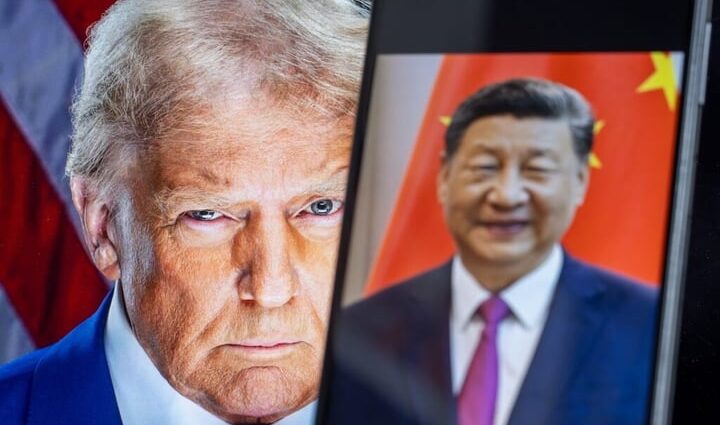
President Donald Trump and Chinese President Xi Jinping chartered two new bilateral institutions, the U.S.-China Board of Trade and the U.S.-China Board of Investment, as the cornerstones of the bilateral economic agreement reached during Trump’s second state visit to China.
Unlike the 20 countries with which the U.S. holds comprehensive free trade agreements, according to the U.S. Trade Representative, China has no such bilateral framework, making the new Boards the first formal government-to-government trade and investment mechanism between the two economies.
What The Boards Do
According to the White House, the Board of Trade will manage bilateral flows across non-sensitive goods, while the Board of Investment creates a government-to-government forum for resolving investment-related issues. Earlier, U.S. Treasury Secretary Scott Bessent hinted at the development, telling Bloomberg that the Board of Investment could enable Chinese companies to invest in non-sensitive U.S. industries while ensuring national security concerns are addressed.
On Saturday, China’s Commerce Ministry separately said both sides reached a tentative …





This post was originally published here