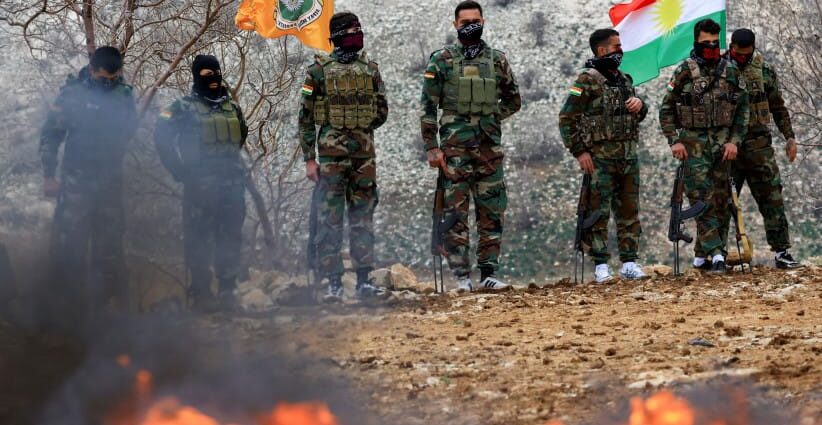
Kurds in the Kurdistan Region of northern Iraq are concerned that a possible deal between the US and Iran may not cover Iraq and will not stop Iran’s attacks on Kurdish groups.
There are many Kurdish Iranian dissident groups that have members in the Kurdistan Region of northern Iraq. Since the war began in late February, there have been more than 810 attacks on the Kurdistan Region by Iran and Iranian proxies in Iraq.
On May 24, the Kurdish Rudaw media noted that “two Iranian Kurdish armed groups said on Saturday that Iran had targeted their bases in Erbil province with drones. No casualties were reported.”
The report went on to say that “the attack on the Komala Party took place late Saturday in Khalifan district and involved at least four attack drones, a senior Komala official, Amjad Panahi, told Rudaw.’
In addition, the Kurdistan Freedom Party (PAK) was also targeted in Erbil’s Darashakran area. Four drones attacked the site. No casualties had been reported by the morning.
“Panahi said in a statement that since the outbreak of the Iran war with the US and Israel on February 28, Iran has targeted their bases with 79 missiles and drones.”
This means that around 750 attacks have targeted other sites of Kurdish opposition groups, as well as the US Consulate and other places.
Attacks against Kurds continue even amid ceasefire
There are around seven Kurdish Iranian opposition groups. These include the Democratic Party of Iranian Kurdistan, PAK, Khabat, the Kurdistan Free Life Party, and three branches of Komala. One branch of Komala remains on its own, while two have joined the other Kurdish parties in a coordination committee.
There is now a new talk of a possible deal that might involve Iran and the US and could lead to reduced tensions in the Strait of Hormuz and even Lebanon.
In Iraq, the US is pressuring the central government to rein in Iranian-backed militias. The militias have also threatened the Gulf. Even after the ceasefire in April, there have been almost daily attacks on the Kurdistan Region.