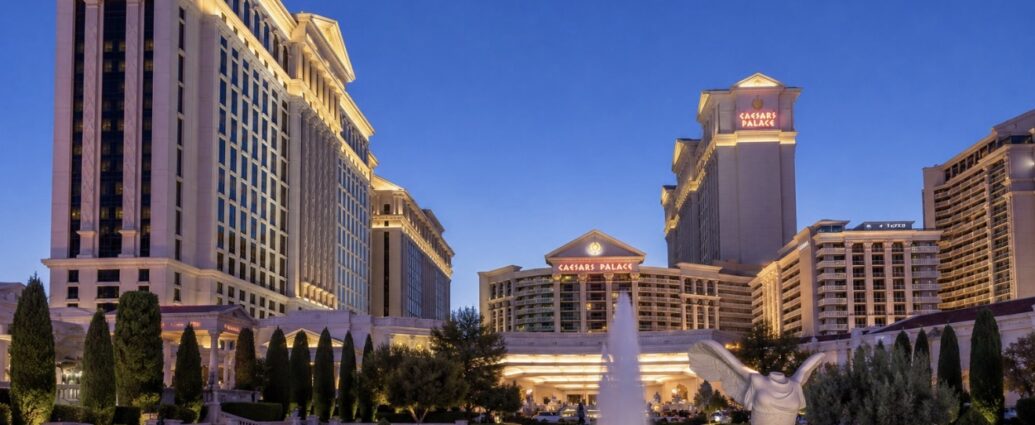
Houston billionaire Tilman Fertitta is finally getting the casino empire he has spent nearly a decade chasing.
On May 28, 2026, Fertitta Entertainment announced a definitive agreement to acquire Caesars Entertainment in an all-cash transaction valued at approximately $17.6 billion, including assumed debt, marking one of the largest gaming industry buyouts in years and dramatically reshaping ownership across the Las Vegas Strip.
The transaction ends Fertitta’s years-long pursuit of Caesars, a campaign that began in 2018 when he first proposed combining the company with his Golden Nugget casino business. Multiple attempts, competing bidders, and shifting market conditions delayed the effort over the years. Now, after nearly a decade of maneuvering, Fertitta has secured control of one of the most recognizable casino brands in the world.
Importantly, this is not a sale by a single owner.
Caesars is a publicly traded Nasdaq company, meaning Fertitta is effectively buying out thousands of public shareholders and taking the company private. Shareholders will receive $31 in cash per share, representing roughly a 49% premium to the company’s share price before takeover speculation accelerated earlier this year.
The equity portion of the deal values Caesars at roughly $5.7 billion.
The much larger headline figure — $17.6 billion — comes because Fertitta is also assuming approximately $11.9 billion in existing Caesars debt, underscoring just how leveraged the modern casino business has become after years of acquisitions, expansions, and pandemic-era financial restructuring.
Fertitta’s Biggest Bet Yet
For Fertitta, the acquisition represents the largest and most ambitious deal of his career.
The 68-year-old billionaire already controls a sprawling hospitality empire through Landry’s, which owns or operates hundreds of restaurants, hotels, entertainment venues, and casinos across the United States and internationally. His holdings include the Golden Nugget casino chain and the Houston Rockets, which he purchased in 2017 for $2.2 billion.
Adding Caesars dramatically expands that footprint.
The company operates roughly 52 casino properties across the United States, including some of the most iconic names on the Las Vegas Strip: Caesars Palace, Flamingo, Planet Hollywood, and Horseshoe among them.
The deal effectively gives Fertitta direct control over a major portion of America’s gaming and hospitality infrastructure.
Why The Financing Structure Matters
One of the most closely watched aspects of the transaction is how it is being financed.
Fertitta Entertainment emphasized that the acquisition is not subject to a financing contingency — a crucial point for investors after several high-profile leveraged buyouts in recent years encountered financing instability or collapsed under deteriorating credit conditions.
Instead, the acquisition will be funded through a combination of Fertitta equity contributions, newly arranged financing from a consortium of 10 banks, and the assumption of Caesars’ existing debt obligations.
That structure reduces execution risk and signals strong lender confidence despite elevated interest rates and tighter credit conditions across much of corporate America.
Still, the debt load remains substantial.
Fertitta has long embraced highly leveraged dealmaking, often betting that strong cash-flow-generating assets can comfortably support large borrowing levels over time. Caesars now becomes the largest version of that strategy he has attempted.
The Political Angle
The acquisition also carries a political dimension analysts believe could matter during regulatory review.
Fertitta has been a prominent supporter of President Donald Trump, contributed actively during the 2024 campaign cycle, and currently serves as U.S. ambassador to Italy under the Trump administration.
Gaming deals of this scale require extensive approval processes across multiple states where Caesars operates casinos and holds gaming licenses. Regulatory scrutiny often focuses heavily on ownership structure, financing stability, competitive concentration, and operational suitability.
Analysts including Lance Vitanza of TD Cowen suggested Fertitta’s political positioning and longstanding industry relationships may improve confidence that the deal ultimately secures the approvals it needs.
That does not mean approval is automatic.
The transaction still faces shareholder approval requirements, state-level gaming reviews, and antitrust examination tied to concentration of major Strip properties under one ownership umbrella.
The agreement also includes a “go-shop” period running through approximately July 11, allowing Caesars and its advisers to solicit or evaluate competing bids before the transaction becomes final.
Why The Timing Is Interesting
The deal arrives during a softer moment for Las Vegas itself.
Visitor spending growth has moderated, discretionary travel has become more uneven, and gaming revenue trends have softened compared with the explosive rebound period immediately following the pandemic reopening years.
Yet investors still responded positively.
Caesars shares rose following the announcement and have climbed roughly 16% since initial reports of Fertitta’s interest surfaced earlier this year, suggesting markets largely view the agreed price as credible and achievable despite broader industry caution.
The acquisition also continues a longer-term consolidation trend reshaping the casino industry.
Ownership of major Strip properties has increasingly concentrated into fewer hands over the past decade as rising development costs, digital gaming competition, sports betting expansion, and capital-intensive resort operations pushed operators toward larger scale.
Fertitta’s purchase accelerates that process further.
What Fertitta Is Really Buying
At one level, this is a casino deal.
At another, it is a bet on physical experience assets themselves.
Fertitta has spent much of his career accumulating businesses tied to entertainment, hospitality, tourism, food, nightlife, sports, and experiential spending — industries that increasingly command premium pricing in an economy where consumers continue prioritizing experiences over goods.
Caesars gives him one of the most globally recognized hospitality brands in America alongside enormous real-estate positioning across Las Vegas and regional gaming markets.
The risks are obvious: debt, regulatory scrutiny, softer consumer spending, and the cyclical nature of gaming.
But Fertitta’s approach has rarely centered on avoiding leverage.
It has centered on owning trophy assets large enough to generate cash flow through economic cycles.
And after nearly ten years of trying, Caesars has now become the biggest trophy of them all.
Las Vegas — JBizNews Desk
© JBizNews.com All Rights Reserved. Reproduction or distribution without written permission is prohibited.