JBizNews Desk
When Americans think about panic buying at Costco, they often think of toilet paper, bottled water, or pandemic-era shortages.
Today, it’s something far more ordinary — and far more important to household budgets.
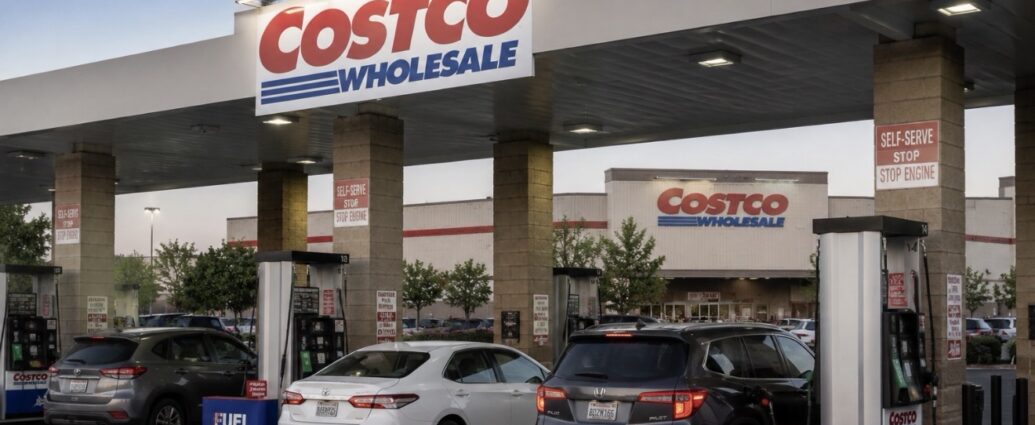
According to comments from Costco CEO Ron Vachris during the company’s latest quarterly earnings call, the warehouse giant experienced some of the strongest sales weeks in its history as consumers increasingly flocked to Costco gas stations seeking relief from elevated fuel prices.
The surge became so significant that some Costco locations required additional fuel deliveries to keep up with demand.
For millions of Americans, the warehouse club’s biggest attraction right now isn’t inside the store.
It’s at the pump.
Why Costco Gas Is Drawing Crowds
The reason is simple: savings.
Costco gasoline often sells for 10 to 30 cents less per gallon than nearby stations, depending on location and market conditions.
When fuel prices rise, those savings become much more meaningful.
For a family filling multiple vehicles each month, the difference can add up quickly, making a Costco membership worthwhile based on gasoline savings alone.
Vachris said the company saw many members use Costco gas stations for the first time during the quarter as consumers became increasingly focused on reducing everyday expenses.
The trend reflects a broader reality facing American households: even small savings matter when inflation continues to pressure family budgets.
The Real Business Strategy
The most interesting part of the story is that Costco isn’t making huge profits from gasoline itself.
In fact, fuel margins are relatively thin.
Costco intentionally prices gasoline aggressively because the company’s goal isn’t maximizing profits at the pump. The goal is bringing customers onto the property.
Once members arrive for cheaper gas, many head inside the warehouse to purchase groceries, household goods, pharmacy items, electronics, and other products.
In retail, this strategy is known as a “loss leader” — offering highly competitive pricing on one product to generate sales elsewhere.
Costco has been executing that strategy successfully for years.
Record Sales Follow
The approach appears to be working.
Costco reported 11.6% growth in net sales compared with the same period last year.
Paid membership increased 4.1%, while digital sales surged 21%.
Website and app traffic climbed approximately 37%, highlighting the company’s continued ability to attract both physical and online shoppers.
The results suggest consumers remain willing to spend, but they are becoming increasingly strategic about where they spend.
Another Surprise: Gold Sales
Gasoline wasn’t the only category generating strong demand.
Costco also reported robust growth in several areas, including pharmacy, jewelry, home furnishings, tires, and one category that has received increasing attention over the past year: gold bars.
The retailer has quietly become one of the country’s more unusual precious-metals sellers, regularly offering gold products that often sell out quickly.
The combination of rising gold purchases and increased demand for discounted gasoline paints an interesting picture of the American consumer.
On one hand, shoppers are searching aggressively for ways to save money. On the other, many are purchasing tangible assets viewed as protection against uncertainty and inflation.
Both trends point to households that remain cautious about the economic outlook.
Why Investors Were Less Excited
Despite strong earnings results, Costco’s stock declined following the report.
The reason wasn’t sales growth.
Instead, investors focused on rising operating costs and concerns about profit margins.
Company executives noted that transportation expenses remained elevated and warned that some product categories could face additional cost pressures tied to higher prices for materials such as plastics and packaging.
The reaction highlights a challenge facing many retailers: strong sales do not automatically translate into higher profits if operating costs rise at the same time.
What It Means for Consumers
The rush to Costco’s gas pumps says a lot about the current economy.
Consumers continue spending, but they are working harder to stretch every dollar.
They are comparison shopping, hunting for discounts, joining membership programs, and looking for any opportunity to reduce recurring expenses.
Fuel remains one of the largest unavoidable costs for many households, particularly commuters and families with multiple vehicles.
As long as gasoline prices remain elevated, Costco’s fuel stations are likely to remain crowded.
And that’s exactly how the company likes it.
The cheap gas may bring customers in, but Costco is betting they’ll leave with a full shopping cart as well.
JBizNews Desk
© JBizNews.com All Rights Reserved. Reproduction or distribution without written permission is prohibited.