By JBizNews Desk
Sunday, May 31, 2026
Drivers are finally getting a bit of relief at the gas pump.
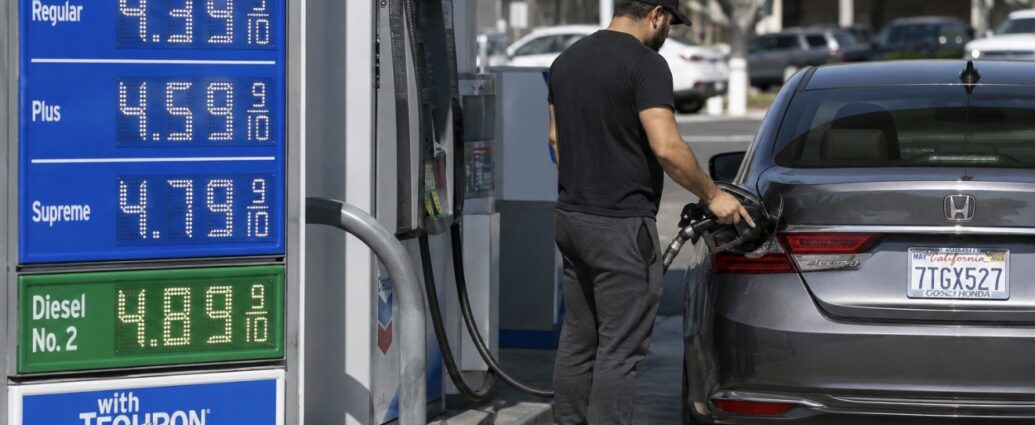
According to the American Automobile Association (AAA), the national average price for a gallon of regular gasoline fell for the eighth consecutive day on May 29, declining another 3.5 cents to $4.391 per gallon. While the drop is modest, it marks a welcome change after months of rising fuel costs driven by conflict in the Middle East and disruptions to global energy supplies.
The decline comes as oil markets increasingly bet that diplomacy may succeed where military escalation failed.
For months, the conflict involving Iran disrupted traffic through the Strait of Hormuz, one of the world’s most important energy chokepoints. Before the conflict, roughly one-fifth of global oil shipments passed through the narrow waterway. Concerns about supply disruptions pushed crude prices sharply higher and sent gasoline prices soaring across the United States.
Now traders are beginning to price in the possibility that more oil could soon return to global markets.
The shift has been visible in crude oil prices.
West Texas Intermediate (WTI) crude settled at approximately $87.36 per barrel on May 29, while international benchmark Brent crude closed near $92.05 per barrel. Both benchmarks have retreated significantly from wartime highs as investors increasingly focus on ceasefire negotiations and diplomatic efforts aimed at reducing tensions.
Market sentiment improved further after reports that U.S. and international negotiators had drafted a framework for extending a ceasefire and beginning broader discussions regarding Iran’s nuclear program and regional security issues.
The logic behind the market reaction is straightforward.
Oil prices reflect not only current supply and demand but also expectations about future disruptions. As fears of prolonged supply shortages ease, traders reduce the risk premium embedded in crude prices. Lower oil prices eventually translate into lower gasoline prices for consumers.
Even so, drivers should keep the recent decline in perspective.
At more than $4.39 per gallon nationally, gasoline remains expensive by historical standards and continues to place pressure on household budgets. Summer travel demand is beginning to accelerate, and millions of Americans are expected to hit the roads in the coming weeks.
Regional differences remain substantial.
Some of the lowest gasoline prices in the country are currently found in states such as Indiana, Texas, Georgia, and Mississippi, where average prices remain well below the national average. Meanwhile, drivers in several coastal and high-tax states continue paying significantly more.
The durability of the recent decline remains uncertain.
Energy markets have repeatedly swung between optimism and anxiety throughout the year as ceasefire discussions advanced and then stalled. Previous periods of falling oil prices were often followed by renewed spikes after military incidents or setbacks in negotiations.
AAA has cautioned that fuel prices remain highly sensitive to developments in the Middle East and that any disruption to ongoing diplomatic efforts could quickly reverse recent gains.
Analysts also note that even if shipping routes fully reopen, global energy infrastructure has suffered damage during months of conflict. Refineries, export facilities, pipelines, and port operations may take time to return to normal capacity.
That means oil markets could remain vulnerable to supply disruptions even under a successful peace agreement.
For consumers, however, the recent trend is encouraging.
Every decline in gasoline prices helps reduce transportation costs for households and businesses while easing inflationary pressure across the broader economy. Lower fuel costs can influence everything from airline tickets and shipping expenses to grocery prices and consumer spending.
The challenge is that the current relief remains tied to expectations rather than certainty.
The ceasefire process is still developing, key agreements remain unfinished, and energy markets continue reacting to every headline. Until a durable agreement is reached and oil flows normalize, the recent decline at the pump remains dependent on a peace process that is still unfolding.
For now, motorists are enjoying the first meaningful break in months—and hoping it lasts.
JBizNews Desk — Energy
© JBizNews.com All Rights Reserved. Reproduction or distribution without written permission is prohibited.