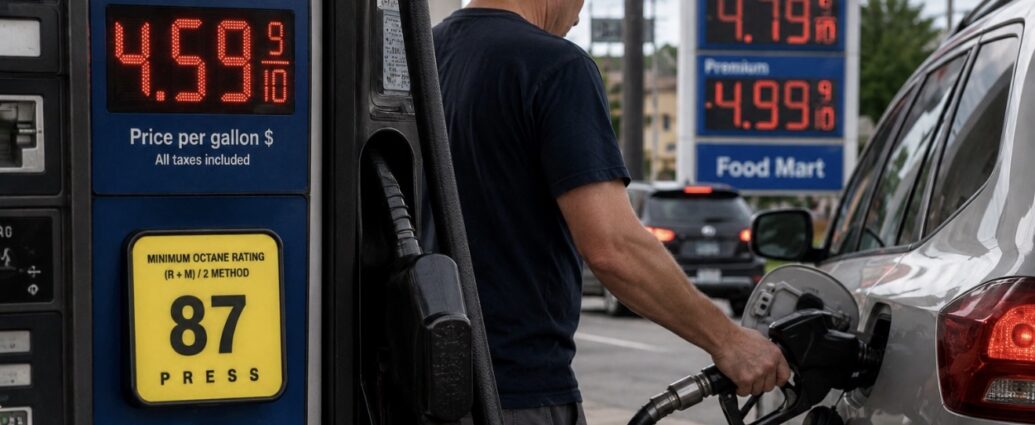
Consumer prices climbed at their fastest annual pace in three years last month, the Bureau of Labor Statistics reported Wednesday, June 10, with the spike driven almost entirely by what Americans pay at the gas pump. The Consumer Price Index rose 0.5% in May and was up 4.2% over the past 12 months — the highest annual reading since April 2023.
The headline number looks alarming, but the source is narrow. The energy index jumped 3.9% in May and accounted for more than 60% of the entire monthly increase, following gains of 3.8% in April and 10.9% in March — a three-month surge tied directly to the Iran war’s disruption of Middle Eastern oil supplies. Gasoline alone rose 7% in a single month and is up 40.5% from a year ago.
Strip out food and energy, and the picture is calmer. So-called core inflation rose just 0.2% on the month and 2.9% over the year, with the monthly gain coming in below forecasts and below April’s pace. That gap — a hot headline number and a mild core — is the central tension facing the Federal Reserve as it meets this week.
The everyday squeeze is real where families feel it most. Electricity prices rose 0.6% in May and are up 5.9% over the year. Shelter, the single biggest piece of the index, rose 0.3% and is up 3.4% annually, while food increased 0.2%.
New-vehicle prices slipped 0.3%, used cars rose 0.1%, airline fares increased 2.7%, and motor vehicle insurance fell 1.7%.
That mix matters. The fact that transportation services and other core categories stayed tame suggests high fuel costs have not yet spread broadly through the economy. Economists framed it as a pocketbook problem more than a runaway inflation problem — at least for now.
The worry among forecasters is second-round effects. Sustained high energy costs eventually raise the price of anything that needs to be transported, heated, or powered. So far that spillover has been limited, but it is exactly what the Fed is watching.
For the Fed, the report cuts against any near-term rate cut. After the data landed, futures markets leaned toward holding rates steady and even increased the odds of a hike later this year.
The bottom line for households: the basics cost more, the increase is concentrated in fuel, and whether it spreads depends largely on a war thousands of miles away. The next inflation report will reveal whether May was a spike or the start of something more persistent.
JBizNews Desk — Economy
© JBizNews.com All Rights Reserved. Reproduction or distribution without written permission is prohibited.