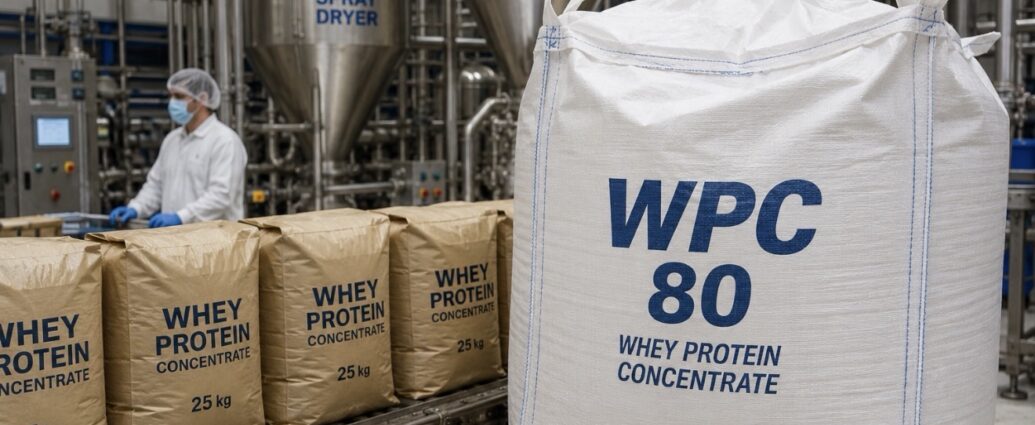
NEW YORK — Whey protein prices have surged as much as 250% over the past year, according to dairy-data firm Ever.Ag, transforming what was once a byproduct of cheese production into one of the most sought-after ingredients in the food industry.
The firm reports that 80% whey protein concentrate now trades above $13 per pound in the United States, while more refined whey protein isolate prices have climbed roughly 150% year-over-year. In late May, DCA Market Intelligence reported a record average price of €26,450 ($30,518) per metric ton for 80% concentrate, more than double its level less than a year ago.
The latest U.S. Department of Agriculture dairy-market reports describe the whey market as firm, with tight inventories and elevated pricing even as some other dairy products soften.
The reason is simple: demand is growing faster than supply.
High-protein diets have moved beyond fitness enthusiasts and become mainstream, fueling demand for protein shakes, snack bars, cereals, meal replacements, and fortified foods.
A major new catalyst has been the rapid adoption of GLP-1 weight-loss drugs such as Ozempic and Wegovy. With roughly 12% of Americans now taking such medications, healthcare providers increasingly recommend higher protein intake to help preserve muscle mass during weight loss.
The result has been a sharp increase in demand across the protein industry.
Over the past two years, whey protein concentrate prices have risen approximately 108%, while isolate prices have climbed roughly 139%.
Supply, however, cannot easily expand.
Whey is a byproduct of cheese production, meaning manufacturers cannot simply increase output in response to demand. Production depends largely on how much cheese is being made, not how much protein powder consumers want.
Even as U.S. milk production reaches record levels, the specialized facilities that process whey into protein concentrates and isolates are operating near capacity.
USDA reports indicate that food manufacturers are increasingly competing for available whey supplies, while many producers have already committed most of their production through the end of 2026.
The impact is increasingly visible to consumers.
Sports-nutrition companies are raising prices, reducing package sizes, or incorporating alternative proteins to manage costs. Some finished protein products now cost 50% to 110% more than they did in 2024.
“We’re seeing whey protein prices reach historic highs,” said Darcy Davenport, chief executive of BellRing Brands, maker of the Premier Protein product line.
Retail-data firm Datasembly found that U.S. concentrate prices have increased approximately 15% over the past year, with premium isolate products rising even faster.
Dairy companies are racing to expand production.
Glanbia is adding new whey-isolate capacity through a joint venture in New Mexico. Tirlán has committed approximately €126 million to premium whey production, while Idaho Milk Products is investing $200 million in new facilities.
Across the industry, billions of dollars are being committed to additional processing infrastructure.
Most of that capacity, however, will not become operational until late 2026 or beyond, leading many analysts to conclude that meaningful relief may not arrive until 2027.
Some manufacturers are responding by sourcing lower-grade whey from overseas markets, while premium brands continue emphasizing quality and domestic supply chains.
Industry observers believe the demand surge may prove long-lasting.
Unlike previous cycles driven largely by bodybuilders and athletes, whey protein now serves a broad range of markets, including mainstream food products, medical nutrition, weight-management programs, and international exports.
That expansion suggests prices could remain structurally higher even after additional production comes online.
The shortage is also accelerating research into alternative proteins, including plant-based blends and other dairy-derived ingredients, as manufacturers seek greater supply flexibility.
For consumers, the effects are already apparent through higher prices on protein powders, shakes, bars, and protein-enhanced foods.
For dairy producers, the boom represents both an opportunity and a challenge — the chance to generate significant profits from what was once considered a low-value byproduct, provided new production can keep pace with demand.
JBizNews will continue monitoring the whey and broader dairy markets for what they mean for food inflation, consumer spending, and the profitability of America’s dairy processors.
Wall Street — JBizNews Desk
© JBizNews.com. All Rights Reserved. Reproduction or distribution without written permission is prohibited.