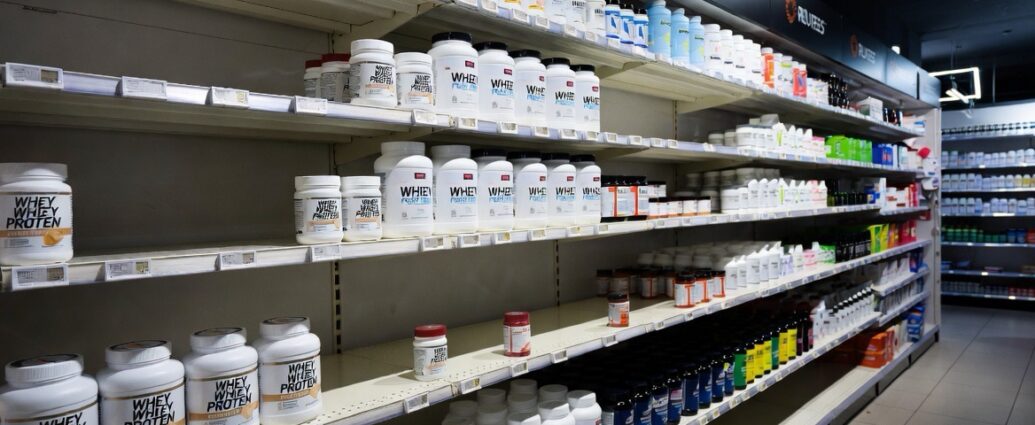
Chicago — Whey protein, the main ingredient in most protein powders and shakes, is in such short supply that some producers are sold out through the end of 2026, according to market data from the U.S. Department of Agriculture, dairy industry reports, and company earnings calls. Prices have climbed to record levels, squeezing manufacturers, retailers, gyms, and consumers who rely on protein products as part of their daily routines.
The numbers are striking. Standard whey powder prices have jumped more than 50% since the beginning of the year, according to DCA Market Intelligence. Whey protein concentrate containing 80% protein recently traded above $11 per pound, while whey protein isolate has climbed into the $12-per-pound range, according to USDA market reports. Both levels are historic highs.
For consumers, the impact is becoming impossible to miss. Protein powders that sold for $50 to $60 a few years ago are now approaching or exceeding $80 per container. Ready-to-drink shakes, protein bars, and other fortified foods are also becoming more expensive as manufacturers absorb or pass along higher ingredient costs.
The pressure is already showing up in corporate earnings reports. BellRing Brands, which owns Premier Protein and Dymatize, recently warned investors that whey prices have reached what CEO Darcy Davenport described as “historic highs.” The company said it is evaluating pricing actions while attempting to protect market share.
Other food manufacturers face similar challenges. Protein has become one of the fastest-growing categories in the grocery industry, and demand now stretches far beyond traditional gym users and athletes. Food companies increasingly market high-protein versions of yogurt, cereal, snacks, frozen meals, beverages, and even desserts.
According to the International Food Information Council, roughly 70% of Americans now say they are actively trying to increase their protein intake, up significantly from just a few years ago. That shift has dramatically increased demand for whey, which is prized because it contains all essential amino acids and is easily absorbed by the body.
The boom has been amplified by the rapid adoption of popular weight-loss medications such as Ozempic, Wegovy, and Mounjaro. Doctors and nutrition experts frequently recommend high-protein diets for patients taking those drugs because rapid weight loss can also lead to muscle loss.
As millions of Americans begin using those medications, demand for protein supplements has surged. Many consumers who previously paid little attention to protein are now actively seeking shakes, powders, and protein-rich foods as part of medically supervised weight-loss programs.
The shortage is not the result of a milk shortage. In fact, dairy production remains relatively healthy.
Instead, the bottleneck lies in processing capacity. Whey is produced as a byproduct of cheese manufacturing, but transforming raw whey into highly concentrated protein powders requires specialized filtration, purification, and drying facilities. Building those facilities requires significant capital investment and years of construction.
Industry executives say many existing plants are already operating near full capacity.
The dairy industry is investing aggressively to address the problem. According to the International Dairy Foods Association, more than $11 billion in new dairy processing projects have been announced across 19 states. Those investments are expected to increase production capacity substantially over the next several years.
However, most of those facilities will not begin producing meaningful new whey supplies until late 2026 or 2027, meaning current shortages are unlikely to disappear anytime soon.
The supply squeeze is hitting smaller businesses especially hard.
Large food companies often secure long-term contracts that guarantee access to whey supplies. Smaller supplement brands and startup food manufacturers frequently buy on the spot market, where prices have become far more volatile.
Some producers report being unable to obtain enough raw material to launch new products. Others have reformulated recipes to include plant-based proteins such as pea, soy, rice, or hemp protein.
Those alternatives may offer some relief, but many manufacturers and consumers still prefer whey because of its taste, texture, amino-acid profile, and performance benefits.
The shortage is also creating ripple effects internationally.
The United States is one of the world’s largest exporters of whey products. Buyers in China, which has historically imported significant quantities of American whey, have increasingly turned toward European suppliers as U.S. inventories tighten.
At the same time, European producers have retained more production for domestic markets, helping push prices higher overseas as well. Industry analysts describe the shortage as a global supply imbalance rather than a regional problem.
For retailers, higher whey costs create difficult decisions about pricing and inventory management. Some chains are reducing promotional discounts, while others are limiting orders on popular products to ensure adequate supply throughout the year.
Consumers may increasingly notice empty shelves, reduced package sizes, or higher prices across a wide range of protein products.
Nutrition experts note that protein powders remain only one source of dietary protein. Eggs, dairy products, poultry, fish, beans, and other whole-food options continue to provide affordable protein for many households.
Still, for fitness enthusiasts, athletes, and consumers seeking convenience, protein powders remain one of the easiest ways to increase daily protein intake.
Industry forecasts suggest relief is unlikely before late 2026 at the earliest. Until new processing plants come online, demand is expected to continue outpacing supply.
For consumers, that means protein products may remain expensive for the foreseeable future. For food companies, supplement makers, and dairy processors, the current shortage represents both a challenge and a major opportunity as one of the hottest categories in food continues to grow.
JBizNews Desk | New York
© JBizNews.com All Rights Reserved. Reproduction or distribution without written permission is prohibited.