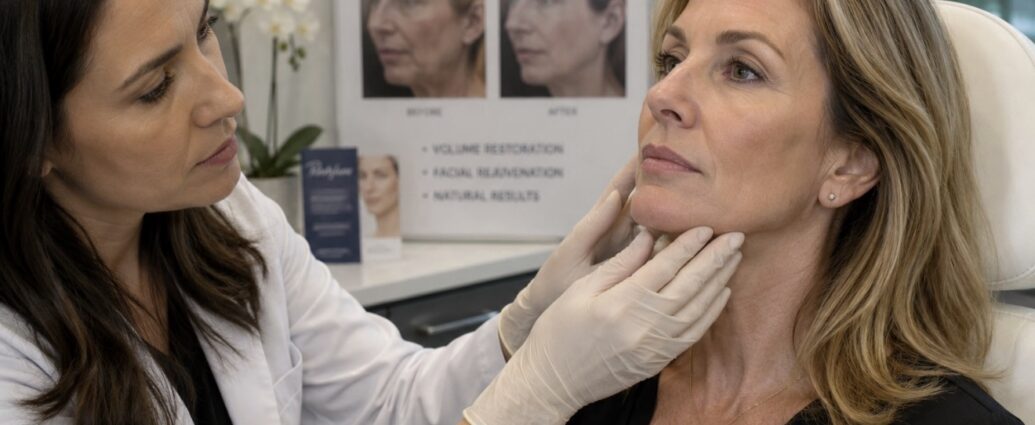
A side effect of the weight-loss drug craze is reshaping the cosmetic-surgery business, sending middle-aged Americans to the operating table years earlier than they once would have. According to a Fortune report published Wednesday, June 24, the phenomenon known as “Ozempic face” — the hollowed cheeks and sagging skin that can follow rapid weight loss on GLP-1 drugs — is driving a surge in demand for facelifts and fat-grafting procedures, particularly among Generation X.
The numbers point to a real shift. The American Academy of Facial Plastic and Reconstructive Surgery reported a 50% rise in fat-grafting procedures in 2024, with surgeons directly attributing much of the increase to patients seeking treatment for facial volume loss after taking weight-loss medications. Houston plastic surgeon Dr. Bob Basu told Fortune that the patient mix has changed dramatically: where facelifts were once mostly sought by people over age 60, he is now seeing far more patients in their 40s and 50s opting for surgical facial rejuvenation.
The cause is built into how the drugs work. Medications such as Ozempic and Wegovy produce rapid weight loss, and that loss doesn’t spare the face. Fat disappears from the cheeks, jawline and neck along with the rest of the body, leaving skin that once felt supported appearing loose, hollow and older. For many younger patients, the result is an aged appearance that fillers alone often cannot fully correct. As Dr. Basu explained, the significant volume loss frequently pushes patients toward surgery years earlier than they otherwise would have considered.
Generation X was already the dominant force in the aesthetics market before the GLP-1 boom, and the popularity of weight-loss drugs is accelerating that trend. According to the American Society of Plastic Surgeons, adults between the ages of 40 and 54 underwent nearly 11 million minimally invasive cosmetic procedures in 2024. They accounted for more than half of all neuromodulator injections, including Botox, Dysport and Daxxify, and represented nearly two out of every five surgical cosmetic procedures performed nationwide.
The economics also help explain the shift. Injectable treatments generally cost less upfront, with Botox averaging roughly $420 per session, but those treatments wear off within several months and require repeated visits indefinitely. Surgical procedures such as facelifts carry a much higher initial price tag, yet the results last significantly longer, making surgery more cost-effective over time for patients committed to maintaining their appearance.
For the medical aesthetics industry, the emergence of GLP-1 medications has created a powerful new growth engine layered on top of an already expanding market. Generation X drives spending on anti-aging treatments and beauty products and has reached its peak earning years. Industry analysts estimate the generation’s collective purchasing power will approach $23 trillion over the next decade, making it the highest-spending generation globally. Combined with rapid adoption of weight-loss medications, that financial strength has clinics, surgeons and medical spas expanding to meet rising demand.
The ripple effects extend well beyond plastic surgery. The explosive growth of GLP-1 medications has already transformed industries ranging from food manufacturers and beverage companies to fitness businesses and pharmaceutical suppliers. Cosmetic medicine is now becoming another major beneficiary, with physicians reporting increasing demand not only for facelifts but also for fat-transfer procedures, skin-tightening treatments and other facial rejuvenation services designed to restore lost volume after dramatic weight reduction.
Social media has accelerated the trend. Platforms including TikTok and Instagram have turned “Ozempic face” into a widely recognized phrase, with before-and-after videos and patient testimonials generating millions of views. That online exposure has increased public awareness of the side effect and prompted many people experiencing facial volume loss to seek consultations they may not otherwise have considered.
Medical professionals, however, continue to urge caution. Plastic surgeons emphasize that not everyone who loses weight on GLP-1 medications develops severe facial hollowing, and surgery is not always the appropriate solution. Many patients achieve satisfactory results with fillers, fat grafting or less invasive treatments, while others benefit simply from allowing their bodies time to stabilize after weight loss. Experts also stress that cosmetic decisions should be made in consultation with qualified, board-certified physicians rather than based on social-media trends or marketing campaigns.
For the business of beauty, however, the direction appears unmistakable. One of the world’s fastest-growing categories of prescription medications has unexpectedly created a booming new customer base for cosmetic surgeons. As millions more patients continue taking GLP-1 drugs to lose weight, the demand for procedures addressing facial aging may continue rising—turning an unwanted side effect into one of the fastest-growing segments of the global aesthetics industry.
JBizNews Desk © JBizNews.com All Rights Reserved. Reproduction or distribution without written permission is prohibited.