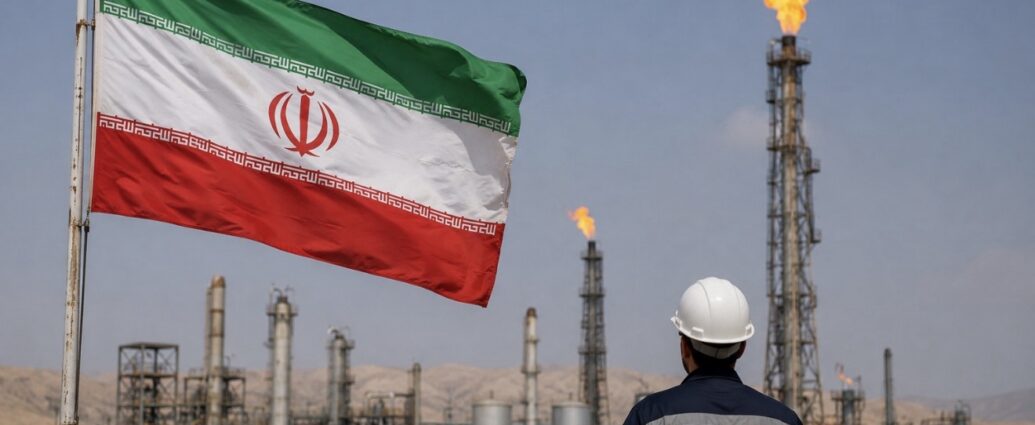
The Trump administration’s effort to unwind decades of sanctions on Iran has left banks, energy companies and foreign governments navigating a complex web of new permissions layered on top of longstanding restrictions, according to an analysis published Sunday, June 28, and the terms of the memorandum of understanding signed by President Donald Trump and Iranian President Masoud Pezeshkian on June 17. The agreement commits the United States to lifting various sanctions on Iran according to an agreed timetable while directing the U.S. Treasury Department to issue temporary waivers allowing Iranian oil and petroleum products to return to global markets as negotiations continue during a 60-day implementation period.
For businesses, the practical challenge is that the regulatory landscape is shifting rapidly. Iran has been one of the world’s most heavily sanctioned nations since the 1979 Islamic Revolution, with multiple layers of restrictions imposed over decades by successive administrations and Congress. Those measures were intentionally designed to be difficult to dismantle quickly. Washington is now attempting to reverse many of those restrictions as part of a broader effort to reopen the Strait of Hormuz, lower global energy prices and end a conflict that began on February 28.
The agreement itself remains far from complete. On Friday, Trump accused Iran of violating a fragile ceasefire, prompting fresh U.S. military strikes on Iranian targets. The 14-point memorandum leaves major unresolved issues—including the future of Iran’s enriched uranium stockpile—to negotiations that are expected to conclude within 60 days, with the possibility of extension by mutual agreement. Until a final accord is reached, many U.S. sanctions technically remain in force even as the Treasury Department authorizes certain Iranian oil transactions under temporary waivers.
That disconnect between existing law and temporary regulatory relief has created significant uncertainty for the financial sector. Banks, in particular, are expected to move cautiously. Michael Huneke, a trade and national security attorney at Morgan, Lewis & Bockius, said financial institutions typically adopt a far more conservative approach than their corporate clients whenever sanctions programs begin changing.
The caution reflects painful experience. Major international banks have paid billions of dollars in penalties over sanctions violations involving Iran and other sanctioned nations. Financial institutions understand that moving too aggressively before sanctions are fully lifted could expose them to substantial legal and financial risk.
Another major uncertainty lies in Washington. The Iran Nuclear Agreement Review Act of 2015 requires congressional review of nuclear agreements involving Iran. The law was enacted following the Obama administration’s 2015 nuclear accord, an agreement that Trump withdrew from during his first term. The administration maintains that its current framework is significantly tougher, arguing that any sanctions relief will remain tied to Iran’s compliance with future nuclear commitments.
The economic implications extend well beyond diplomacy. The current framework allows the Treasury Department to issue waivers covering Iranian crude oil, petroleum products and the banking, insurance and shipping services needed to move those exports. If additional Iranian oil reaches world markets while the Strait of Hormuz remains open, increased supply could place downward pressure on global energy prices, benefiting consumers, manufacturers, airlines and transportation companies.
The reported framework also outlines a proposed $300 billion reconstruction and development initiative for Iran, to be financed with regional partners if a comprehensive agreement is ultimately reached. That figure illustrates the enormous commercial opportunities that could emerge should sanctions eventually be lifted on a permanent basis.
For now, however, most companies are expected to remain on the sidelines. Banks, insurers, shipping companies, refiners and multinational corporations must weigh potential business opportunities against significant legal uncertainty and the continuing risk of renewed military conflict.
Trump has warned that the United States could resume military action if Iran fails to meet its commitments, meaning companies that enter the Iranian market early are betting not only on regulatory approvals but also on the durability of an already fragile ceasefire.
The potential rewards are significant. Iran possesses one of the world’s largest energy reserves and represents a market that has been largely closed to Western businesses for decades. Yet the risks remain equally substantial. Until the legal framework becomes clearer and negotiations conclude, many companies are expected to wait rather than risk violating sanctions that technically remain on the books.
JBizNews Desk | New York
© JBizNews.com All Rights Reserved. Reproduction or distribution without written permission is prohibited.