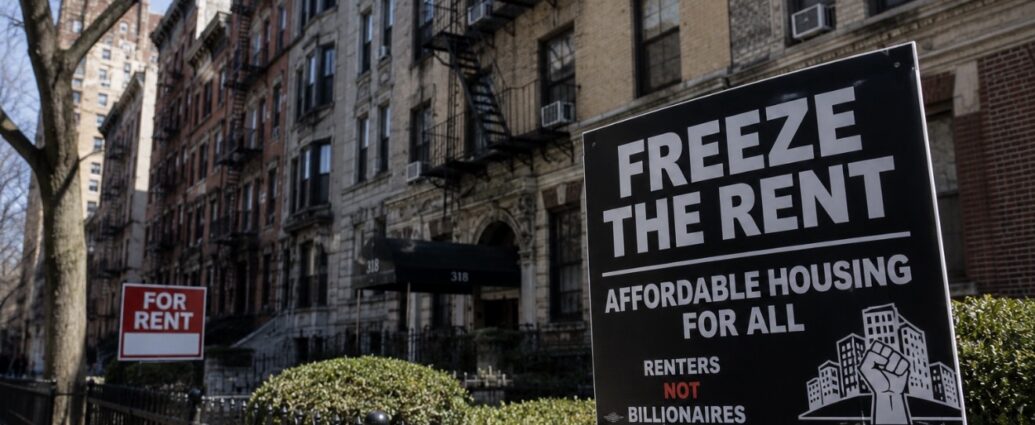
The New York City Rent Guidelines Board voted Thursday night to freeze rents on roughly 1 million rent-stabilized apartments for the next two years, handing Mayor Zohran Mamdani one of the signature victories of his young administration.
The 7-1 vote marks the first two-year rent freeze in the board’s history and fulfills one of Mamdani’s central campaign promises. The mayor appointed six of the board’s nine members.
The decision applies to rent-stabilized apartments in buildings with six or more units built before 1974, along with apartments receiving certain tax incentives or subsidies. The freeze covers leases beginning between October 1, 2026, and September 30, 2027.
Roughly 2 million New Yorkers live in rent-stabilized housing, representing about 40% of the city’s housing stock. For tenants who have faced years of rising rents, the decision offers immediate financial relief.
“Freeze the rent” became one of the defining messages of Mamdani’s mayoral campaign, and he called the board’s decision “a historic victory for New York City tenants,” saying it reflected both financial data and extensive public testimony.
Landlords see the situation very differently.
The Real Estate Board of New York warned the decision would worsen the city’s housing crisis, while the New York Apartment Association argued the freeze comes as building owners continue absorbing higher insurance premiums, labor costs, utility bills, and maintenance expenses. According to the board’s own research, operating costs for landlords increased 5.3% over the past year.
The larger concern is the long-term condition of the city’s housing stock.
With rents frozen while expenses continue climbing, owners of older rent-regulated buildings have fewer financial resources available for repairs and renovations. State records show the number of rent-stabilized apartments registered as vacant increased from roughly 49,000 in April 2024 to more than 57,000 one year later, reflecting situations where renovation costs exceed the rental income landlords are legally allowed to collect.
When restoring an apartment no longer makes financial sense, many owners simply leave units vacant, reducing the overall supply of affordable housing.
This freeze carries greater consequences than previous ones because of changes made to New York’s rent laws in 2019, which eliminated many opportunities for landlords to increase rents after apartments became vacant. Earlier rent freezes under former Mayor Bill de Blasio applied only to one-year leases. Thursday’s action represents the first freeze ever covering two-year leases.
Housing analysts also warn about broader market effects. Rent freezes function as price controls that benefit existing tenants but may discourage investment in rental housing while pushing more prospective renters into the city’s unregulated market, where competition can drive prices even higher.
The vote itself was dramatic.
Hours before the meeting, landlord representative Christina Smyth resigned from the board, arguing it had stopped functioning as an independent fact-finding body and had predetermined its outcome. The New York Apartment Association has already indicated it is exploring legal action against the decision.
For tenants, the vote provides certainty during a period of rising housing costs that remain the largest monthly expense for most households.
For property owners, however, the central economic question remains unresolved: whether aging apartment buildings can continue receiving the investment necessary to remain safe, occupied, and financially sustainable while rental income remains frozen.
Mayor Mamdani has pledged to help reduce operating costs for landlords through lower insurance expenses and expanded housing construction.
Whether those efforts will be enough to preserve New York’s aging rent-stabilized housing stock—or whether the freeze accelerates building deterioration—will shape the city’s housing market for years to come.
JBizNews Desk
© JBizNews.com All Rights Reserved. Reproduction or distribution without written permission is prohibited.