A coalition of major business organizations led by the U.S. Chamber of Commerce is urging Congress to reject a proposal that would prohibit certain Pentagon contractors from repurchasing their own stock while receiving large Defense Department contracts.
The debate comes as lawmakers consider the annual defense authorization bill, where more than 1,300 amendments have been submitted for consideration.
The proposal, introduced by Rep. Chris Deluzio of Pennsylvania and Rep. John Garamendi of California, would apply to defense contractors receiving more than $100 million annually from the Pentagon and earning the majority of their revenue from Defense Department contracts.
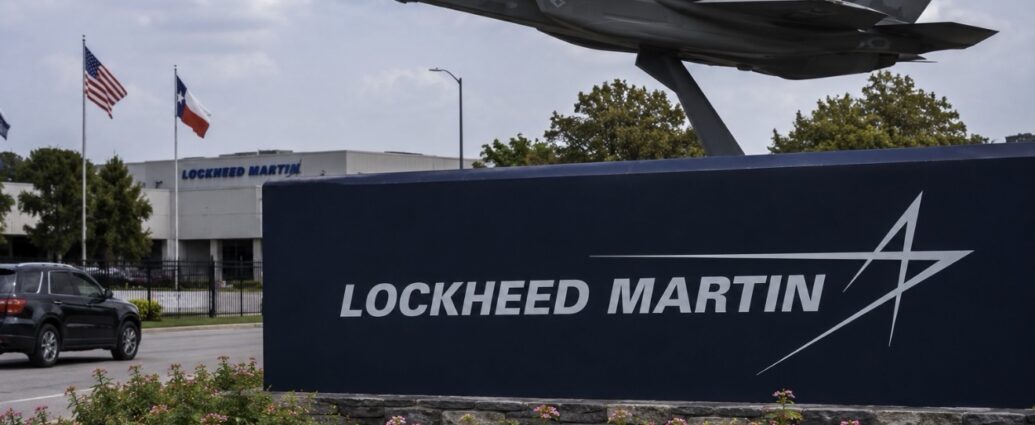
Companies covered by the restriction—including firms such as Lockheed Martin, Boeing, and Northrop Grumman—would be prohibited from conducting stock buybacks unless they obtained a government waiver.
More than 20 business organizations, including the U.S. Chamber of Commerce, the Business Roundtable, and the Aerospace Industries Association, have formally urged lawmakers to reject the amendment.
In a letter to the House Rules Committee, the organizations argued the proposal would represent an unprecedented expansion of federal authority into corporate governance and capital-allocation decisions.
They warned the restriction could discourage companies from competing for government contracts, reduce returns for investors, and impose additional compliance costs at a time when policymakers are trying to strengthen the nation’s defense industrial base.
Supporters of the proposal point to the industry’s spending priorities.
They note that the five largest U.S. defense contractors have reportedly spent more than $100 billion on stock buybacks and dividends since 2020—more than twice the amount invested in capital expenditures during the same period.
Supporters argue taxpayer dollars should be directed toward expanding manufacturing capacity, improving production, and delivering military equipment more quickly rather than supporting shareholder returns.
Senator Elizabeth Warren has argued that stock buybacks primarily increase share prices and executive compensation rather than strengthening national defense.
Representative Garamendi has similarly said taxpayers should not finance large shareholder payouts while the Pentagon continues struggling with production delays and cost overruns.
The proposal has also received support from some Republicans.
Earlier this year, President Donald Trump signed an executive order declaring that major defense contractors should not conduct stock buybacks or pay dividends until they consistently deliver products on time, on budget, and at the highest quality standards.
Defense Secretary Pete Hegseth echoed that position, saying the Pentagon’s responsibility is to America’s warfighters rather than Wall Street investors.
The Senate has advanced an even broader version of the proposal, backed by Senators Elizabeth Warren, Josh Hawley, and Mike Lee, that would prohibit certain defense contracts with companies conducting buybacks or dividend payments unless federal waivers are granted.
The debate reflects an unusual political coalition.
Progressive Democrats, populist Republicans, and the Trump administration have found common ground in criticizing defense contractors’ use of shareholder payouts while calling for expanded weapons production.
For defense companies, the financial stakes are significant.
Stock buybacks allow corporations to repurchase their own shares, often boosting earnings per share and shareholder value, while dividends provide direct cash payments to investors.
Several major defense firms have indicated they may temporarily reduce buyback activity while maintaining dividend payments. Analysts note that any reduction in dividends could send a negative signal to investors who view defense stocks as reliable income-producing investments.
The proposal’s immediate future now rests with the House Rules Committee before eventual negotiations between the House and Senate.
Because similar language has already advanced through the Senate Armed Services Committee with bipartisan support, business groups believe the measure has a realistic path toward becoming law.
The outcome could ultimately reshape how some of America’s largest defense contractors balance shareholder returns with government expectations as Washington increasingly scrutinizes how taxpayer dollars are used.
JBizNews Desk
© JBizNews.com All Rights Reserved. Reproduction or distribution without written permission is prohibited.