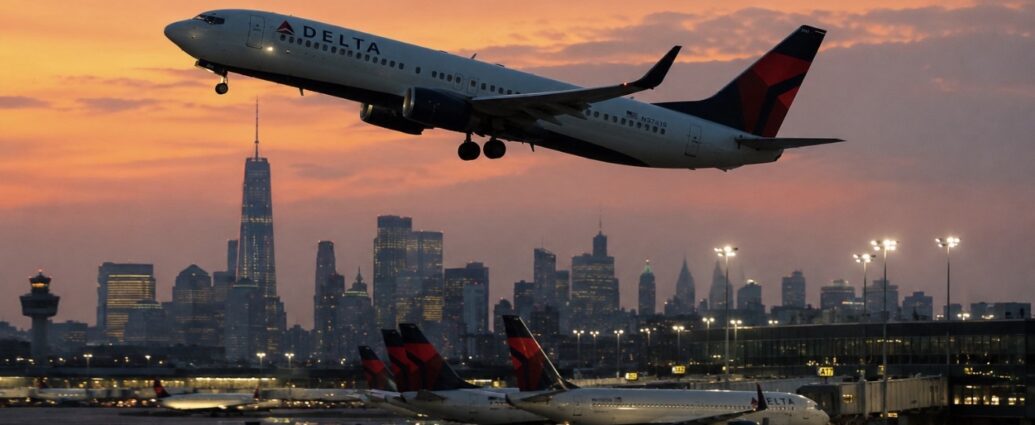
Spot jet fuel prices have fallen about 40% from their April peak, according to data from Airlines for America, the airline industry’s trade association. But despite the sharp decline in one of their largest operating costs, major U.S. airlines say they have little intention of lowering ticket prices as demand for travel remains strong.
Speaking to investors this spring, Delta Air Lines Chief Executive Ed Bastian said fares are currently at the “right level,” signaling that lower fuel costs will not necessarily translate into cheaper airfare for consumers.
For travelers planning summer vacations, the numbers tell the story.
According to the Bureau of Labor Statistics, airfares were nearly 27% higher in May than a year earlier. Average ticket prices climbed to roughly $1,105 in early May before easing to about $980 in June, but they remain significantly above last year’s levels.
Fuel typically accounts for 20% to 25% of an airline’s operating expenses. The Argus U.S. Jet Fuel Index stood near $2.91 per gallon late last week—down sharply from April’s highs but still above prices seen earlier this year.
So why haven’t ticket prices followed fuel costs lower?
The answer is simple: supply and demand.
Airlines reduced flight schedules earlier this year when fuel prices surged, leaving fewer seats available during the busy summer travel season. At the same time, leisure travel has remained resilient, allowing carriers to maintain elevated pricing.
Independent energy analyst Tom Kloza said lower fuel prices resulted partly from airlines reducing flights, which lowered demand for jet fuel, while U.S. refineries simultaneously increased production to capitalize on earlier high prices.
Airline executives have been unusually direct about their pricing strategy.
United Airlines Chief Commercial Officer Andrew Nocella told investors that the longer travelers continue paying today’s fares, the more likely those higher prices become permanent.
Aviation analyst Michael Boyd offered an even simpler explanation: if customers continue buying tickets at current prices, airlines have little incentive to reduce them.
Additional fees appear even less likely to fall.
Industry analyst Zach Griff, publisher of the aviation newsletter From the Tray Table, said baggage fees and other ancillary charges are expected to remain elevated regardless of fuel costs because they have become an increasingly important source of airline revenue.
Some seasonal relief may arrive later this year.
Historically, airfare declines after the peak summer travel season ends, although analysts expect fall ticket prices to remain above last year’s levels despite lower fuel costs.
Airlines also argue they are still recovering from an extraordinarily difficult first half of the year.
A global jet-fuel supply crunch tied to tensions involving the United States and Iran drove operating costs sharply higher earlier this year, forcing carriers to cut flights and absorb higher expenses. According to the Bureau of Transportation Statistics, U.S. airlines collectively lost approximately $1 billion during the first quarter of 2026.
Although fuel prices have retreated, the supply chain has not fully normalized. Shipping through the Strait of Hormuz remains constrained, and aviation analysts say global fuel markets could require months to stabilize completely.
For travelers, the lesson is straightforward.
Falling oil or jet-fuel prices do not automatically lead to lower ticket prices. Airlines continue pricing flights based primarily on demand, available capacity, and overall profitability rather than daily fuel costs.
For now, travelers looking to save money are more likely to find lower fares by flying during off-peak periods later this year than by waiting for airlines to pass fuel savings along to consumers.
JBizNews Airlines Desk
© JBizNews.com All Rights Reserved. Reproduction or distribution without written permission is prohibited.