
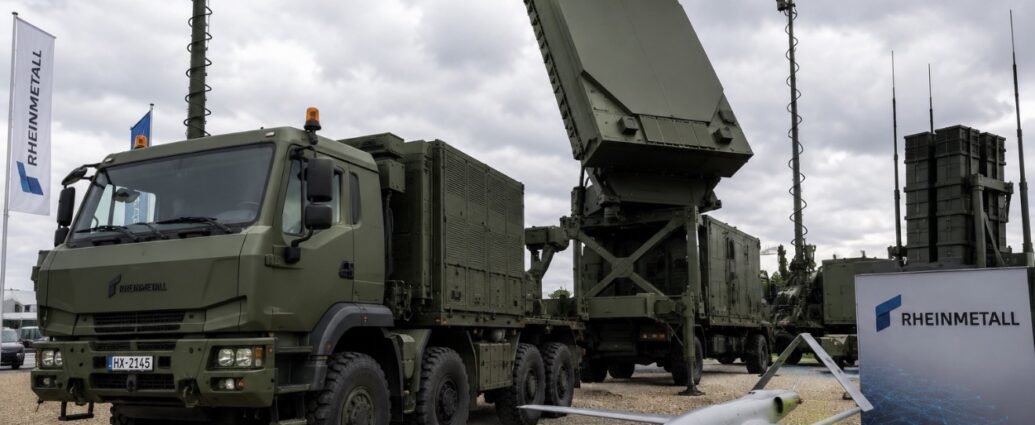
According to comments made Monday, July 6, by Panmure Liberum strategist Joachim Klement during CNBC’s Squawk Box Europe, investors are beginning to view parts of the defense industry less like traditional weapons manufacturers and more like technology companies. The shift reflects the growing importance of electronic warfare, artificial intelligence, advanced software, drones and next-generation battlefield systems in modern military operations.
For decades, defense contractors were valued primarily on their long-term government contracts, predictable cash flow and large backlogs of aircraft, ships, missiles and armored vehicles. Today, analysts say the industry’s fastest-growing opportunities are increasingly centered on technology rather than conventional hardware.
“Electronic warfare is a tech phenomenon,” Klement said during the interview, arguing that companies developing advanced software, electronic surveillance, communications systems and autonomous technologies deserve higher valuations than traditional defense manufacturers.
The comments come as defense spending continues rising around the world. Governments across Europe, North America and Asia are committing billions of dollars to modernize their militaries following growing geopolitical tensions and ongoing conflicts. Those investments are creating new opportunities for companies developing advanced military technology while also supporting established defense contractors with large order backlogs.
Investors have responded by pouring money into the sector. Shares of several major defense companies have climbed sharply over the past several years as governments increased military budgets and accelerated procurement programs. While traditional manufacturers continue benefiting from demand for aircraft, missiles and defense systems, companies with strong exposure to artificial intelligence, drones, cybersecurity and electronic warfare have attracted growing investor interest.
Analysts say the nature of warfare itself is changing. Modern conflicts increasingly rely on real-time intelligence, satellite communications, unmanned aircraft, electronic jamming, cyber capabilities and software-driven command systems. Those technologies often evolve much faster than conventional military platforms and require continuous innovation rather than decades-long production cycles.
Klement also noted that investors are becoming more selective when evaluating defense companies. Rather than treating every contractor as a beneficiary of higher military spending, investors are paying closer attention to where governments are directing new funding. Businesses positioned in rapidly growing technology segments may receive higher valuations than companies focused primarily on legacy defense programs.
He pointed to the cancellation of certain large defense programs in Europe as an example of how changing military priorities can reshape industry expectations. Even with rising defense budgets, governments continue reviewing projects to ensure they align with future operational needs and evolving battlefield requirements.
Another factor influencing recent trading has been the broader technology sector. According to Klement, some recent weakness in defense shares reflected investment flows moving into artificial intelligence-related stocks rather than deteriorating business fundamentals. Portfolio managers continue balancing exposure across sectors while seeking companies positioned to benefit from long-term technology trends.
For investors, the distinction matters. Traditional defense companies often trade based on predictable earnings and government contracts. Technology-focused defense firms may command higher valuations because of faster expected growth, recurring software revenue and continued innovation.
The broader business implications extend beyond defense. Increasing collaboration between aerospace, software developers, semiconductor companies, communications providers and artificial intelligence firms is creating new opportunities across multiple industries. As governments invest in advanced defense technologies, suppliers throughout those ecosystems also stand to benefit.
Industry observers expect defense modernization to remain a major theme over the coming decade. Whether developing autonomous systems, electronic warfare capabilities, advanced sensors or secure communications, companies delivering next-generation technologies are expected to play a growing role in military procurement.
For business leaders and investors, the message is clear: the defense industry is no longer defined solely by tanks, ships and fighter jets. Increasingly, it is being driven by software, data, artificial intelligence and electronic systems, changing how Wall Street values the companies shaping the future of national security.
JBizNews Desk | London
© JBizNews.com All Rights Reserved. Reproduction or distribution without written permission is prohibited.




