The global pharmaceutical industry is experiencing one of its busiest acquisition periods in years, with drug manufacturers announcing roughly $134 billion in mergers and acquisitions during the first half of 2026, according to PitchBook and other industry trackers. The wave of deals has already surpassed the value of all pharmaceutical acquisitions completed during 2025 and reflects an industry racing to replace future revenue before some of its biggest blockbuster medicines lose patent protection.
The acquisition surge has produced more than 30 billion-dollar transactions during the first six months of the year, making 2026 one of the strongest years for pharmaceutical dealmaking in recent memory.
Driving the activity is what industry executives call the “patent cliff.”
Over the next several years, patents protecting many of the world’s highest-selling medicines will expire, allowing lower-cost generic drugs and biosimilars to enter the market. Once exclusivity ends, pharmaceutical companies often see billions of dollars in annual revenue disappear as competition quickly drives prices lower.
Rather than relying solely on internal research, many companies are choosing to purchase promising biotechnology firms already developing the next generation of treatments.
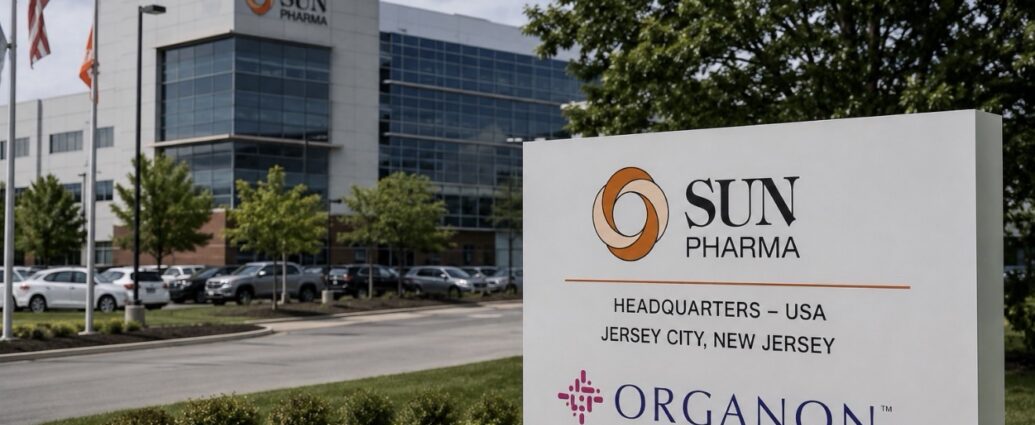
One of the year’s largest transactions involves Sun Pharmaceutical Industries, which agreed to acquire Organon, headquartered in Jersey City, New Jersey, in an approximately $11.75 billion deal. The acquisition strengthens Sun Pharma’s global presence while adding an established portfolio of women’s health and specialty medicines.
The New Jersey connection highlights the state’s continued importance as one of the world’s leading pharmaceutical hubs.
Often called the “Medicine Chest of the World,” New Jersey remains home to numerous major pharmaceutical companies, biotechnology firms and research facilities. Large transactions involving New Jersey-based companies continue reinforcing the state’s central role in global life sciences.
Several other major acquisitions have reshaped the industry this year.
AbbVie announced a multibillion-dollar acquisition of Apogee Therapeutics, expanding its immunology pipeline as it prepares for future competition facing some of its largest products. GSK, Merck and Eli Lilly have also completed or announced significant acquisitions designed to strengthen future drug portfolios across cancer treatments, immunology, obesity therapies and neurological diseases.
The obesity market has become one of the industry’s hottest areas.
Growing demand for GLP-1 weight-loss medications has triggered intense competition among pharmaceutical companies seeking new treatments capable of competing in what analysts expect to become one of healthcare’s largest markets. More than one hundred experimental obesity medicines remain under development worldwide, making biotechnology companies attractive acquisition targets.
Cancer treatments continue attracting significant investment as well.
Many recent acquisitions involve companies developing next-generation oncology drugs, targeted therapies and precision medicine technologies that pharmaceutical giants hope will replace revenue from older medicines approaching patent expiration.
For patients, the acquisition wave carries both opportunities and concerns.
Large pharmaceutical companies often possess the financial resources, manufacturing capacity and global distribution networks necessary to bring promising medicines through final clinical trials and regulatory approval. Acquisitions can therefore accelerate commercialization of new therapies that smaller biotechnology firms might struggle to develop independently.
At the same time, healthcare economists caution that continued industry consolidation could reduce competition in some therapeutic areas and potentially influence long-term drug pricing if fewer companies control larger portions of the market.
The broader business implications are equally significant.
Biotechnology startups continue attracting billions of dollars in venture capital investment because successful innovation increasingly leads to acquisition by larger pharmaceutical manufacturers. That cycle continues fueling research into treatments for cancer, Alzheimer’s disease, autoimmune disorders and other major health conditions.
Industry analysts expect acquisition activity to remain strong throughout the remainder of 2026 as pharmaceutical companies continue preparing for upcoming patent expirations. With substantial cash reserves still available across many major drug manufacturers, observers believe additional multibillion-dollar transactions remain likely before year-end.
For consumers, today’s corporate acquisitions may ultimately determine tomorrow’s medicines. Many of the treatments expected to reach pharmacies later this decade are changing hands today, making this historic buying spree one of the pharmaceutical industry’s most consequential periods in years.
JBizNews Desk | Jersey City, N.J.
© JBizNews.com All Rights Reserved. Reproduction or distribution without written permission is prohibited.