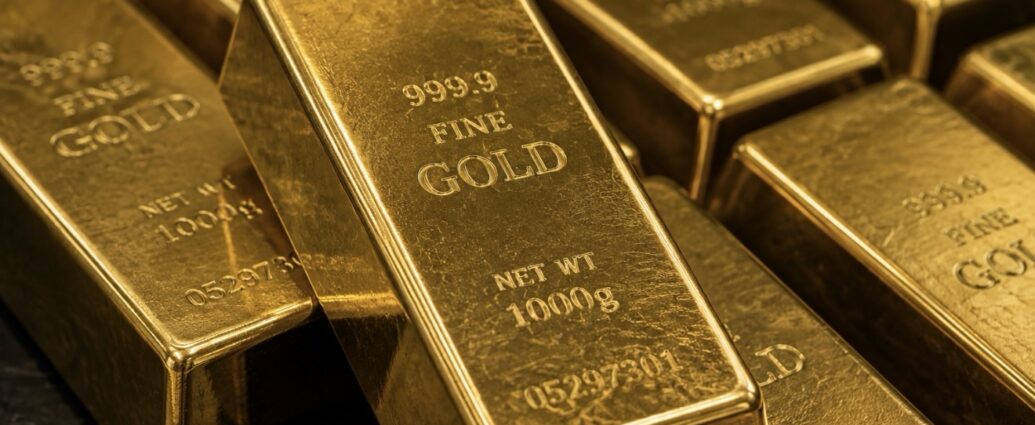
According to a July 2026 research note from J.P. Morgan, gold’s historic bull run has stalled, and Wall Street is now arguing over how much further the metal can fall. As of early July, gold traded near $4,100 an ounce — down about 29% from the record of roughly $5,590 it set in late January, its worst stretch in years. Greg Shearer, head of base and precious metals at J.P. Morgan, described the metal as stuck in a “technical no-man’s land,” caught between buyers and sellers with neither side willing to commit.
The reversal has been swift. Gold slipped below the $4,000 mark in late June for the first time since November 2025, capping a four-month pullback. That is a sharp turn for an asset that gained 66% in 2025 and kept climbing into January, powered by geopolitical fear, trade uncertainty and worries about the independence of the Federal Reserve.
What changed is the outlook for interest rates. Under Fed Chair Kevin Warsh, markets have shifted from expecting rate cuts to bracing for possible hikes, driven partly by energy-fueled inflation from the Middle East conflict. Higher rates and a stronger dollar hurt gold, which pays no interest, because investors can earn more holding cash or Treasuries instead. At the same time, an easing of some Middle East tensions and a rush back into technology and AI stocks pulled money out of safe-haven assets.
Central banks, long the backbone of gold’s rise, also stepped back. After buying at a torrid pace for years, official institutions turned into net sellers early in 2026. Türkiye alone sold about 60 tons in March, and net reported purchases slowed sharply in the first quarter, according to World Gold Council data.
The bears now have the momentum. Analysts at OCBC Bank expect prices to keep drifting lower into year-end on rising Treasury yields and a firm dollar. Technical traders point to the break below $4,000 as a warning that the easy money has been made.
But plenty of big names still see the sell-off as a pause, not an ending. J.P. Morgan maintains a year-end target near $6,000 an ounce. UBS told clients gold could recover toward $5,200 over the next year, calling the drop a buying opportunity. Goldman Sachs has kept a target around $5,400. Their case rests on the same long-term forces that drove the rally: heavy government debt, central-bank diversification away from the dollar, and lingering geopolitical risk. Strategists at Barclays argued that even with screens flashing “overvalued,” a durable premium above the metal’s roughly $4,000 fair value suggests this is not a bubble bursting.
For everyday investors, the swing matters more than the Wall Street debate. Gold sits in millions of retirement accounts and exchange-traded funds as portfolio insurance, and the past few months are a reminder that even so-called safe assets can drop hard and fast. For gold-mining companies, stabilizing prices around current levels would still leave healthy margins for low-cost producers, supporting jobs and cash flow, while a deeper slide would squeeze weaker miners and stall new projects.
Notably, even after the correction, gold remains one of the better-performing assets of 2026, still ahead for the year. The next moves will hinge on the Fed’s late-July meeting, fresh inflation data and whether central banks return as buyers. For now, the metal that spent two years defying gravity is finally testing where the floor is.
JBizNews Desk | New York
© JBizNews.com All Rights Reserved. Reproduction or distribution without written permission is prohibited.