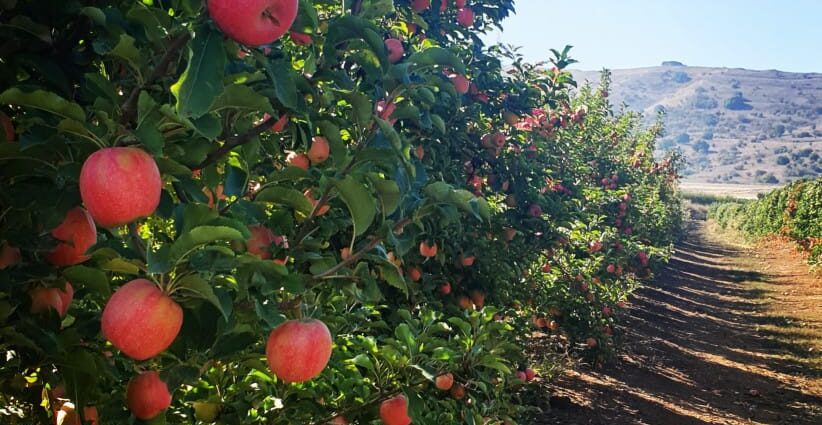
An apple in a child’s lunchbox is still a good choice. Cherries, peaches, and apricots can also be part of a healthy diet. But inside some of the sweetest fruits hides a chemical defense mechanism the plant developed for itself, and it is found precisely in the part most of us are not supposed to eat: the seed or pit.
The main substance is called amygdalin. It belongs to a group of cyanogenic glycosides, natural compounds found in the seeds of several fruits from the rose family. When a seed is chewed, ground, or crushed, amygdalin can be released and broken down, eventually producing a small amount of cyanide. Cyanide is a known and dangerous poison that impairs the cells’ ability to use oxygen.
Here it is very important to be precise. Eating a whole apple is not dangerous. Even if a child accidentally swallows one or two apple seeds without chewing them, in most cases the seeds will pass through the digestive system without breaking down in any significant amount. The problem is not accidental swallowing, but deliberate chewing, crushing, or grinding of a large quantity of seeds.
Apricot seeds contain a higher concentration of amygdalin, which is why they have drawn special medical attention. For years, apricot seeds or amygdalin extracts have been sold in different places around the world with false promises of treating cancer. This is a dangerous and unsupported claim, which could expose people to cyanide poisoning instead of real medical treatment.
Symptoms of cyanide poisoning can include headaches, dizziness, confusion, nausea, vomiting, shortness of breath, weakness, seizures and, in severe cases, loss of consciousness. These are rare in the context of ordinary fruit, but they are possible after unusual consumption of crushed seeds or dubious supplements. Children are especially sensitive because of their lower body weight.
Pits must be removed before giving fruit to children
The guidance for parents is simple: there is no need to remove apples from the house, but children should be taught not to chew seeds or crack pits. In cherries, apricots, and peaches, the pits should be removed before serving them to young children, both because of the choking risk and because of amygdalin. In toddlers, round and hard fruits require age-appropriate cutting.
There is also a cautionary point for adults. People who make smoothies, purees, liqueurs, or homemade jams should not grind fruit pits into food. Seeds are not a health supplement. They do not “cleanse the body,” do not strengthen the immune system, and are not a natural treatment for disease. They are part of the fruit meant to stay off the plate.
There is also a difference between a small apple seed and the hard pit of an apricot or peach. The large pit has a hard shell and an inner kernel. Some people crack it open and eat the inner kernel, and that is where the risk is greater. The more crushed the seed is, the more available the active substance is for breakdown.
Not every natural thing is good for you
The health message should be balanced. Fruit is a recommended food. It provides fiber, water, vitamins and polyphenols, and contributes to a varied diet. There is no reason to turn apples into a danger. But there is reason to stop treating every part of a plant as edible just because it is natural.
If a child chewed a large number of seeds or ate crushed apricot seeds, and symptoms such as vomiting, weakness, unusual sleepiness, dizziness, or difficulty breathing appear, medical advice or contact with a poison center should be sought immediately. In most cases of accidental swallowing, there is no need to panic, but when in doubt, it is better to ask.
The fruit remains healthy. The seed, on the other hand, is meant to protect the plant, not nourish us. Sometimes the line between food and poison lies exactly in the tiny part we are used to throwing away.