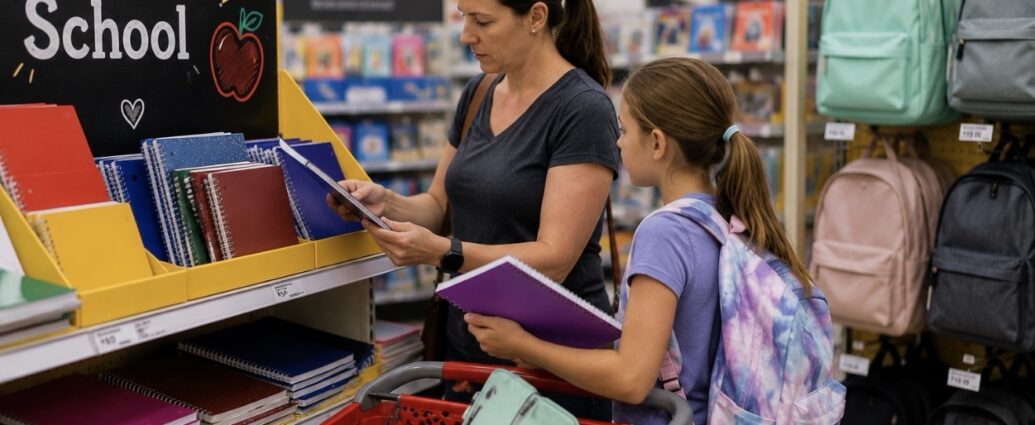
America’s highest-income households are planning to spend less on back-to-school shopping this year, a sign that inflation and economic uncertainty are beginning to influence even consumers who have largely powered retail spending in recent years. According to Deloitte’s 2026 Back-to-School Survey, parents earning more than $200,000 annually expect to spend 20% less than they did last year, while 63% of those households say they simply have less money available for school-related purchases.
Across all income levels, spending is expected to remain relatively stable at approximately $30.4 billion, or about $557 per K-12 student, just $13 less than last year. However, after adjusting for inflation, Deloitte estimates overall purchasing power will decline by roughly 6%, meaning families will likely bring home fewer goods despite spending nearly the same amount.
The survey, conducted in late May among more than 1,200 parents, found growing concern about the broader economy. Approximately 57% of respondents expect economic conditions to worsen over the next six months, the highest level of pessimism recorded since 2020.
Those concerns are changing shopping habits. Parents expect to reduce spending on technology purchases by approximately 16%, delaying laptop, tablet and other electronics upgrades, while increasing spending on clothing by roughly 22% as children outgrow last year’s wardrobes. About half of all parents surveyed said they plan to reduce discretionary spending—including dining out and entertainment—to make room in their household budgets for school expenses.
Consumers are also becoming more strategic shoppers. Many families plan to delay purchases until closer to the start of the school year in hopes of finding deeper discounts. Brian McCarthy, a Retail Strategy Principal at Deloitte Consulting, said parents are approaching the season far more deliberately, carefully evaluating where every dollar is spent.
The pullback among higher-income households may be the survey’s most significant finding. Wealthier consumers have largely sustained retail sales over the past several years, supported by strong stock market gains and rising home values even as lower-income families struggled with higher prices. If those households are beginning to reduce discretionary spending as well, retailers may face broader demand challenges heading into one of the industry’s most important shopping seasons.
The changing spending mix also presents challenges for retailers. Electronics generally carry higher profit margins than apparel, meaning a shift toward clothing combined with increased bargain hunting and delayed purchases could pressure profitability for many chains. Major retailers including Walmart, Target, department stores and electronics sellers will likely compete aggressively for value-conscious shoppers throughout the season.
For businesses, back-to-school shopping often serves as an early indicator of broader consumer confidence heading into the important holiday shopping season. If households across multiple income levels continue becoming more cautious, retailers may face additional pressure during the second half of the year despite relatively healthy employment and wage growth.
While American consumers continue spending, Deloitte’s survey suggests they are becoming increasingly selective about where those dollars go. With inflation still weighing on household budgets and economic uncertainty remaining elevated, retailers may need to rely more heavily on promotions, discounts and value-focused marketing to attract shoppers throughout the remainder of 2026.
JBizNews Desk | New York
© JBizNews.com All Rights Reserved. Reproduction or distribution without written permission is prohibited.