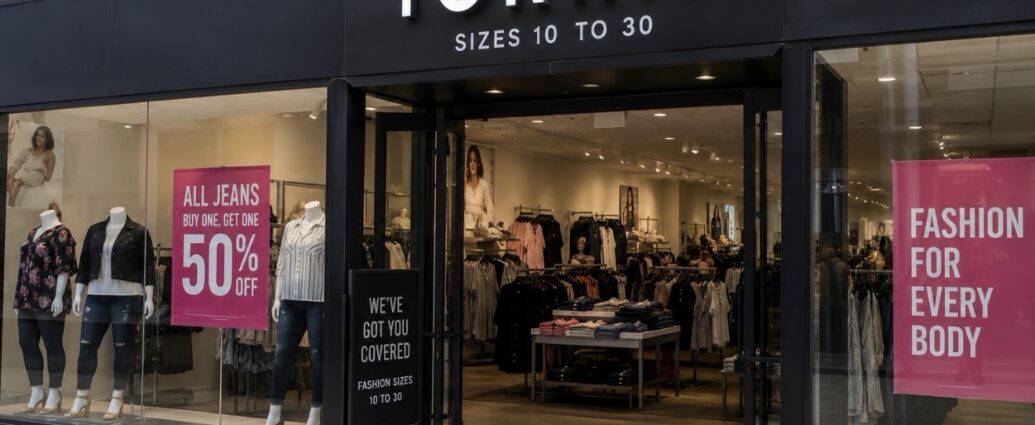
The rapid growth of weight-loss drugs such as Ozempic and Wegovy is beginning to reshape the retail industry, with one of the biggest effects showing up in the plus-size clothing market.
Torrid, one of the nation’s largest plus-size apparel retailers, reported that net sales fell 7.6% to $245.8 million during its latest quarter ended May 2. At the same time, the company reduced its store count to 463 locations, down from 632 stores a year earlier—a decline of nearly 27%.
Company leaders say the closures are part of a broader restructuring plan, but the changing shopping habits of customers taking GLP-1 weight-loss medications are adding new pressure to the business.
These medications suppress appetite and can lead to significant weight loss over time. As consumers move through that transition, many are delaying clothing purchases until their weight stabilizes.
Harvey Kanter, chief executive of plus-size retailer DXL Group, recently told investors that as many as 25% of the company’s customers may now be using GLP-1 medications.
Rather than repeatedly purchasing clothing in different sizes while losing weight, many customers are waiting before replacing their wardrobes.
That pause has created a temporary drop in demand across the plus-size apparel sector.
Torrid closed 151 stores during 2025 and has announced plans to shutter additional locations during the first half of 2026, focusing on stores with weaker financial performance.
DXL has experienced similar challenges, reporting a 6% decline in quarterly sales while also planning additional store closures.
According to CoreSight Research, retail store closures across all sectors increased 67% during 2025 compared with the previous year, with specialty apparel retailers among the hardest hit.
The trend is also influencing major clothing brands.
Companies including H&M, Nike, Old Navy, L.L. Bean, Ralph Lauren and Shein have reduced portions of their extended-size offerings as they adjust inventory to changing consumer demand.
Still, analysts caution that the plus-size market remains substantial.
Industry estimates value the global plus-size apparel market at more than $114 billion, with continued long-term growth expected despite the short-term disruption.
Many retailers also believe today’s slowdown could become tomorrow’s opportunity.
Once customers complete significant weight loss, they often need entirely new wardrobes.
Research from Dentsu found that roughly half of Americans using GLP-1 medications report shopping for clothing more frequently after losing weight, while nearly one-third purchase more accessories.
Analysts at eMarketer estimate that wardrobe replacement alone could eventually generate approximately $13 billion in additional annual apparel sales.
The challenge for retailers is surviving the transition period before that new demand arrives.
Torrid continues to invest in digital sales, new product lines and brand expansion while reducing underperforming locations.
The company ended its latest quarter with approximately $301 million in debt and $22.8 million in cash, underscoring the importance of improving profitability during the restructuring.
For consumers, the changes may mean fewer dedicated plus-size stores and a smaller selection of extended sizes at traditional retailers.
For investors and the retail industry, the broader story is becoming increasingly clear.
Weight-loss medications are beginning to influence purchasing behavior well beyond healthcare, affecting apparel, food, consumer products and other industries.
As millions more Americans adopt GLP-1 medications, retailers across multiple sectors are adjusting business strategies to reflect changing consumer habits.
For Torrid, the immediate focus is reducing costs while positioning itself for the next wave of demand—when today’s customers finish losing weight and begin rebuilding their wardrobes.
JBizNews Desk | Los Angeles
© JBizNews.com All Rights Reserved. Reproduction or Distribution without Written Permission is Prohibited.