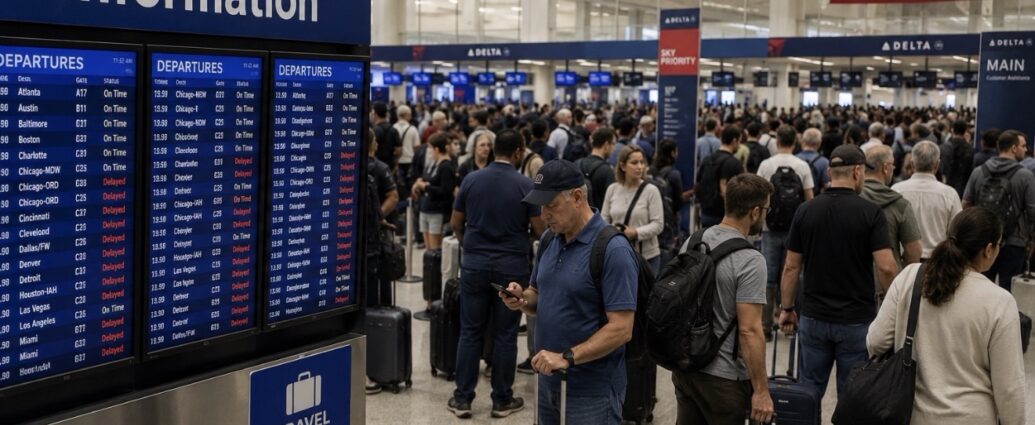
The cost of taking a vacation continues to climb, but airlines say travelers are changing when they fly just as much as where they go. Higher fuel prices, strong demand, and shifting travel habits are producing one of the most expensive summer travel seasons in years while simultaneously reshaping the traditional airline calendar. Carriers are responding by extending popular international routes well beyond the summer months, betting that Americans increasingly prefer traveling during cooler, less crowded shoulder seasons.
According to the Bureau of Labor Statistics, airline fares rose 20.7% over the year through April, part of a broader increase in travel expenses. Travel-booking platform Points Path found domestic airfare up roughly 15% for trips between June and September, while international fares climbed approximately 12%. Rising oil prices following renewed tensions in the Middle East have only added pressure, with jet fuel remaining one of airlines’ largest operating expenses.
“Summer 2026 is shaping up to be one of the pricier travel seasons we’ve seen in recent years,” said Julian Kheel, chief executive of Points Path. Award tickets purchased with airline miles have become more expensive as well, increasing about 18% on domestic routes as demand continues to outpace available seats.
Despite higher prices, airlines report that demand remains exceptionally strong. Delta Air Lines recently posted record quarterly revenue, reflecting travelers’ continued willingness to spend on vacations even as airfare, hotels, rental cars, and dining all become more expensive. Carriers have also increased baggage fees and other ancillary charges, meaning the total cost of a family vacation often extends well beyond the advertised ticket price.
Rather than simply accepting crowded summer schedules, many travelers are choosing to fly during the spring, fall, and even winter months. Airlines have responded by expanding schedules that once ended in late summer. American Airlines now begins New York-to-Edinburgh service in March, United Airlines has extended Newark-to-Palermo flights into December, and Delta Air Lines will continue Minneapolis-to-Rome service into January.
Industry executives say the distinction between peak season and offseason continues to fade.
“We’ve seen this massive creep of the seasons,” said Patrick Quayle, Senior Vice President of Global Network Planning at United Airlines. “The shoulder season is blending into the full season.”
Climate is becoming a major factor. Record-breaking European heat waves, overcrowded tourist destinations, and higher hotel prices have encouraged many travelers to visit in spring or autumn instead of July and August. Flexible work arrangements have also allowed more Americans to travel outside traditional school vacation periods.
Delta President Peter Carter said airlines are even changing maintenance schedules to accommodate the shift.
“We are now doing more maintenance in the summertime because we want to save those planes for the fall,” Carter said, noting the company’s goal is to flatten seasonal demand and generate more consistent revenue throughout the year.
The trend benefits more than airlines. Hotels, restaurants, museums, tour operators, and local businesses all gain when visitors arrive throughout the year instead of overwhelming destinations during only a few peak months. More balanced demand also allows destinations to better manage staffing, transportation, and infrastructure.
Travel experts still see opportunities for bargain hunters. Mid-to-late August typically brings lower domestic fares as summer demand begins easing, while shoulder-season travel during September, October, and early spring often delivers lower prices, smaller crowds, and more comfortable weather. Premium international cabins have also experienced smaller price increases than economy seating, creating unexpected value for some travelers.
The outlook, however, remains tied to energy markets. The International Air Transport Association estimates elevated jet-fuel prices could reduce global airline profits by roughly $100 billion this year if oil remains elevated. Industry leaders acknowledge that sustained fuel costs will almost certainly translate into higher ticket prices.
For travelers, the message is increasingly clear: flexibility has become one of the most valuable ways to save money. As airlines continue rewriting the calendar, Americans willing to travel outside traditional vacation periods may find not only lower fares but a far more enjoyable travel experience.
JBizNews Desk | New York
© JBizNews.com All Rights Reserved. Reproduction or distribution without written permission is prohibited.