WASHINGTON — The U.S. Treasury Department’s Office of Foreign Assets Control records show that Washington revoked its temporary authorization for transactions involving Iranian petroleum on July 7, closing a short sanctions-relief window during which Iran moved roughly 70 million barrels of crude and condensate out of its ports. Tanker-tracking estimates value those shipments at approximately $5 billion to $6 billion, but the cargo value should not be confused with confirmed revenue because some barrels remained in transit, awaited transfers or entered a Chinese market where refiners have been limiting purchases.
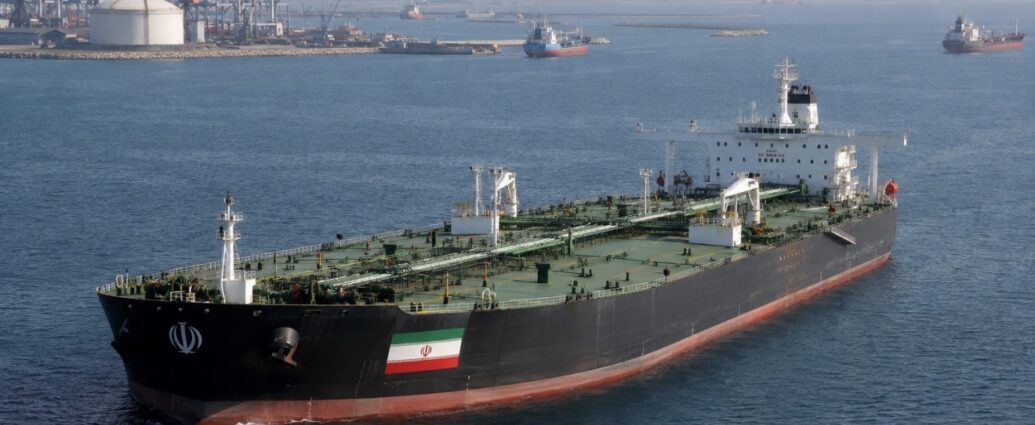
The oil was loaded and dispatched primarily between mid-June and mid-July, after the United States temporarily relaxed restrictions connected to Iranian petroleum exports during its brief truce with Tehran. About 20 Iranian tankers were involved in the accelerated movement, according to shipping analysis published Saturday.
The fleet included vessels identified as the Diona, Hero II, Sonia 1 and Stream, several of which traveled toward the Eastern Outer Port Limits near Malaysia, a major staging area used for ship-to-ship oil transfers. Cargoes moved through that region can be transferred to different vessels, blended with other supplies or carried onward under revised documentation before reaching their final destination.
The principal intended market was China, historically the largest buyer of sanctioned Iranian petroleum. Chinese independent refinineries, often called “teapot” refiners, have provided Tehran with an outlet for crude that larger state-owned companies and international refiners generally avoid because of U.S. sanctions exposure.
The current demand picture, however, is considerably weaker than the headline shipment figure suggests.
Chinese refiners have been operating under pressure from weak domestic fuel demand, poor refining margins, import restrictions and the threat of additional American sanctions. Some buyers have been drawing from inventories or considering competitively priced alternatives rather than immediately absorbing every Iranian cargo offered to them.
That means the movement of as much as $6 billion worth of oil does not establish that Iran collected $6 billion in cash during the truce. The estimate measures the approximate market value of the barrels dispatched. Final proceeds depend on whether the cargoes are sold, their negotiated discounts, delivery costs, payment arrangements and whether buyers accept the sanctions risk.
Iranian oil is frequently sold below international benchmarks because purchasers demand compensation for legal, financial and logistical exposure. Payments may also pass through intermediaries or nontraditional settlement systems, making the timing and total value ultimately received by Tehran difficult to confirm publicly.
China’s state-owned refiners had considered resuming direct purchases during the temporary sanctions opening, but falling domestic demand and competing supplies reduced their urgency. Smaller private refiners also remained cautious after Washington targeted companies and vessels accused of supporting Iran’s petroleum trade.
The hesitation has produced a significant distinction between oil exported from Iran and oil fully delivered to an end buyer. A tanker can depart an Iranian port without its cargo immediately becoming completed revenue. Oil may remain aboard the original vessel, wait offshore, undergo a ship-to-ship transfer or be stored temporarily while traders search for a buyer.
Iran nevertheless used the brief opening to reduce the amount of petroleum trapped inside the country and position millions of barrels closer to Asian customers. Even when a cargo has not yet been discharged, moving it toward regional transfer points gives Tehran greater flexibility to negotiate sales, redirect vessels or wait for market conditions to improve.
The export window ended as the truce deteriorated. The United States revoked the petroleum authorization on July 7, provided wind-down instructions and restored pressure on transactions connected to Iranian crude. Renewed military escalation and the reimposition of restrictions have since sharply reduced commercial movement through the Strait of Hormuz.
Shipping conditions deteriorated further this week. Only three commodity vessels crossed the Strait on Thursday, the lowest daily total since May, as many ships stopped, reversed course or remained outside the waterway following new attacks and renewed U.S. enforcement.
The collapse in traffic has again made Hormuz a central risk to global energy markets. The waterway is not merely an Iranian export route; it carries petroleum and liquefied natural gas produced by several major Gulf suppliers. A prolonged interruption can affect fuel prices, shipping insurance, refinery costs and inflation far beyond the Middle East.
The verified conclusion is narrower than the original claim: Iran rushed an estimated $5 billion to $6 billion worth of petroleum out during the temporary opening, with much of it positioned for the Chinese market. It cannot yet be confirmed that China purchased all of those barrels or that Tehran received the full estimated value. Current evidence shows Chinese buyers are being selective, some refiners are limiting activity and the renewed blockade has again disrupted the path from Iranian ports to completed sales.
JBizNews Desk | Washington
© JBizNews.com All Rights Reserved. Reproduction or distribution without written permission is prohibited.