
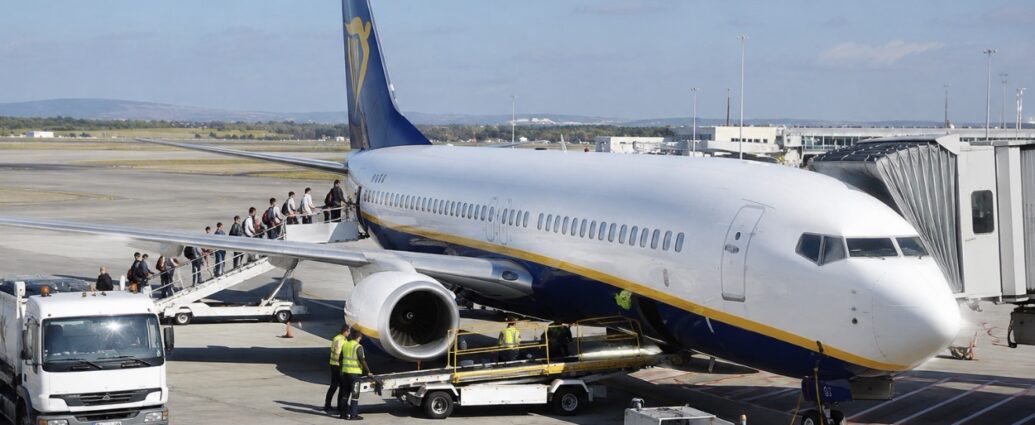
Ryanair reported on Monday, July 20, that first-quarter after-tax profit declined 34% to €538 million from €820 million a year earlier, as lower ticket prices and higher fuel expenses offset another quarter of record passenger growth. The airline carried 61.3 million passengers, a 6% increase from the same period last year, but average fares fell by 6%, pressuring earnings despite continued demand for European travel.
The results underscore a changing environment for Europe’s airline industry. While consumers continue to fly in record numbers, intense competition among low-cost carriers has kept ticket prices under pressure. At the same time, elevated energy prices and higher operating costs have reduced profit margins across the sector, forcing airlines to carefully balance pricing with profitability.
Total quarterly revenue rose modestly to €4.38 billion, supported by increased passenger traffic and continued growth in ancillary revenue from baggage fees, seat selection, onboard sales, and other services. However, operating costs climbed faster than revenue, driven primarily by higher fuel expenses, airport charges, maintenance costs, and inflation across the airline’s network.
Fuel remained one of the largest factors affecting earnings. Although Ryanair continues to hedge much of its fuel exposure, higher prices on unhedged purchases significantly increased costs during the quarter. Continued instability in global energy markets has added uncertainty for airlines worldwide as geopolitical tensions continue to influence oil prices.
Chief Executive Michael O’Leary said summer demand remains healthy, although customers continue to book flights later than in previous years. He noted that fares during the current quarter are still trending slightly below last year’s levels, making it difficult to predict full-year profitability until the peak summer travel season is complete.
Despite the decline in earnings, Ryanair continues to maintain one of the industry’s strongest financial positions. Its low-cost operating model, young fleet, and disciplined expense management have enabled the airline to remain profitable while many competitors continue facing financial pressure. The company also expects additional aircraft deliveries to support future expansion across Europe as manufacturing delays gradually ease.
Industry analysts say the quarter illustrates that passenger demand alone no longer guarantees stronger airline profits. Travelers remain price-sensitive, and carriers have increasingly relied on discounted fares to maintain high load factors. At the same time, rising labor, maintenance, and fuel expenses continue squeezing operating margins throughout the aviation sector.
Looking ahead, Ryanair expects passenger traffic to continue growing during the current fiscal year but declined to issue formal full-year profit guidance, citing uncertainty surrounding airfare trends, fuel costs, geopolitical developments, and broader economic conditions.
For businesses, the report reflects broader trends affecting the travel industry. Airlines continue benefiting from strong leisure travel, but corporate travel remains mixed, while higher operating costs are forcing carriers to pursue additional efficiencies and expand higher-margin ancillary services. Investors will now focus on summer booking trends and fuel prices as key indicators of airline profitability during the remainder of the year.
JBizNews Desk | Dublin
© JBizNews.com All Rights Reserved. Reproduction or distribution without written permission is prohibited.




