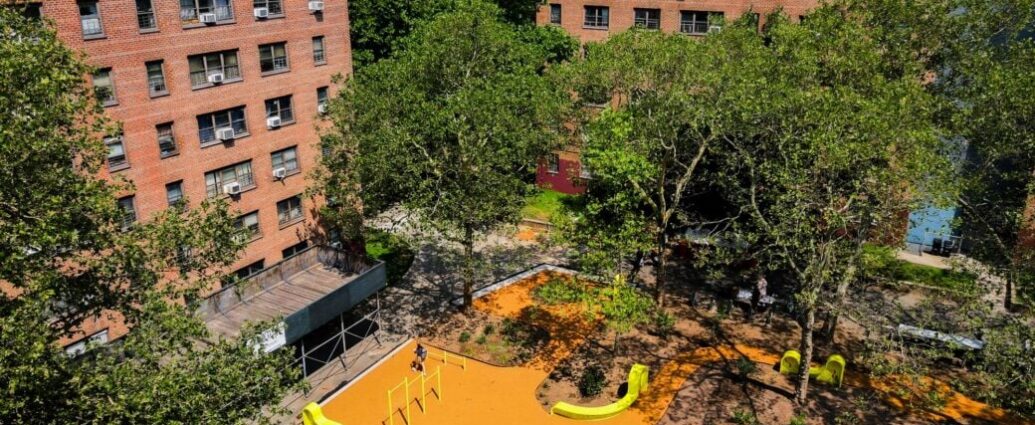
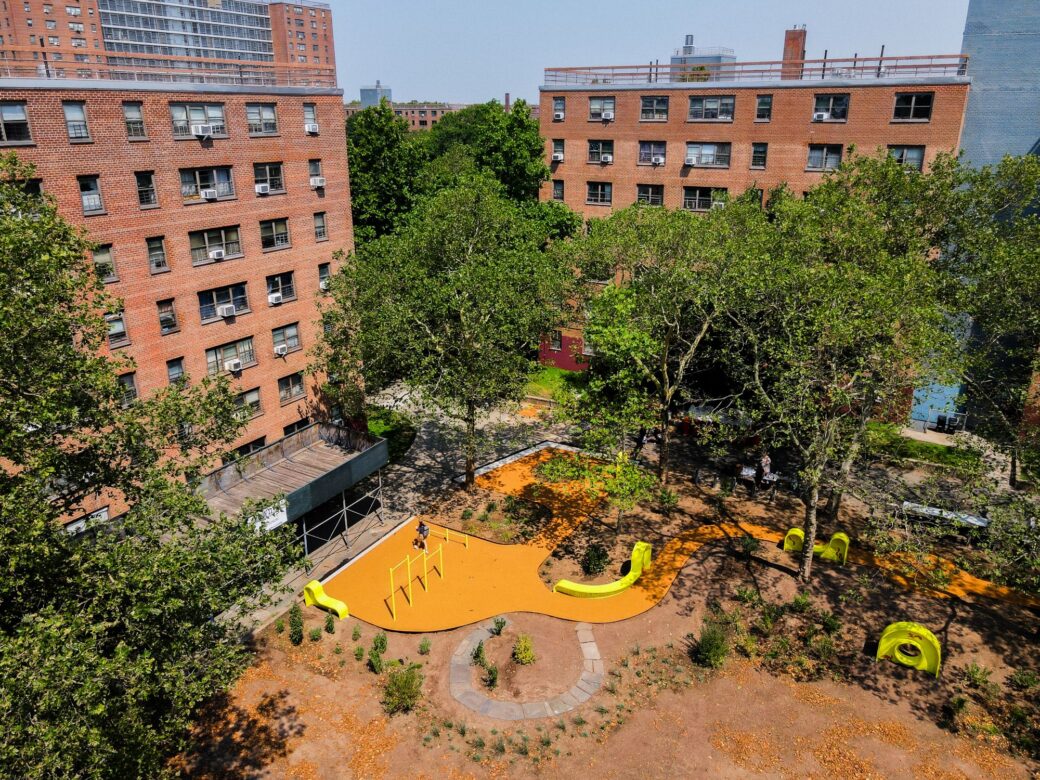
A first-of-its-kind playground, crafted from hundreds of thousands of wine and champagne corks sourced from New York City restaurants, has opened at a public housing complex in Brooklyn. Unveiled last week at Gravesend’s Marlboro Houses, “Village Vibes” delivers custom play features, stormwater mitigation measures, and soft, accessible pathways made from roughly 450,000 recycled corks. The installation is the first initiative from the Cork Collective, which seeks to repurpose the material for civic improvement projects across the country.
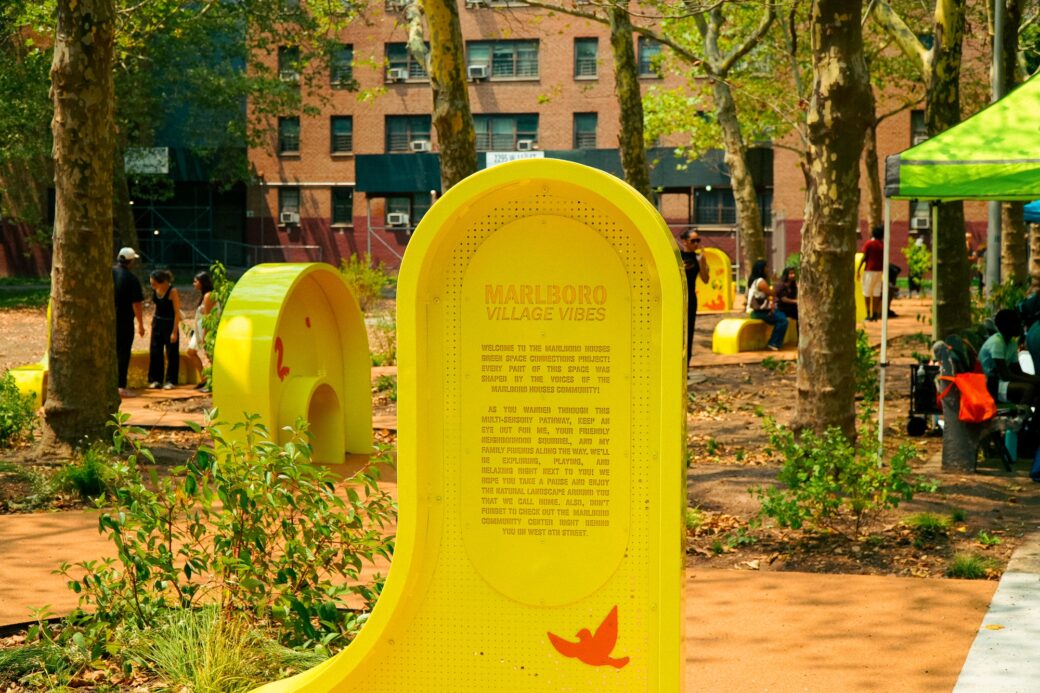
Designed by The Urban Conga and CJI, the renovation of the roughly 7,200-square-foot open space at the NYCHA development is the final project of the second phase of the Public Housing Community Fund’s (PHCF) Green Space Connections, a $3.2 million initiative bringing community-designed open spaces to NYCHA communities.
The project spans two lawn areas on the east and west sides of West 11th Street. One large green space is located on the north side of the property, adjacent to Building 16, while another sits at the lower southeast corner near the resident garden and Building 2.
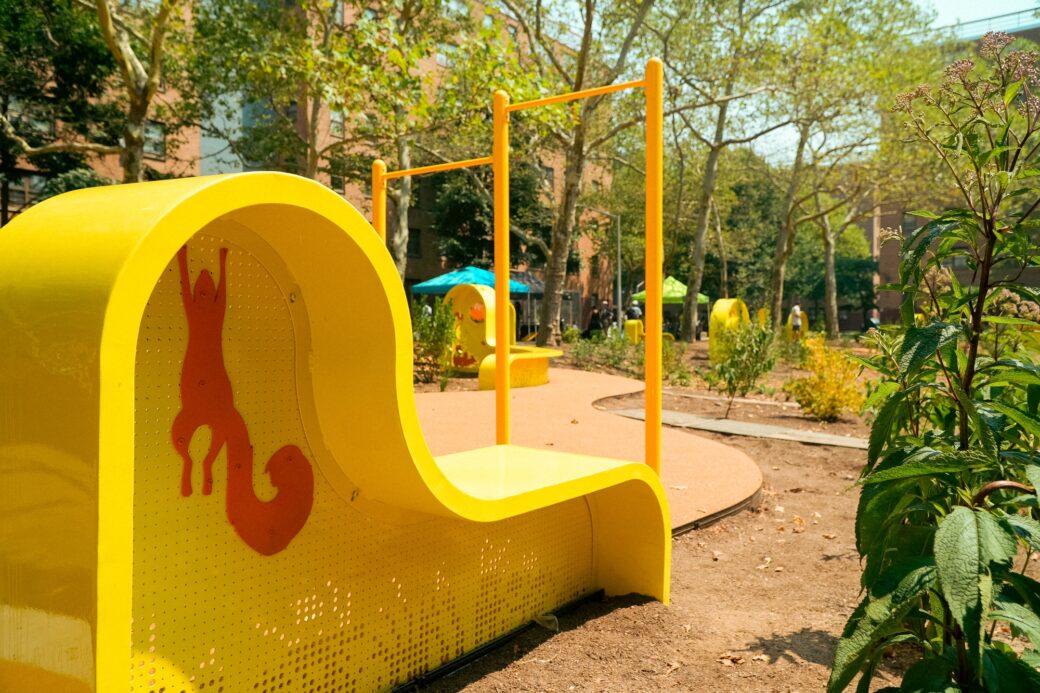
At its core is a winding cork pathway crafted from a sustainable, durable, and highly permeable natural surfacing material that provides a soft, accessible walking surface. The Cork Collective is a joint venture between Rockwell Group, Amorim, and BlueWell.
The Collective acquired the corks from bars, restaurants, hotels, and other partners across the five boroughs before shipping them to a Wisconsin recycling plant, where they were cleaned, ground down, and reformed into building materials, according to the New York Post.
Approximately 13 billion corks are produced worldwide each year, yet less than 1 percent are recycled. In the United States alone, roughly 2.9 billion cork stoppers are thrown away annually.
Using cork for playground surfaces diverts waste from landfills and offers a safer alternative to potentially hazardous plastic materials. Cork surfacing can reduce temperatures by 20 to 30 percent during the summer and is antimicrobial, odorless, and water-permeable, with no chemical runoff.
“When we launched the Cork Collective, our dream was to transform cork stoppers into sustainable, beautiful, durable surfaces for public spaces and activities in New York City,” David Rockwell, founder and president of Rockwell Group, said.
“It’s incredible to see our vision realized at Marlboro Houses. We hope these pathways inspire and support residents as they connect with the outdoors and each other.”
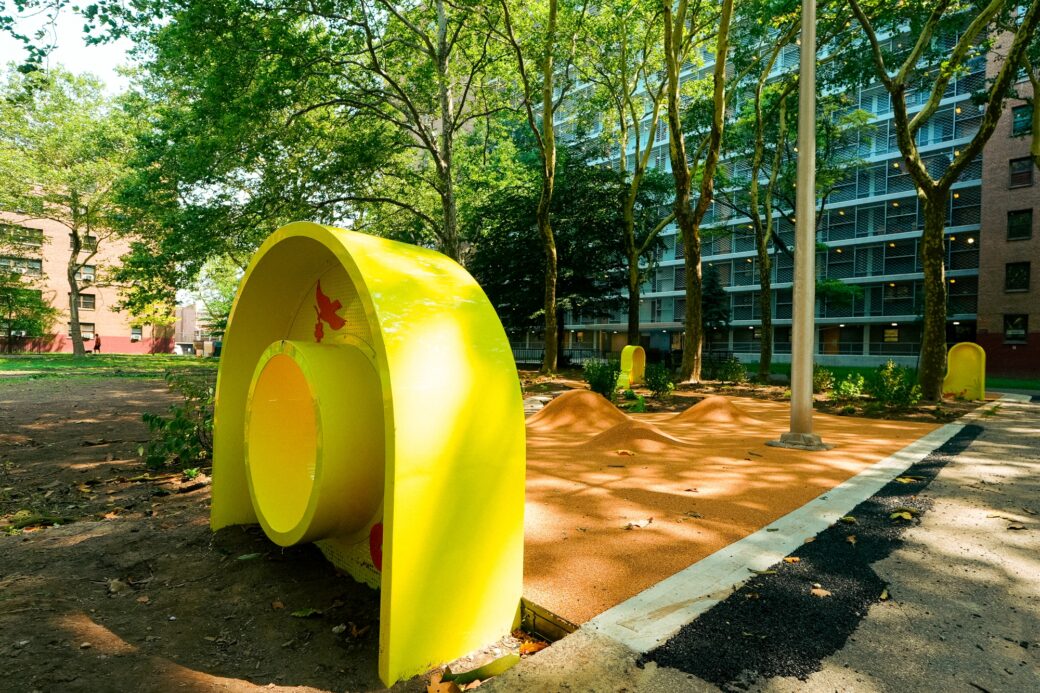
At the Marlboro Houses, the cork pathways now wind through the vibrant public space, complemented by custom-designed sensory structures from Urban Conga. Rather than designing the structures for a single purpose, the firm purposefully crafted them to encourage open-ended interaction, allowing residents of all ages to enjoy the space.
Along the pathway, small rain gardens, pollinator plantings, and ecological landscaping elements, co-designed with Brooklyn-based Field Form, work toward the site’s broader goals of enhancing ecological health and managing stormwater.
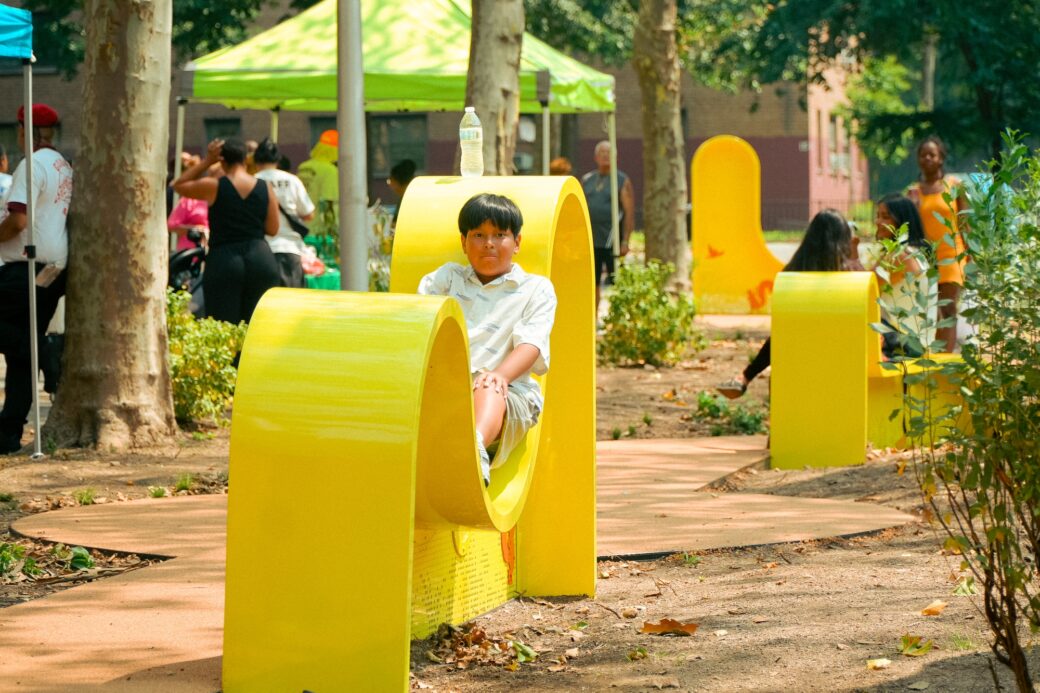
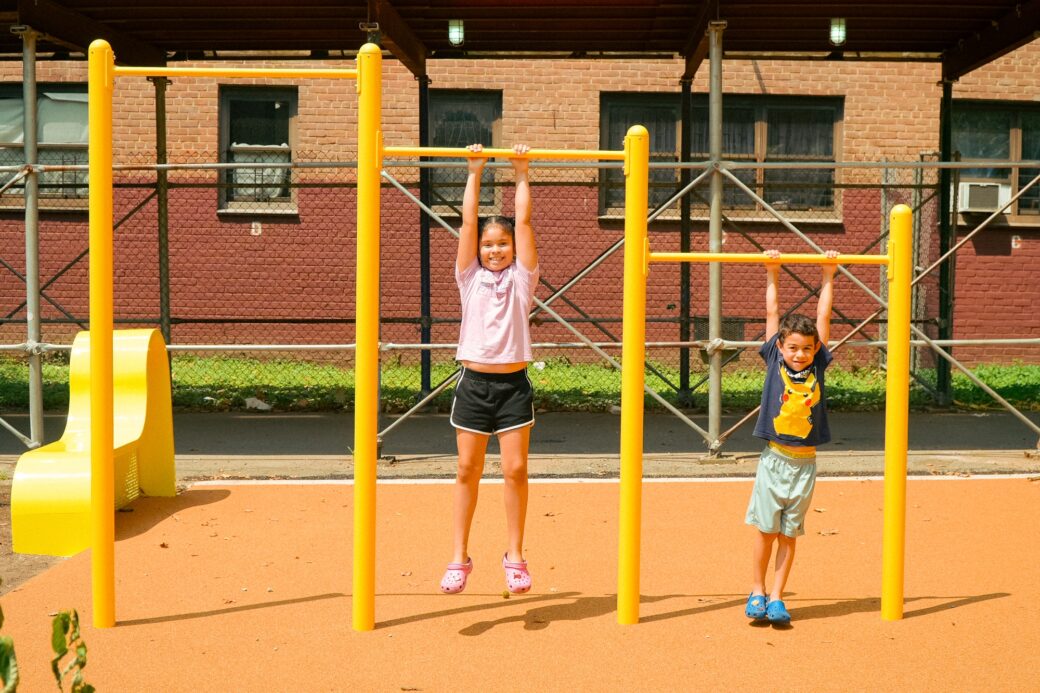
One key theme that emerged was that residents already had meaningful relationships with their local green spaces. Building on that, participatory design was used to ensure that the memories, care, and sense of possibility associated with those spaces would live on in the new design.
“This project delivers a resident-driven, accessible space that weaves green design into every element while creating a safer place for children to play and older adults to enjoy the outdoors,” Alex Zablocki, executive director of PHCF, said.
“The new cork pathway invites residents into a more welcoming environment while showcasing innovative, sustainable materials,” he added. “Through Green Space Connections, resident feedback and priorities shape every stage of the design process, and this project reflects that commitment in every detail.”
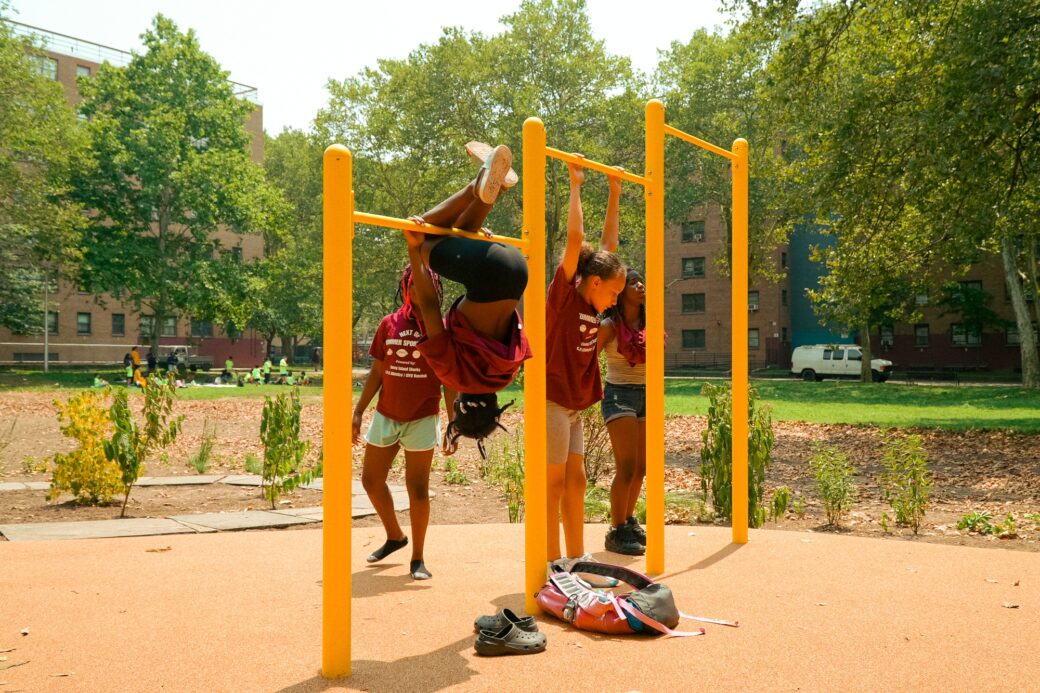
“Village Vibes” is the final of four initiatives completed as part of the second phase of Green Space Connections. Other projects completed through the program include open space investments at the Roosevelt Houses in Brooklyn and the Castle Hill Houses and Patterson Houses in the Bronx.
The next phase of Green Space Connections is slated to launch this summer at Richmond Terrace Houses in Staten Island, Wagner and Vladeck Houses in Manhattan, and Ravenswood Houses in Queens.
The Marlboro Houses are also set to receive a new agricultural education hub designed by Studio Gang, which broke ground in June 2024.
Located on West 11th Street between Avenues W and X, the $18.2 million, 9,900-square-foot facility will feature a rooftop greenhouse for raising fish and plants, a teaching kitchen, a pantry where greens will be grown on-site and distributed to residents, and a multipurpose room for programs and workshops.
RELATED:
- Studio Gang’s agricultural education hub at Gravesend NYCHA complex breaks ground
- NYCHA tenants can voice concerns in new forum series with city officials
- NYC invests nearly $40M to bring clean heat pumps to Rockaways NYCHA complex
The post This Brooklyn playground features paths made of recycled wine corks from NYC restaurants first appeared on 6sqft.