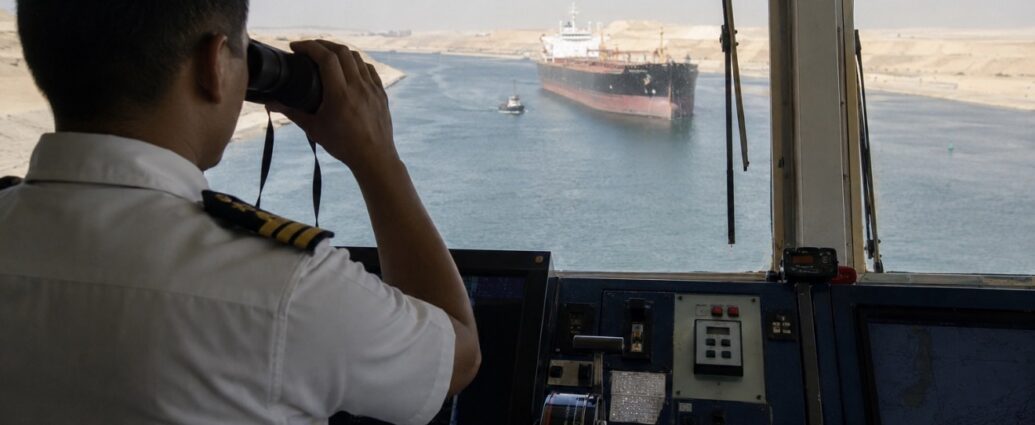
The global shipping industry is offering some of the largest hazard-pay bonuses in recent years as companies struggle to recruit crews willing to transit the Strait of Hormuz, where repeated attacks on commercial vessels have transformed one of the world’s busiest maritime trade routes into one of its most dangerous. The latest development follows India’s July 16 order directing shipowners, ship managers and recruitment agencies to halt the deployment of new Indian seafarers through Hormuz after multiple crew members were killed in recent attacks and security conditions sharply deteriorated.
The growing reluctance of sailors to enter the region is creating a new bottleneck for global trade. While vessel owners can secure ships and cargo, they cannot move them without qualified crews. Shipping executives say bonuses, enhanced insurance coverage, higher salaries, expanded death and disability benefits, and guaranteed repatriation packages are now being offered to convince mariners to accept assignments that many now consider life-threatening.
The labor shortage comes at a critical moment for global energy markets. Approximately one-fifth of the world’s seaborne crude oil and significant volumes of liquefied natural gas normally pass through the Strait of Hormuz, making uninterrupted shipping essential to global fuel supplies. Every delay reduces tanker availability, raises freight costs, and increases transportation expenses that ultimately work their way into gasoline, diesel, heating fuel, manufacturing, airline operations, and consumer prices worldwide.
Industry officials say the risks have escalated beyond what traditional war-risk compensation was designed to address. Missile and drone attacks against commercial shipping have intensified concerns among both crews and operators, while several captains have reportedly refused assignments despite substantial financial incentives. Even vessels participating in protected transit operations have encountered growing hesitation from crews who fear additional attacks could occur with little warning.
India’s directive has particularly significant implications because the country supplies more than 300,000 merchant mariners, making it one of the world’s largest sources of commercial shipping labor. The Directorate General of Shipping instructed that no additional Indian seafarers be deployed on voyages involving the Strait of Hormuz until further notice while requiring ships already operating in the region to maintain heightened security procedures and continuously monitor navigational warnings. Officials cited the deaths of Indian sailors and the rapidly deteriorating security environment as the basis for the emergency order.
For shipping companies, the crisis extends beyond wages. War-risk insurance premiums have climbed sharply, voyage planning has become increasingly complicated, and charter rates remain elevated as available crews become harder to secure. Operators must now balance rising operating expenses against contractual obligations to transport crude oil, refined petroleum products, chemicals, liquefied natural gas, and containerized cargo through one of the world’s most strategically important waterways.
Businesses dependent on international supply chains could also feel the effects. Higher shipping costs typically ripple through manufacturing, wholesale distribution, retail inventories, and consumer pricing. Energy-intensive industries—including airlines, trucking companies, logistics providers, and manufacturers—are particularly exposed to prolonged disruptions in Gulf shipping, while importers may face longer delivery times and increased transportation expenses.
Maritime analysts caution that even if military tensions ease, restoring confidence among seafarers may take considerably longer. Experienced crews remain reluctant to return until commercial vessels can once again navigate the Strait without extraordinary security precautions. Until then, shipping companies are expected to continue relying on unusually generous financial incentives to keep trade flowing through one of the world’s most vital maritime chokepoints.
JBizNews Desk | New York
© JBizNews.com All Rights Reserved. Reproduction or distribution without written permission is prohibited.