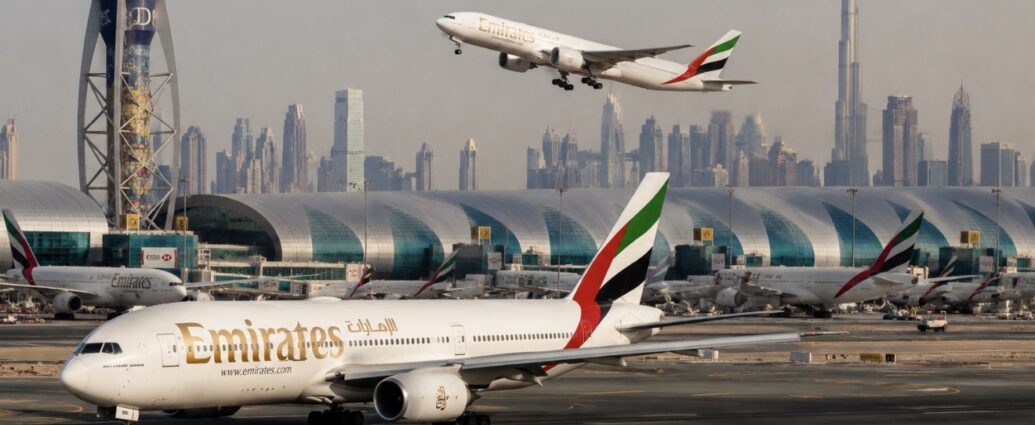
International airlines are extending flight suspensions to Dubai and other Gulf destinations as conflict-related airspace restrictions and insurance concerns continue reshaping one of the world’s busiest aviation markets. The latest guidance from European aviation regulators advising carriers to avoid the airspace over the United Arab Emirates, Bahrain, Kuwait, and Qatar has prompted numerous airlines to push back planned resumptions, allowing Gulf-based carriers to capture a greater share of international passenger traffic.
Several major international airlines—including British Airways, Singapore Airlines, Air Canada, and the Lufthansa Group—have extended cancellations or delayed their return to Dubai through late summer and, in some cases, into October. British Airways has postponed the restart of its Heathrow–Dubai route until late October, with plans to initially operate only one daily flight, significantly below its pre-conflict schedule.
The continuing suspensions have created a widening divide across the aviation industry. While many international carriers remain unable or unwilling to operate through the region, UAE-based airlines have restored much of their network capacity. Emirates, Etihad Airways, flydubai, and Air Arabia continue operating the majority of their schedules, allowing them to absorb additional passenger demand while competitors remain absent from one of the world’s largest international connecting hubs.
The difference extends beyond flight schedules. Gulf carriers have also moved aggressively to reassure travelers by expanding conflict-related travel protection. Emirates introduced enhanced travel coverage that includes medical assistance for certain conflict-related incidents, hotel accommodations during qualifying disruptions, and additional passenger support regardless of government travel advisories. Etihad Airways has similarly expanded complimentary medical travel coverage for eligible passengers, helping restore consumer confidence while many traditional travel insurance policies continue excluding war-related claims.
Insurance has emerged as one of the industry’s biggest obstacles. Since regional hostilities intensified earlier this year, many newly purchased travel insurance policies exclude losses directly related to armed conflict or military activity. The exclusions have discouraged bookings among both leisure and business travelers, forcing airlines to develop their own customer protection programs to stimulate demand.
The financial consequences have been substantial. During the height of the regional disruptions, thousands of flights were canceled or rerouted as airlines adjusted schedules around restricted airspace. Aircraft were repositioned, crews reassigned, and international networks rebuilt almost overnight. While Gulf carriers recovered much of their capacity relatively quickly, foreign airlines continue facing higher operating costs, longer flight paths, and uncertainty surrounding future regulatory restrictions.
The economic impact extends well beyond the aviation industry. Dubai serves as one of the world’s largest international transit hubs, connecting Europe, Asia, Africa, and Australia. Reduced international competition affects tourism, hotel occupancy, cargo shipments, business travel, conference activity, and international trade flows. Companies that rely on frequent travel through the Gulf may continue experiencing higher fares and fewer routing options until additional carriers return.
Industry analysts caution that the currently scheduled autumn restart dates remain tentative. Any further deterioration in regional security could result in additional postponements, extending the revenue advantage enjoyed by Gulf carriers while delaying the recovery of foreign competitors. Even if airspace restrictions ease, airlines will continue evaluating insurance costs, operational risks, and passenger demand before fully restoring service.
For Gulf airlines, however, the disruption has reinforced their strategic importance in global aviation. By maintaining operations while much of the international competition remains sidelined, they have strengthened customer relationships, increased market share, and demonstrated operational resilience during one of the industry’s most challenging periods in recent years.
JBizNews Desk | New York
© JBizNews.com All Rights Reserved. Reproduction or distribution without written permission is prohibited.