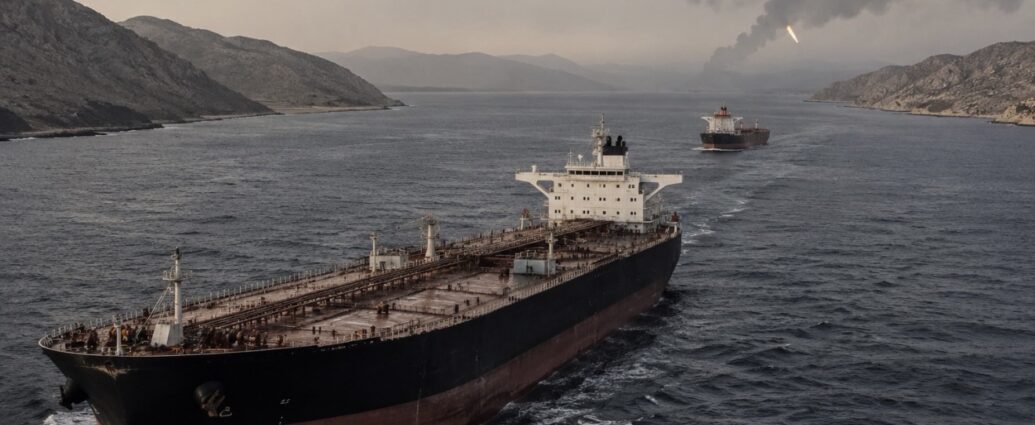
DUBAI — Yemen’s Iran-backed Houthi movement declared an immediate maritime embargo against Saudi Arabia on Monday, July 20, threatening vessels connected to the kingdom and opening a second potential choke point for global energy supplies as exporters are already struggling with disruptions through the Strait of Hormuz. The declaration was issued by the group’s military spokesperson following renewed fighting between Saudi Arabia and the Houthis.
The announcement does not by itself prove that the Houthis can completely block Saudi shipping. However, the threat is significant because Saudi Arabia has increasingly relied on its Red Sea export infrastructure to bypass instability in the Persian Gulf and keep crude flowing to international customers.
Saudi oil can be transported through the kingdom’s East-West pipeline to the Red Sea port of Yanbu, avoiding the Strait of Hormuz. That route has become especially important as conflict involving Iran has reduced normal tanker traffic through the Gulf.
The Houthis’ declaration now places the alternative route under threat.
Any sustained attacks on tankers, export terminals or vessels calling at Saudi ports could force shipping companies to suspend voyages, raise insurance premiums or reroute cargoes around Africa. Even without a successful physical blockade, the possibility of missile and drone attacks can make shipping commercially unviable for some operators.
The Bab el-Mandeb Strait, located between Yemen and the Horn of Africa, connects the Red Sea with the Gulf of Aden and the Arabian Sea. It is the southern gateway for vessels traveling between the Suez Canal and the Indian Ocean.
Approximately 7.4 million barrels a day of petroleum products passed through Bab el-Mandeb in June, equal to roughly 7% of global oil production, according to shipping data cited in current energy-market assessments. That volume had risen sharply as Saudi Arabia and other producers redirected exports away from the Persian Gulf.
The new threat therefore affects more than Saudi Arabia. Tankers carrying crude from Red Sea terminals, refined fuels headed toward Europe and commercial vessels using the Suez Canal could all face higher costs or delays.
The Houthis said the embargo was imposed under the principle of retaliation, accusing Saudi Arabia of maintaining a blockade against Yemen. The declaration follows a breakdown in the informal truce that had largely limited direct hostilities between the two sides for approximately four years.
The latest confrontation began after the Houthis accused Saudi Arabia of striking an airport under their control. Houthi forces subsequently launched missiles toward Saudi territory, while the group’s leader warned that Saudi oil installations and other critical infrastructure would become targets if Riyadh escalated its involvement.
That escalation threatens to pull Saudi Arabia back into a direct conflict it had spent years attempting to contain through negotiations.
For oil markets, the timing is particularly dangerous.
Saudi Arabia is the world’s largest crude exporter and one of the few producers capable of increasing output quickly during an international supply disruption. Its spare production capacity normally serves as a cushion against wars, sanctions and unexpected outages.
That cushion has less value if the kingdom cannot safely transport additional barrels to customers.
A disruption affecting both the Strait of Hormuz and the Bab el-Mandeb Strait would place pressure on two of the world’s most important energy corridors simultaneously. The threat could leave producers with oil available inside the region but limited safe routes for delivering it to global markets.
Higher security risks are already changing shipping economics. Tanker owners may demand substantial premiums before agreeing to enter threatened waters. Insurers can raise war-risk coverage rates with little notice, while crews may require danger pay to sail through areas vulnerable to missiles, drones or boarding attempts.
Those costs ultimately move through the supply chain.
Refiners pay more to secure crude. Airlines face higher fuel expenses. Trucking and delivery companies spend more on diesel. Manufacturers pay more to transport components and finished goods. Consumers eventually see the pressure in gasoline prices, airline fares, shipping charges and retail prices.
The Houthis previously demonstrated their ability to disrupt Red Sea commerce during a campaign of attacks on international shipping. Those strikes prompted major container carriers and tanker operators to avoid the Suez route and sail around the Cape of Good Hope, adding thousands of miles and substantial fuel costs to voyages between Asia and Europe.
A renewed campaign directed specifically at Saudi Arabia could be even more disruptive because it would target the infrastructure currently helping compensate for reduced Gulf exports.
The immediate question is whether the declaration will be followed by attacks against Saudi-linked commercial vessels or whether it is intended primarily as political and economic pressure.
Shipping companies are likely to respond cautiously. Operators do not need to wait for a vessel to be struck before changing routes. A credible warning from a group with a demonstrated missile and drone capability can be enough to delay departures, cancel charters or require naval protection.
Saudi Arabia must now decide whether to confront the Houthis militarily, seek outside naval assistance or attempt to restore the truce through diplomacy. Any Saudi retaliation could invite further attacks against oil terminals, pipelines, airports and power infrastructure.
For Washington and other major economies, the embargo adds urgency to efforts to protect navigation through the Red Sea. A prolonged disruption could deepen the global energy shortage, raise inflation expectations and complicate decisions by central banks already weighing whether interest rates can safely be lowered.
The threat also strengthens Iran’s ability to pressure international markets through allied armed groups operating beyond its borders. With Iran exerting pressure around Hormuz and the Houthis threatening Saudi access to the Red Sea, the region’s oil-export network is becoming increasingly exposed on both sides of the Arabian Peninsula.
Markets will now watch for evidence that the Houthis are attempting to enforce the embargo, including attacks on vessels, warnings identifying specific ships, disruptions near Yanbu or changes in tanker traffic through Bab el-Mandeb.
Until then, the declaration remains a threat rather than a fully enforced blockade. But in an oil market already operating with fewer secure routes, the announcement alone is enough to raise the cost of moving energy and increase the risk of another sharp rise in global prices.
JBizNews Desk | Dubai
© JBizNews.com All Rights Reserved. Reproduction or distribution without written permission is prohibited.