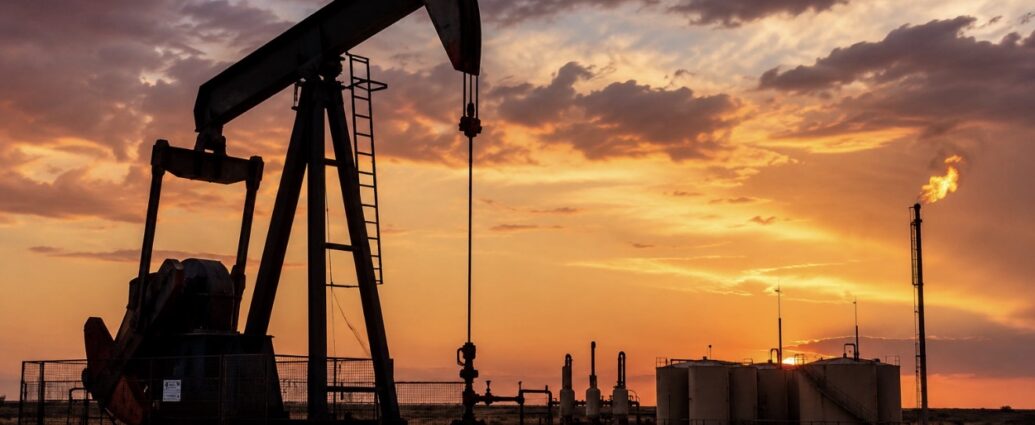
West Texas producers are pumping record amounts of crude, but the natural gas that comes with it is overwhelming the region’s pipeline network.
NEW YORK — Tuesday, July 21, 2026 — The latest production forecasts from the U.S. Energy Information Administration, together with pipeline expansion updates released this week, highlight a growing paradox in America’s largest oil field: West Texas producers are pumping more crude than ever while struggling to find profitable markets for the natural gas that comes with it.
The contradiction reflects the economics of the Permian Basin. Oil remains the prize, generating the vast majority of revenue for producers. But every barrel of crude also brings associated natural gas to the surface. Companies cannot simply produce one without the other, leaving the region awash in gas even as demand struggles to keep pace.
That imbalance has repeatedly driven prices at the Waha Hub, the Permian’s regional natural gas benchmark, below zero this year. In those moments, some producers have effectively paid buyers to take excess gas because shutting in profitable oil wells would cost far more than disposing of the unwanted fuel.
The industry’s focus has shifted to infrastructure. Pipeline operators have added capacity this summer, and several larger projects remain on schedule to begin service later this year. Those expansions are expected to move billions of additional cubic feet of natural gas each day from West Texas to Gulf Coast export terminals, power plants and industrial customers.
Even that may not be enough.
Strong crude prices continue encouraging producers to drill new wells, particularly as global energy markets remain sensitive to geopolitical tensions. Every additional well increases oil production while adding still more natural gas to a transportation system that has spent years trying to catch up.
The next generation of pipelines is being built for a changing energy economy. Beyond supplying liquefied natural gas export facilities, developers increasingly expect new capacity to serve rapidly growing electricity demand from manufacturers, population growth and artificial intelligence data centers, all of which require dependable, around-the-clock power that natural gas can provide.
Whether the market finally reaches balance depends on which moves faster: drilling or infrastructure. If production continues to outpace pipeline construction, West Texas could remain caught in the unusual position of producing one of the world’s most valuable commodities alongside another that periodically struggles to find a profitable route to market.
For investors, utilities and manufacturers, the outcome extends well beyond the oil patch. Natural gas prices influence electricity costs, industrial competitiveness and future energy investment across the United States, making the Permian’s infrastructure race one of the most closely watched stories in the energy sector.
JBizNews Desk | Wall Street
© JBizNews.com. All Rights Reserved. Reproduction or distribution without written permission is prohibited.