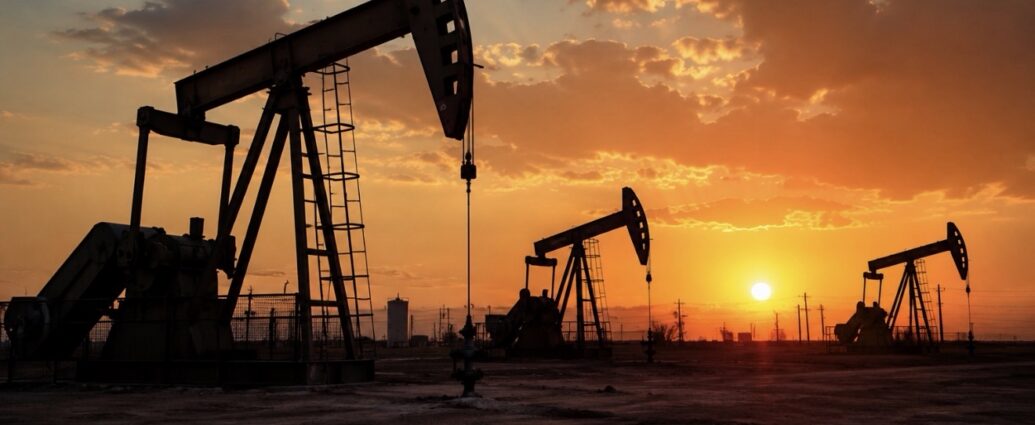
NEW YORK — Global oil prices surged Wednesday to their highest levels in six weeks after renewed military developments involving Iran heightened concerns about potential disruptions to energy supplies and key shipping routes through the Middle East. Brent crude settled at $94.07 per barrel, while U.S. West Texas Intermediate crude closed at $86.83, reflecting growing geopolitical risk premiums in global energy markets.
The gains followed another round of military activity involving the United States and Iran, as investors weighed the possibility that escalating tensions could affect oil shipments through the Strait of Hormuz, a strategic waterway that carries roughly one-fifth of the world’s seaborne crude exports. While no major supply interruption has occurred, traders moved quickly to price in the increased risk.
For consumers, the immediate concern is gasoline. Although prices at the pump typically lag movements in crude oil by several days or weeks, sustained increases in global oil prices often translate into higher fuel costs. Any prolonged rally could place additional pressure on household budgets during the busy summer travel season.
Businesses across multiple industries are also watching energy markets closely. Airlines face higher jet fuel expenses, trucking companies absorb rising diesel costs, manufacturers encounter increased transportation expenses, and retailers often see higher freight costs that can eventually affect consumer prices.
The rise in oil prices also presents another challenge for central banks. Energy remains one of the most significant drivers of inflation, and a prolonged increase in crude prices could complicate efforts to keep inflation under control while policymakers continue evaluating future interest-rate decisions.
Financial markets reacted cautiously as investors balanced geopolitical risks against broader economic fundamentals. Analysts noted that recent price movements have been driven less by current supply shortages and more by uncertainty surrounding future disruptions if regional tensions continue to escalate.
Market participants will continue monitoring developments in the Middle East, shipping activity through key maritime corridors and weekly U.S. petroleum inventory data for signs of whether crude prices stabilize or continue moving higher in the coming days.
Higher energy prices often ripple throughout the broader economy, affecting transportation, manufacturing, agriculture and consumer goods. For business owners, investors and consumers alike, the direction of oil prices remains one of the most closely watched indicators heading into the second half of the year.
JBizNews Desk | New York
© JBizNews.com. All Rights Reserved. Reproduction or distribution without written permission is prohibited.