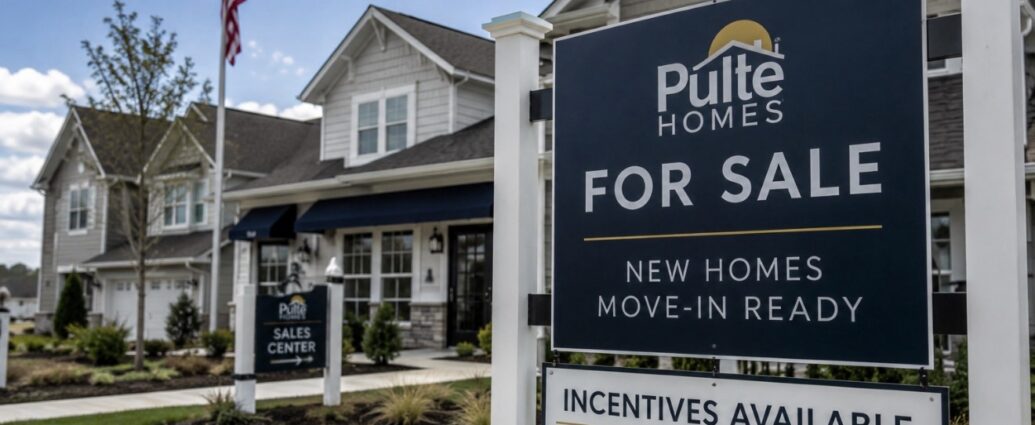
NEW YORK — PulteGroup, one of the nation’s largest U.S. homebuilders, reported lower second-quarter earnings Wednesday, saying elevated mortgage rates and persistent affordability challenges continued to pressure home sales despite increased incentives offered to buyers. The results, released in the company’s quarterly earnings report, provide another snapshot of the ongoing slowdown in the U.S. housing market.
PulteGroup said higher financing costs remain the primary obstacle for many prospective homebuyers, prompting the company to expand mortgage-rate buydowns, closing-cost assistance and other financial incentives to help offset borrowing costs rather than broadly lowering home prices.
The builder noted that demand for new homes remains healthy in many markets, but affordability has become the deciding factor for many families. Mortgage rates that remain well above the historically low levels seen earlier this decade continue to reduce purchasing power and discourage many existing homeowners from selling properties financed with lower-rate mortgages.
The affordability challenge extends well beyond the housing industry. Slower home sales affect mortgage lenders, furniture retailers, appliance manufacturers, home improvement suppliers, moving companies and countless small businesses tied to residential real estate.
While builders continue adjusting incentives to maintain sales volumes, many are avoiding widespread price reductions, believing that preserving pricing discipline will position them better if interest rates decline and demand strengthens in the months ahead.
Housing economists continue viewing residential real estate as one of the most important indicators of overall economic health. The sector influences employment, consumer spending, manufacturing activity and financial services, making every earnings report from major homebuilders closely watched by investors and policymakers.
For consumers, affordability remains the central issue. Although incentives can reduce monthly payments, higher mortgage rates continue to make homeownership significantly more expensive than it was just a few years ago. Many first-time buyers remain priced out of the market, while existing homeowners are delaying moves rather than giving up historically low mortgage rates.
Investors will now look toward upcoming housing starts, existing-home sales, mortgage application data and future Federal Reserve policy decisions for indications of whether borrowing costs and affordability conditions may begin improving later this year.
JBizNews Desk | New York
© JBizNews.com. All Rights Reserved. Reproduction or distribution without written permission is prohibited.